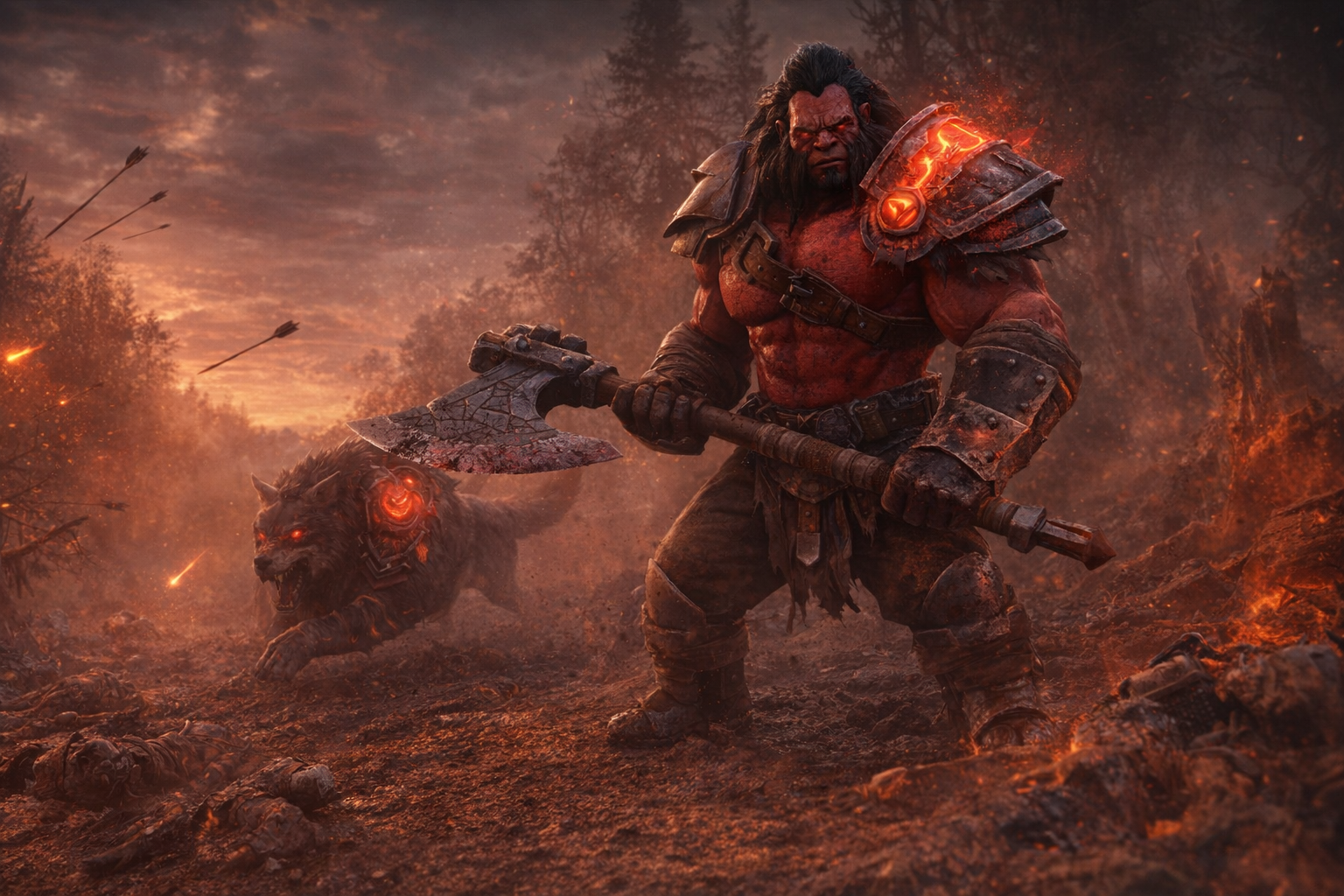
Why Helm of the Dominator Axe Actually Makes Sense
Why is Axe buying Helm of the Dominator instead of rushing the classic Blink plus Blade Mail package?
You queue offlane, walk into lane, and immediately remember why this role has become a form of unpaid labor. The enemy carry is ranged, the support is sitting in the trees with some disgusting spell range, and every creep you try to secure costs half your HP. You hit level 3 and feel powerful for about six seconds, then the lane equilibrium breaks and suddenly you’re farming scraps under vision while your support is already thinking about the rune. That is the doorway into Helm of the Dominator Axe.
For years, Axe itemization has been one of the easiest scripts in Dota to understand: survive lane, get Vanguard or lane sustain depending on the patch, buy Blink, buy Blade Mail, find a core, press Call, watch them regret playing the game. Helm of the Dominator messes with that muscle memory. It asks you to delay the simple violence and play the map with an extra unit.
That sounds fake until you see what the item actually solves.
Axe Has a Lane Problem Before He Has a Fight Problem
Axe wants to stand in creeps. He wants the enemy carry to care about last hits more than personal safety. He wants supports to panic-cast spells into him while Counter Helix quietly turns the lane into a meat grinder.
Modern offlaning often denies him that fantasy. Ranged carries, strong lane supports, high-damage harassment, and constant creep-wave manipulation make the old “walk at them until they break” plan much harder. Axe can still win lanes, but he has far more games where he gets forced into a recovery pattern before he has the items to threaten kills.
That’s where Helm starts to look less like a meme and more like a workaround. You get an early item that helps you stay on the map, gives you a dominated creep, and lets you generate value away from your actual hero. The important part is that Axe himself can be pressured, zoned, or forced to show on waves. The creep can keep working anyway.
Blade Mail gives Axe a kill threat. Helm gives Axe a second pair of hands.
The Dominated Creep Is the Item
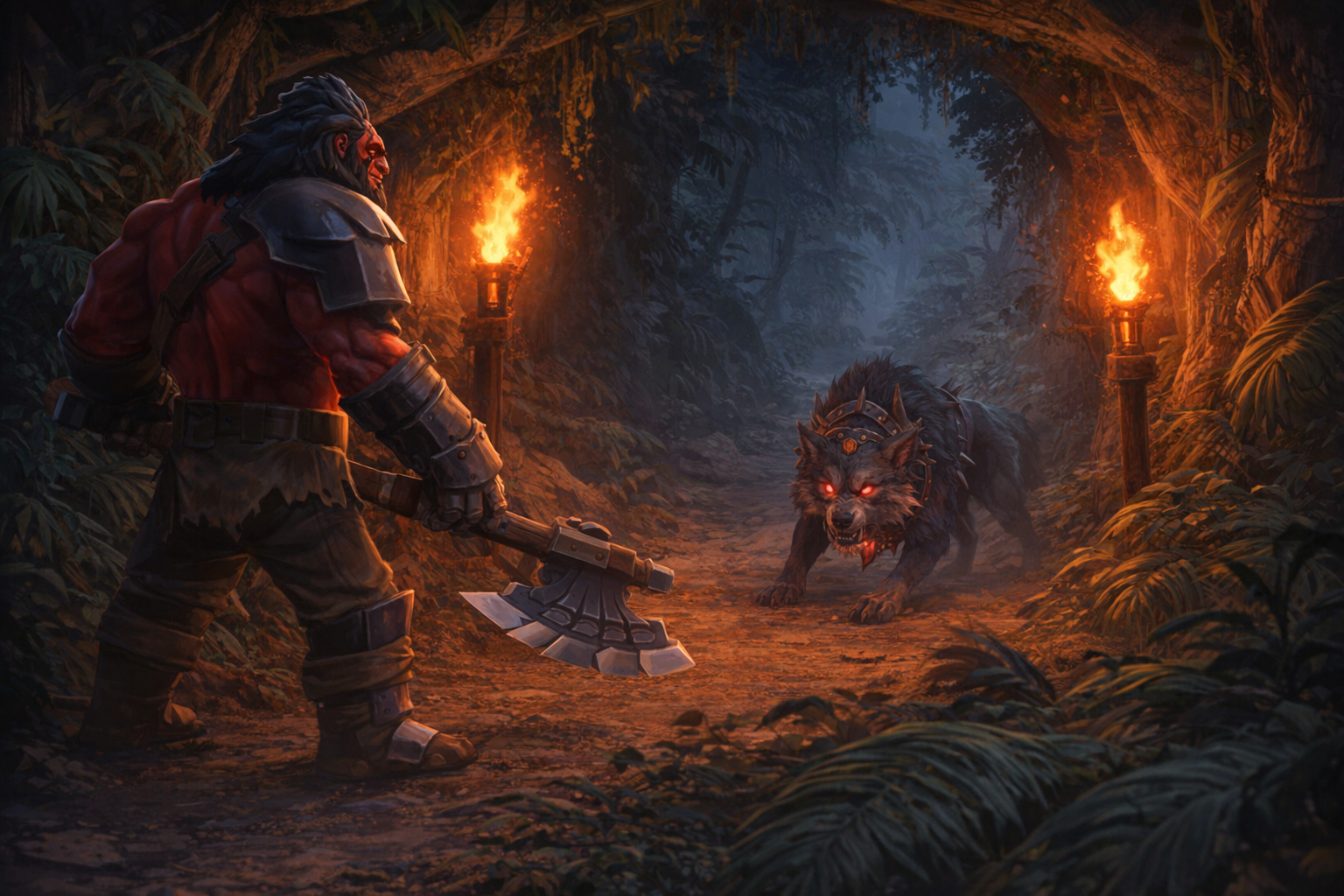
The biggest mistake with Helm Axe is treating the dominated creep like a disposable lane-pusher. If you send it down a lane on autopilot, yes, it dies. Enemy heroes kill it, towers chew through it, and you feel like you paid gold for a creep-shaped donation.
The creep’s value comes from jobs Axe does poorly or dangerously.
A dominated creep can stack camps while Axe farms somewhere else. It can block an enemy camp without your hero walking into a warded death pocket. It can drag waves, scout rotations, help secure dangerous farm, or sit near a fight with an aura creep that actually matters. It can also force small reactions. A support walking over to kill your creep is a support showing on the map, spending time, and revealing intention.
That last part matters more than pub players tend to admit. Dota is full of tiny taxes. If your Helm creep makes the enemy deal with something awkward while your Axe farms toward Blink, that creep did its job.
Stacking Is the Boring Part That Wins Games
Axe clears stacked camps well once he has enough durability. Ancient stacks are especially valuable when your lane has gone sideways and standing in front of enemy heroes is no longer legal. Sending a dominated creep to create stacks while Axe catches a lane or jungles nearby lets you compress your recovery window.
This is one reason high-level players value the item. They squeeze the map harder. The creep is stacking, Axe is farming, the support is free to play elsewhere, and suddenly the offlaner who looked bullied at minute six has a real item progression again.
In pubs, that same principle applies, just with fewer moving parts. If you can reliably stack one camp every minute while continuing to farm, Helm is already paying you back in tempo. You don’t need cinematic micro. You need basic discipline.
Wave Pulling Is Where It Gets Nasty
The creep can also manipulate lanes in ways Axe would love to do but often can’t safely do with his hero. Pulling waves from behind towers, dragging them toward a safer area, or cutting a wave at the right moment can completely change the rhythm of a dead lane.
Axe has always liked creep cutting when the game allows it. Helm expands that idea. The dominated creep can touch waves in dangerous zones while Axe avoids showing. If the enemy reacts, you learn where they are. If they don’t, the lane state gets weird in your favor.
This is especially useful when the safelane tier-one area becomes hostile. A normal Axe walking there risks getting collapsed on. A dominated creep walking there creates pressure at a fraction of the cost.
Blade Mail Still Has a Job
The whole debate exists because Blade Mail is one of Axe’s most iconic items for a reason. Berserker’s Call forces attacks. Blade Mail punishes damage. Blink lets Axe choose when that exchange starts. Against the right heroes, that timing is brutal.
If the enemy lineup has cores that hate being forced to hit Axe during their damage window, Blade Mail remains a clean answer. If your team needs one decisive jump to start every fight, delaying the Blink plus Blade Mail threat can make the game feel strangely toothless. Axe without initiation is often just a bulky guy arriving late and yelling at people who have already used their spells.
Helm shines when Blade Mail’s return damage will have low impact or when the lane state demands acceleration more than immediate punishment. Some games, enemy heroes deal damage in ways that don’t care much about Blade Mail timing. Some games, the enemy carry is happy to disengage until your Call ends. Some games, your team already has initiation and Axe’s job is to become a huge midgame body rather than the only button that starts combat.
That is the decision point. Helm asks: can you use the map better for the next several minutes than you could use a fast Blade Mail kill threat?
If the answer is yes, the item has a real place.
The Timing Trade Is Everything
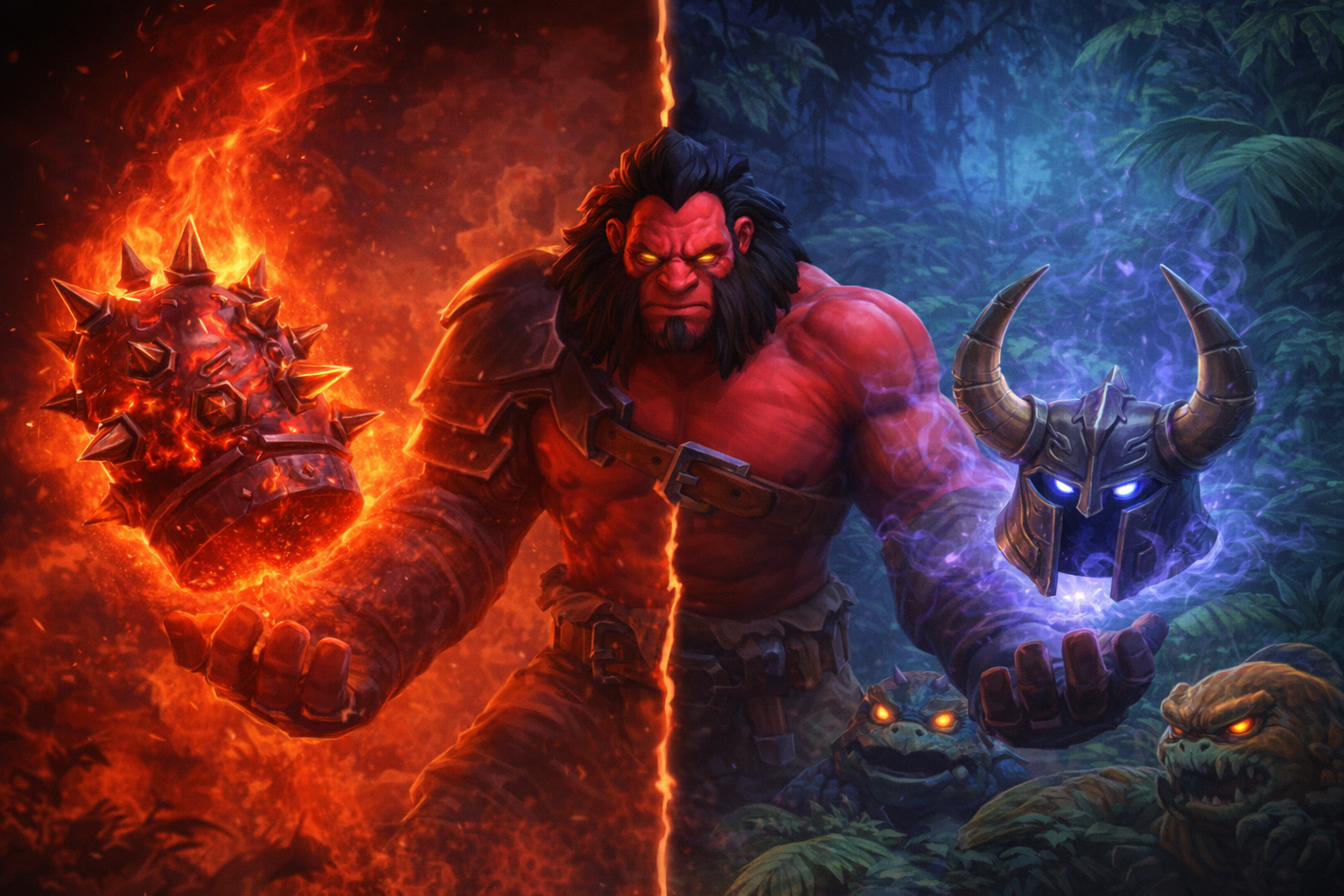
Axe item builds are timing builds. Blink changes your hero. Blade Mail changes who is allowed to stand near you. Defensive items change whether you live after Call ends. Every detour has a cost.
Helm’s argument is that the detour can pay for itself through safer farm and map impact. That payoff depends on execution. If you buy Helm, dominate a random creep, forget about it, and then wonder why your Blink is late, the item betrayed nobody. You just bought a micro test and left the paper blank.
The clean Helm game usually has one of these conditions:
- Your lane went well enough that you can pressure early and keep scaling.
- Your lane went badly enough that a direct Blink rush feels miserable, but you still have access to jungle recovery.
- Blade Mail has limited kill value against the enemy cores.
- Your team can function for a few minutes without Axe instantly forcing fights.
- You’re willing to actually use the dominated creep every minute.
That last condition is the pub filter. Helm is powerful because it creates extra decisions. Extra decisions also create extra ways to grief your own timing.
What Creep Do You Want?
You don’t need to turn this into a zoo-management thesis. Start simple.
Aura creeps are easy value. If you can get a creep that improves your team’s damage in fights, park it safely near engagements and stop feeding it before the fight starts. Keep it behind your hero, not in front of five enemy spells. The aura matters only if the creep survives long enough to provide it.
Stun or disable creeps can help with pickoffs, but they require more attention. If your micro is shaky, don’t build your whole plan around landing a neutral creep spell during a chaotic Blink Call. Use the creep for stacking, scouting, and lane manipulation until controlling it becomes natural.
Tanky creeps are useful for dragging waves and surviving incidental damage. Sometimes the best dominated creep is simply the one that lives long enough to complete the job.
The trap is obsessing over the perfect creep while missing stack timings and lane opportunities. A decent creep used constantly beats the ideal creep sitting AFK behind your tier-two.
How Helm Changes Axe’s Map Presence
A normal Axe pressures one place at a time. Helm Axe can threaten one area with his hero while poking another with the creep. That matters because Axe’s actual hero often has to be careful before Blink. Showing in the wrong lane invites smoke rotations, support chains, and that familiar offlane experience of dying once and losing the next two minutes.
The dominated creep gives information without risking your streak. Send it through a suspicious path before you farm a dangerous camp. Place it near an enemy jungle entrance to watch movement. Use it to see whether heroes are rotating toward your tower. Dota players spend thousands of gold on information through wards, smokes, and sentries; a controllable creep giving a glimpse of movement has real value.
There is also tower pressure. Axe traditionally threatens towers indirectly by winning fights or cutting waves. Helm gives him a unit that can help convert lane control into objective pressure earlier. You still need creeps. You still need heroes nearby. The item simply makes the push less dependent on Axe standing in the most obvious place on the map.
Why Pros Make It Look Broken
Professional offlaners and high-MMR specialists squeeze ridiculous value out of small windows. Their dominated creep is stacking while they trade. It is pulling a wave at the exact moment the enemy support wants to rotate. It is blocking a camp the carry planned to farm. It is scouting a smoke path before the ward even sees the hero.
That level of usage makes Helm look universally correct. In coordinated games, the item becomes a tempo engine. The team understands why Axe delayed a more obvious fighting item. Supports adjust. Cores play around the lane pressure. The dominated creep becomes part of the team’s map plan rather than one guy’s pet project.
Pub games are messier. Your mid may ping your missing Blink. Your carry may take the stacks your creep made. Your support may have no interest in playing around your wave drag. That doesn’t kill the item, but it changes the burden. You need to generate value that survives pub chaos.
The easiest version is this: stack for yourself, keep lanes shoved without dying, scout before walking uphill, and arrive at your Blink timing with more farm than a standard losing-lane Axe would have.
When You Should Buy It in Pubs
Helm is most appealing when your Blade Mail timing lacks teeth. If the enemy cores are durable, evasive, or happy to kite you after Call, rushing Blade Mail can feel underwhelming. Helm lets you pivot toward economy and map pressure while still building toward the Axe items that matter later.
It also fits games where your team has enough early fight without you. If your mid and supports can make moves, Axe can use Helm to accelerate instead of forcing a low-percentage Blink reveal. By the time larger fights break out, you arrive with better levels and a stronger item base.
It can be strong after a good lane too. This part gets underrated. Helm from a winning position lets Axe keep the enemy side of the map uncomfortable. You stack your own resources, shove waves, and make the enemy carry’s recovery less clean. A winning offlaner with a dominated creep can become deeply annoying in a way raw Blade Mail damage doesn’t replicate.
When You Should Skip It
Skip Helm when your team desperately needs fast initiation. Axe is often drafted because Blink Call solves problems. If nobody else can start fights, delaying Blink can give the enemy too much room.
Skip it when Blade Mail clearly ruins the enemy’s preferred damage pattern. Some heroes hate being forced into a bad damage exchange during Berserker’s Call. If you can reliably turn their aggression into their own death, take the simple route.
Skip it if your micro is going to collapse. There’s no shame in being honest about that. Dota already asks you to watch the minimap, track spells, manage creep waves, count enemy heroes, and avoid your carry’s emotional breakdown. Adding a second unit is a real tax. If the creep will sit idle for five minutes, buy the item your hands can use.
The Practical Pub Playbook
Buy Helm with a plan before it arrives. Don’t finish the item and then start thinking about what a dominated creep does.
Once you have it, dominate a useful creep and immediately assign it a job. Stack the nearest valuable camp. Scout the path you want to farm. Drag a dangerous wave. If you win a fight, use the creep to help pressure the next objective. If the map is dark, send the creep first.
Keep the creep away from meaningless deaths. Feeding it down mid because you were shopping is sloppy. Walking it into the enemy team before a fight begins is worse. Treat it like a cooldown with legs. Every time it dies for nothing, your item loses part of its advantage.
Use control groups. Even basic ones. Axe on one key, dominated creep on another, both together on a third if you like. You don’t need StarCraft hands; you need enough control to stack, move, and retreat without selecting the wrong unit during a fight.
The real breakthrough comes when the creep becomes part of your rhythm. Farm a camp with Axe while the creep moves to stack another. Push a lane with Axe while the creep watches the river. Cut a wave with the creep while Axe stays off vision. These patterns turn Helm from a strange purchase into a map-control item.
Helm Axe Rewards the Offlaner Who Refuses to Be Poor
Axe has always been about forcing enemies into bad choices. Helm of the Dominator adds a different kind of pressure. Instead of relying purely on the first Blink reveal, you tax the map before the fight starts. You farm when the lane is hostile, you create information when wards are limited, and you keep the enemy responding to a unit that costs less than your hero’s life.
Blade Mail Axe will always have games where it feels perfect. Blink in, Call the damage dealer, pop the jacket, collect the dunk. Clean Dota.
Helm Axe is messier and more demanding. It asks you to think like an offlaner who wants control before combat. If you can use the creep with intent, the item gives Axe a way to survive bad lanes, snowball good ones, and reach his real timings without begging the map for permission.
If you can’t, buy Blade Mail and hit your buttons. Dota has enough ways to lose without adding an idle wolf to the list.