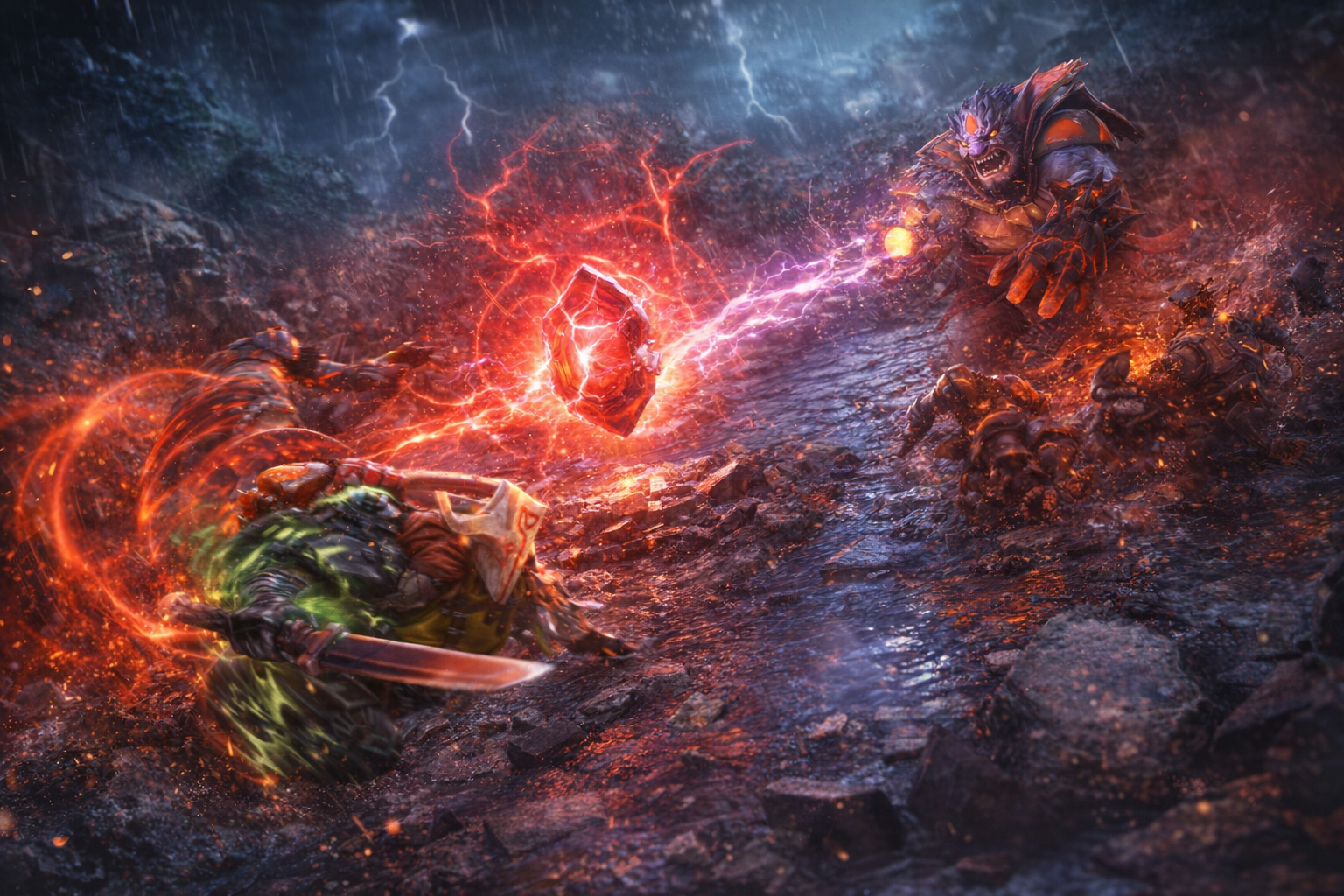
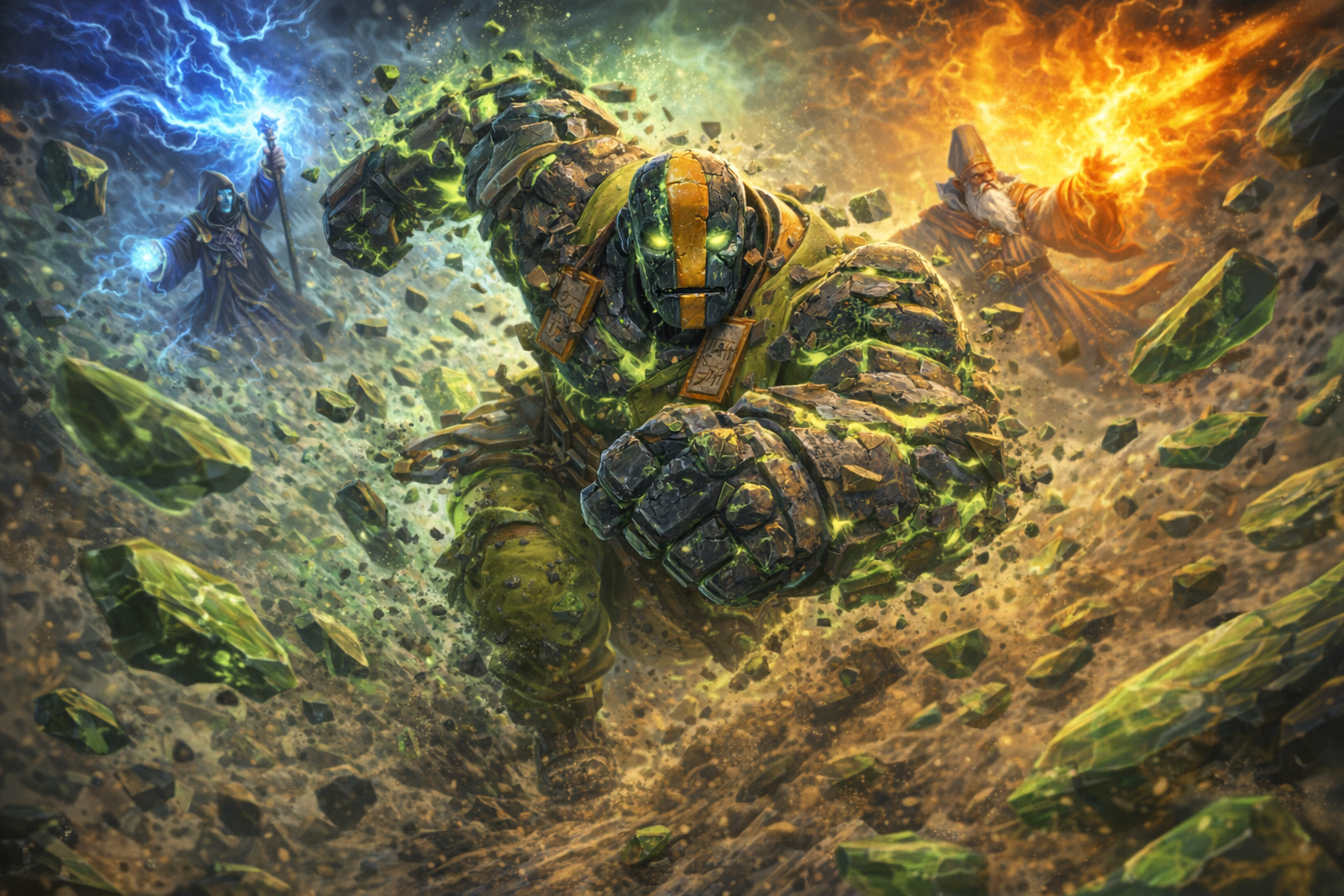
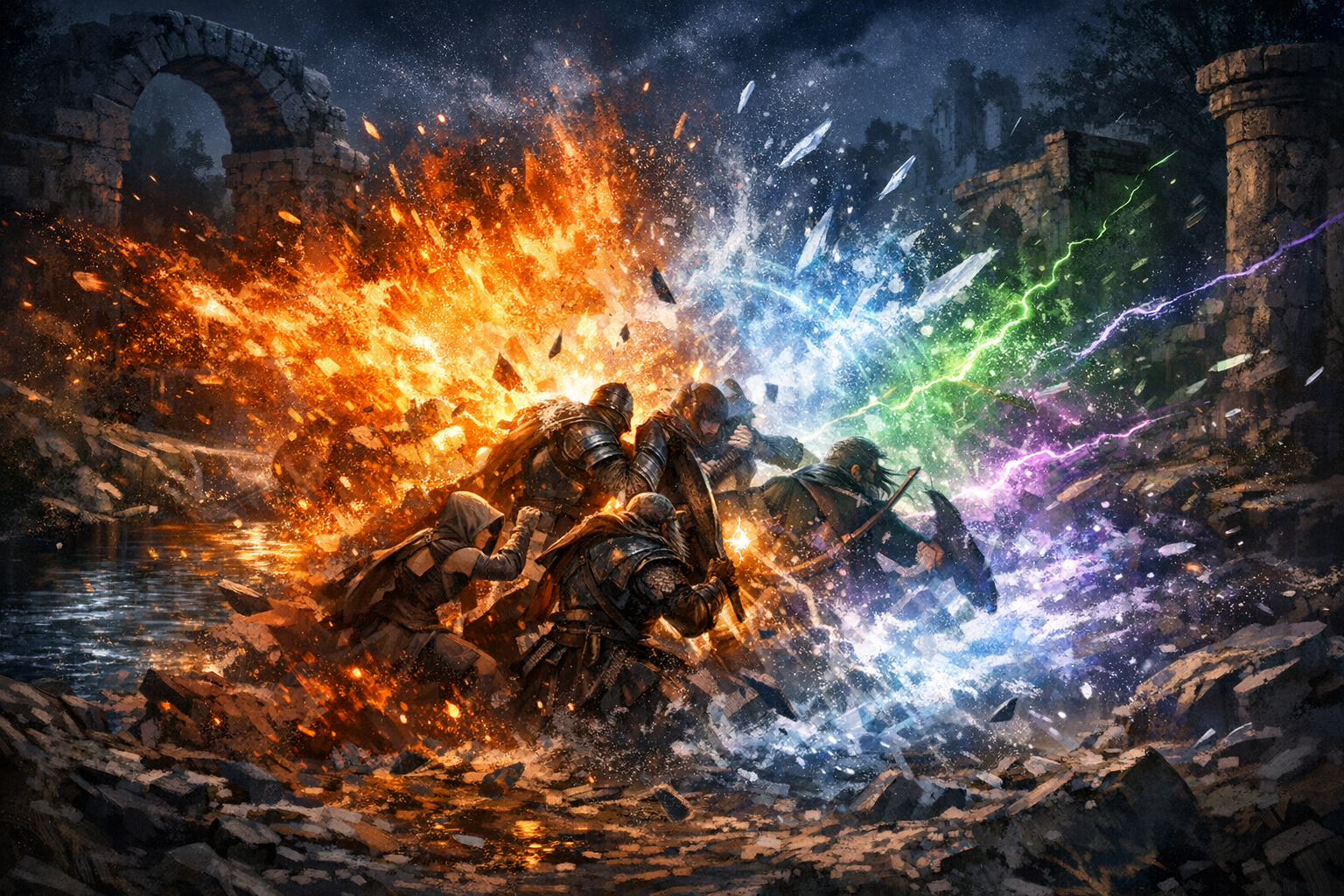
Juggernaut spins on your wave, the supports rotate, and the fight that starts as a routine rune scrap suddenly turns into a magic-damage avalanche. Your Earth Spirit rolls through two heroes, your Lion gets his combo off, your offlaner tosses in one more nuke, and everyone on the other side melts faster than the numbers in your head said they should. Then you click inventories and there it is: Bloodstone, sitting in the middle of the fight and quietly juicing every spell your team throws.
That’s why the item feels bigger than its tooltip. Bloodstone is shaping games because it turns one hero’s item timing into a teamwide damage spike, and Dota has always rewarded effects that scale across multiple bodies. When an item lets your whole lineup hit a different damage threshold without asking four other players to spend gold, you’re looking at a patch-defining mechanic.
The Real Selling Point Is the Aura
Bloodstone gets misread when you look at it like a selfish caster item. The old instinct is to judge it the same way you judge Kaya, a survivability pickup, or some niche sustain button. That misses the reason the item is showing up in serious games.
The value sits in the aura.
A flat spell amplification aura with full uptime changes how fights are played. One hero buys the item. Multiple heroes cash the check. If your draft has two supports with meaningful magical burst, one core with repeated spell output, and a mid hero who naturally wants to stand close enough to fights anyway, Bloodstone turns every skirmish into an efficiency scam. Your position five doesn’t need to buy an extra damage item. Your offlaner doesn’t need to delay utility. They just need to exist near the Bloodstone buyer when buttons get pressed.
That matters because Dota damage rarely arrives as one clean packet. It comes layered. A stun into a nuke. A follow-up silence. A support ult after the initiator commits. Bloodstone scales with all of it.
Why 12% Plays Bigger Than It Reads
On paper, 12% spell amp can look tame. Players see a small percentage and compare it to individual item bonuses they’ve known for years. In game, the aura behaves more like a distributed damage item across your lineup.
Think about a midgame fight where your team lands four relevant magical spells during the first few seconds. Then add a support finishing spell, some damage-over-time, maybe an AoE ultimate clipping two targets. Bloodstone amplifies the whole exchange. The item doesn’t need one huge highlight number because it gets paid in installments all fight long.
There’s another layer here. Crossing kill thresholds in Dota matters more than squeezing theoretical value from a tooltip. If amplified damage turns a target from “barely survives and gets Force Staffed out” into “dies before defensive response,” the practical difference is enormous. The extra damage denies counterplay. It denies stick charges into turnaround. It denies time for a save TP, a defensive item, or one more spell cast.
That’s why players keep describing the item as feeling oppressive. The increase doesn’t just pad totals. It changes outcomes.
Bloodstone Functions Like a Team Item Disguised as a Core Item
Assault Cuirass has always been easy for people to understand. You see an aura item affecting everyone, and your brain immediately files it as teamfight value. Bloodstone deserves the same treatment, except its battlefield is spell damage rather than right-click.
If your lineup wins fights through magical burst or sustained spell spam, Bloodstone works like a force multiplier. It creates damage for heroes that never had to buy for damage themselves. That’s a massive deal in a patch where supports often decide early and midgame fights through cheap spellcasting windows.
A Lion standing next to a Bloodstone carrier hits harder. A Nyx hitting the back line during the same engagement hits harder. An Earth Spirit rolling into the middle of the fight with naturally repeated spell usage gets even more from it because he both benefits personally and delivers the aura where the rest of the team needs it.
That last part is why certain buyers stand out.
The Best Bloodstone Heroes Aren’t Just Casters
The strongest Bloodstone heroes share one trait: they can reliably place the aura inside the fight without instantly feeding.
That sounds obvious, but it’s the difference between a good purchase and a dead item. Backline artillery that wants to cast from a screen away can use spell amp, but it doesn’t exploit the aura nearly as hard. Front-foot mids and offlaners do. They enter, stay relevant for multiple seconds, and drag the aura through the center of the engagement.
Earth Spirit is a clean example. He already wants to brawl in close range, chain spells, and bridge the gap between initiation and sustained chaos. Early Veil into later Bloodstone makes sense because the hero values cheap impact first and then scales that impact into a broader teamfight package. He’s also one of those heroes who naturally makes every extra point of spell damage feel real because his contribution comes in repeated touches, not one isolated cast.
Other natural buyers usually fit a similar profile. They either occupy the middle of the fight or they force engagements around themselves. They don’t buy Bloodstone just to become tankier or just to juice one combo. They buy it because the item turns their presence into an amplifier for the whole map state around them.
Build-Up Matters More Than People Admit
Patch-defining items often get there through the boring route: the build-up doesn’t grief your game.
That matters with Bloodstone. If the path into the item gives you useful pieces along the way, you can hit your timing without feeling like you spent several minutes carrying dead weight. Players tolerate a lot from a powerful late component when the intermediate purchases still let them lane, farm, and fight.
That’s part of why the item keeps showing up in practical builds instead of theorycraft screenshots. You can move through the progression and still play Dota the whole time.
Why It Outclasses Simple Selfish Spell Amp
Kaya is a good item on the heroes that want Kaya. Bloodstone asks a different question.
Kaya improves your own output. Bloodstone improves your own output while also raising your team’s damage in the area that decides fights. That distinction is enough to swing item priority on its own. When one purchase adds a meaningful amount of your own damage and also effectively hands nearby allies extra magical pressure, the comparison gets ugly fast.
This is why treating spell amp as a personal stat undersells the strongest version of Bloodstone. The item isn’t competing only with single-hero DPS choices. It’s competing with every other midgame purchase that claims to help your lineup win the first decisive five-on-five.
And once you frame it that way, the appeal becomes obvious.
The Mechanical Trap: Amp Is Not the Same as Resistance Shaving
Players often mash together spell amplification and magic resistance manipulation because both end with “enemy took more magic damage.” They are related in outcome, but they are not interchangeable in how they scale.
The broad rule is simple: increasing the damage dealt before reductions and changing the target’s resistance produce different final numbers. Those differences become more noticeable depending on the target’s existing resistance and the stack of other effects in play.
Bloodstone’s aura belongs to the amplification side of the equation. That means you should evaluate it by how much extra damage your team’s spells produce in real fights, not by imagining it as a copy of some resistance-reduction effect. The end result can still be brutal. It just gets there through a different lane.
For practical play, the lesson is cleaner than the math. Don’t flatten every magic damage item into the same category. Some amplify your lineup’s total output. Some alter how a target absorbs magic. Some are stronger against naturally durable heroes. Some are better at helping burst down squishier heroes before any response arrives. Bloodstone earns its place because the aura consistently contributes no matter which allied hero is casting.
The Vessel Argument Doesn’t Kill the Item
Yes, Spirit Vessel exists. Yes, players will happily throw it on the Bloodstone owner in fights if they can. That still doesn’t invalidate the purchase.
First, Vessel is targeted counterplay against a hero. Bloodstone’s main selling point is a passive area effect benefiting the whole team. If your item already boosted the opening round of allied spells before Vessel lands, it has done part of its job. If your lineup bursts a target during the first engagement window, the counter item doesn’t erase the value that already hit the screen.
Second, Dota items aren’t judged by whether a counter exists. They’re judged by whether the pressure they create is worth forcing the answer. Vessel being strong against sustain-oriented or high-regen targets doesn’t magically turn off the strategic value of bringing a damage aura into every fight. It just means you need to think like a grown-up and itemize the rest of your game accordingly.
That can mean BKB. It can mean choosing your entry angle better. It can mean having teammates punish the Vessel carrier for stepping forward. Strong items in Dota invite responses. That’s normal.
Why Pubs Feel the Effect So Hard
Bloodstone shines even brighter in pub environments because coordination around magical damage tends to be messier but also more explosive. Teams throw overlapping spells all the time. Supports commit every button for one kill. Midgame fights break out in cramped areas around runes, towers, and jungle entrances where everyone is close enough for an aura to matter.
That’s perfect Bloodstone territory.
The average pub also struggles to read why a fight was lost. People see a support die in one extra nuke and blame positioning, or they see a core evaporate and blame lack of BKB. Sometimes the real answer is simpler: the enemy team had an aura item turning every cast into a slightly bigger cast, and all those slight increases landed in the same four-second window.
Pub players should pay attention to timing, not just final inventory. The item becomes dangerous the moment the buyer can stand in the right place during a real fight. If you wait until every enemy spell suddenly feels overtuned, you’re already playing from behind.
How to Play With It
Drafts with layered magical damage love having a Bloodstone carrier. If your offlaner and supports contribute real spell output, you should actively think about which core can bring the aura into the center of the fight. A lineup built around early pickoffs and repeat skirmishes gets paid faster than a lineup that only wants one giant cooldown-based engagement every few minutes.
You also want the Bloodstone owner taking fights in spaces where allies can stay connected. Chasing one hero across half the map wastes the item. Defending an objective, contesting a choke point, or crashing into a smoke fight near teammates unlocks it.
How to Play Against It
Spread the fight if you can. Punish the aura carrier before the full spell chain lands. Force defensive reactions early. If the Bloodstone owner is the one connecting the lineup, cutting that hero out of the first few seconds matters more than arguing over the exact percentage on the tooltip.
Respect the timing too. A lot of games get thrown because players keep treating a newly completed aura item like a personal stat stick. It isn’t. Once it appears, the enemy team’s combined magical burst has changed.
The Patch Always Tells You What It Values
Every patch has one item that exposes what matters in actual fights. Bloodstone is one of those items because it rewards clumped skirmishes, layered spell usage, aggressive positioning from durable casters, and lineups that squeeze value from every hero at once. That profile matches how a lot of games are being played.
When one purchase raises the floor for your supports, raises the ceiling for your cores, and asks the enemy to answer a hero standing exactly where Dota fights naturally happen, you get more than a strong item. You get a metagame anchor.