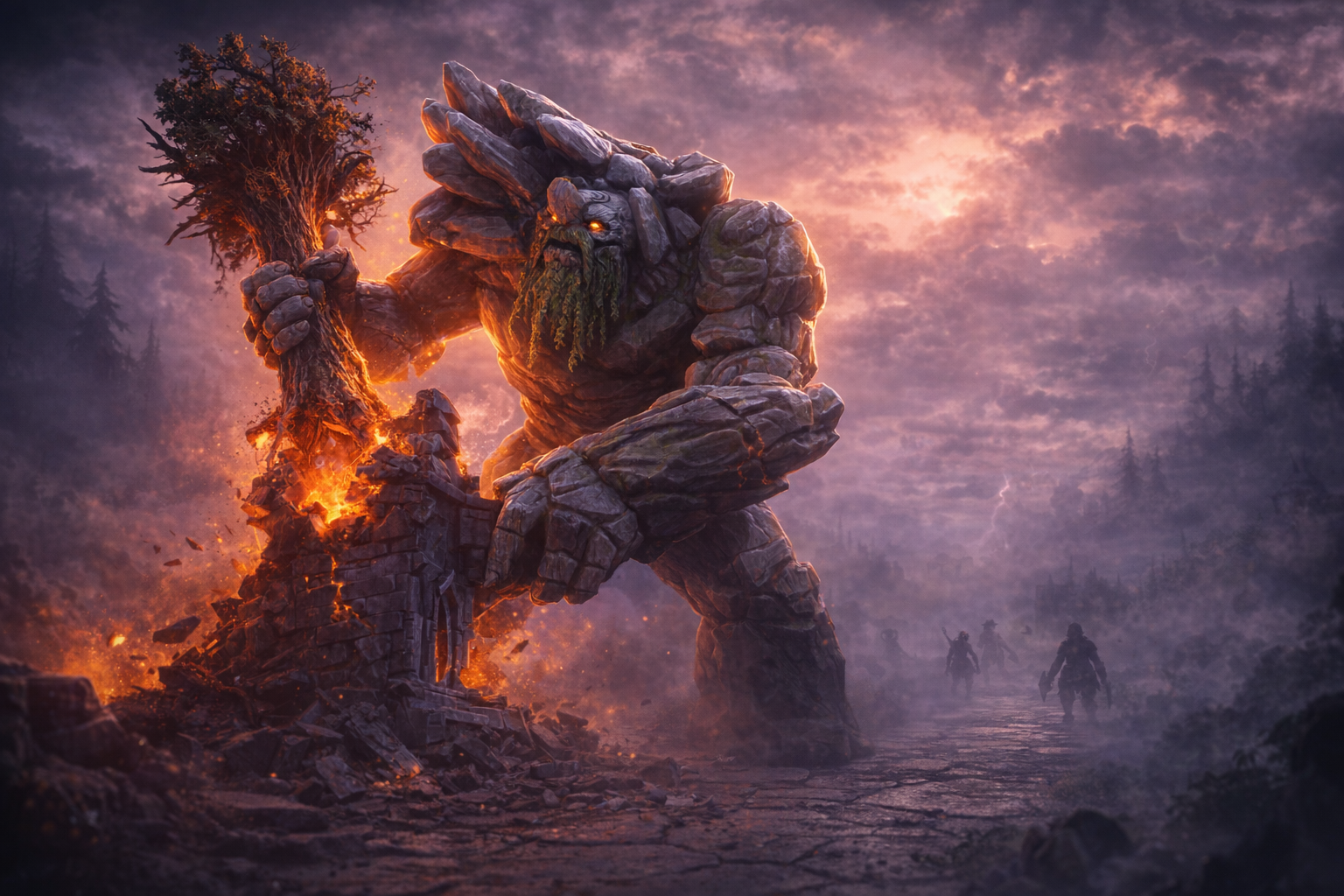
Tiny Carry Wins by Turning Farm Into Fear
You know the game. Your mid wave is pushed, your support is trying to ward the river, and then a walking rock appears from fog and removes half your hero before the stun animation even feels finished. Two hits later, your tower is suddenly the next victim. That is the current appeal of Tiny carry: he turns ordinary map movement into a punishment check.
Tiny looks weird as a safelaner if your mental picture of carry Dota is a fast right-clicker scaling through attack speed, illusions, or long fights. He plays a different economy. He farms quickly, reaches a brutal first item window, then makes every sidelane feel illegal for the enemy team. When Tiny is good, the whole map gets smaller.
Why Tiny Carry Makes Sense Again
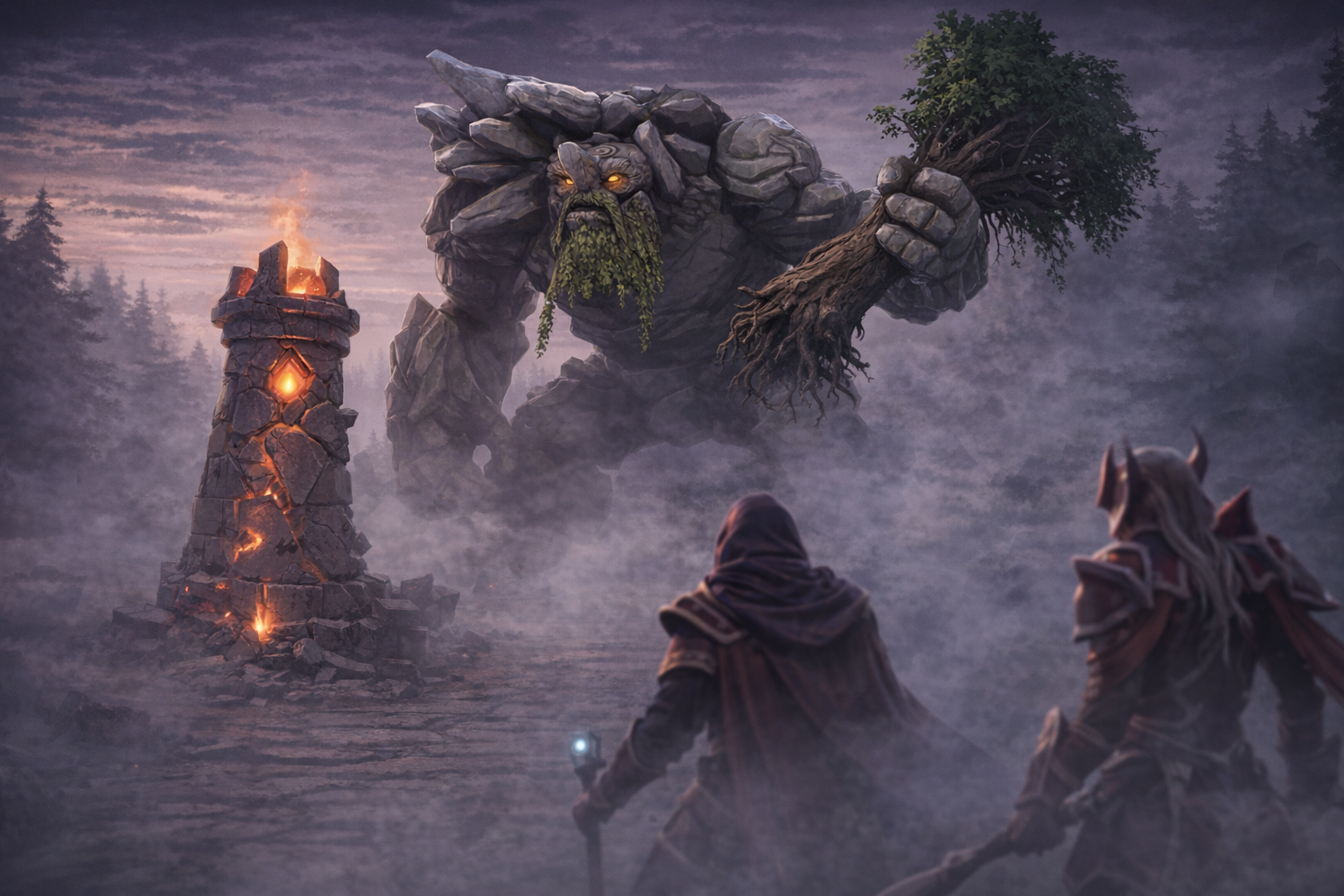
The simplest answer is that Tiny has a carry profile with very un-carry-like tools. He has a real stun. He has displacement through Toss. He has high burst damage that comes online before six-slot territory. He hits buildings hard when he is allowed to stand there with a tree. He also has a huge strength body, which means he can walk into skirmishes that would instantly delete many farming cores.
That combination matters because modern carry Dota often rewards heroes who can accelerate without disappearing from the game. A pure farming carry wants space. Tiny creates some of his own. He can clear waves, jump a support, force a reaction, then convert the creep wave into tower damage. If enemies split the map poorly, he does not chip them down. He collapses them.
The old concern was Tree Grab uptime. Once infinite tree usage disappeared, safelane Tiny felt awkward to many players because the hero seemed to lose the simple reliability that made him farm. The current version gives him enough charges to keep the pattern functional as long as you use the tree intelligently. You are managing a resource, but the resource is generous enough that carry Tiny has returned as a serious idea rather than a nostalgia pick.
The Tree Grab Economy
Tree Grab is the reason this hero farms like a core instead of a ganking mid cosplay. The spell gives Tiny the cleaving, lane-clearing attack pattern he needs to move from wave to camp without buying a farming item that delays his fighting timing. Maxing it early is usually the backbone of the safelane build because every extra point improves the thing Tiny needs most: turning time into gold.
The basic rhythm is simple. Use tree hits to secure the wave, drag the lane when it is safe, then clear the nearest camp. If your support stacks, Tiny converts those stacks cleanly because splash damage rewards grouped creeps. When you are on your final charge, Tree Throw lets you squeeze value out of the tree instead of letting the last swing disappear into a low-impact target. That small habit adds up across a ten-minute lane.
Tree charges also change how you think about lane pressure. You do not want to waste attacks on random harassment if it breaks your farming route. Hit heroes when the hit matters: to win a last-hit trade, to punish a support stepping too close, or to set up Avalanche and Toss. Tiny is at his best when every swing either secures gold or threatens a kill.
Laning: Win CS, Threaten the Mistake
Tiny’s lane is sturdy because opponents have to respect two different things at the same time. First, the tree makes last-hitting and shoving easier than his low attack speed would suggest. Second, Avalanche into Toss can punish bad positioning very quickly, especially when your support has any slow, stun, or body-block potential.
His weaknesses are real. Low attack speed makes missed last hits feel awful. Low armor can make heavy physical poke annoying. Ranged offlaners and lane bullies that chip constantly can force extra regen if you get lazy with positioning. Tiny can look like a mountain and still lose trades if he walks into every attack animation for free.
Your early goal is practical: keep the lane playable, secure the ranged creep, and hit your first stat-and-tempo items without feeding the offlane duo. Power Treads are natural because Tiny likes tread switching and raw attributes. A Wand is often excellent because fights happen around him. Small defensive purchases are fine if they keep your timing intact. Dying once because you refused a cheap survival item is a much bigger delay than buying it.
The Echo Sabre Window
Echo Sabre is the item that makes Tiny feel like a carry instead of a large creep with a stun. The double-hit pattern helps cover his attack speed problem, adds burst, and makes early pickoffs far more reliable. After Echo Sabre, supports and fragile cores have to treat fog like a hostile spell.
This is the first major timing you should play around in ranked. Before Echo, you are mainly farming and taking obvious kills. After Echo, you can smoke, connect to mid, punish a greedy offlaner, or invade a jungle entrance with your support. The hero’s damage goes from threatening to sudden.
The mistake is buying Echo and continuing to farm as if nothing changed. Tiny scales, but his scaling is tied to fear. When enemies are scared to show on waves, your team gets cleaner farm distribution and easier tower pressure. A carry who farms while also restricting enemy movement is worth more than a carry who only farms.
Blink, Shadow Blade, or Harpoon
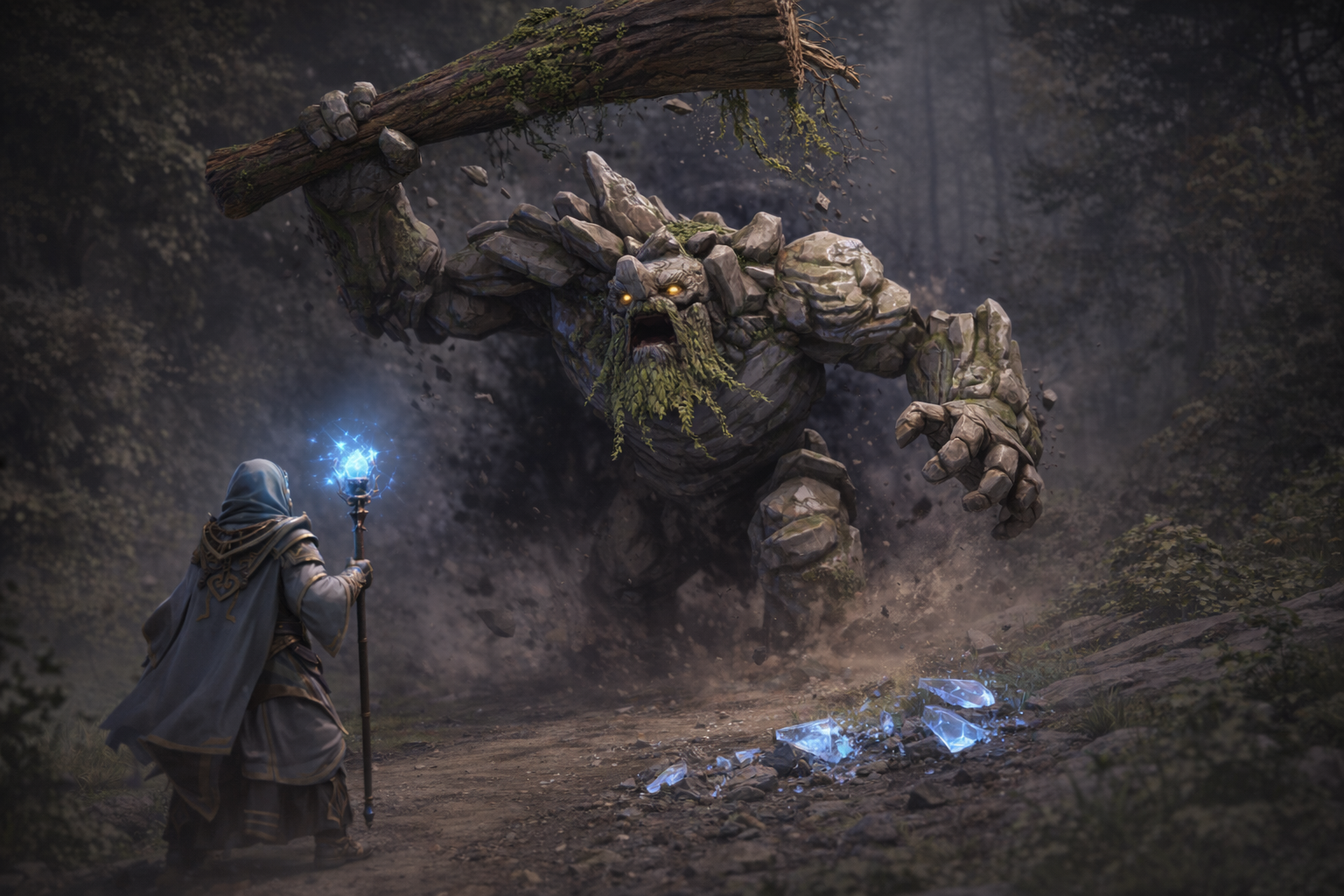
The mobility choice defines your midgame.
Blink Dagger gives instant initiation. It is clean, direct, and strong when your team needs a reliable way to start fights. Blink also lets you choose Toss angles more deliberately, which matters when one good displacement wins the fight before the BKBs come out.
Shadow Blade gives pickoff pressure and better solo movement. It lets Tiny farm aggressively while threatening anyone who shows alone. The upgrade path into Silver Edge can be valuable when break is important, but the base invisibility already changes how enemies play the sidelanes. In pubs, that psychological pressure is huge. People stop pushing waves properly when they think a Tiny is walking at them from fog.
Harpoon, when built from the Echo Sabre path, gives another way to force contact. Tiny loves anything that reduces the distance between him and a target because his damage is concentrated in short windows. If the game is full of slippery heroes and awkward terrain fights, the extra reach can matter more than raw damage.
There is no universal answer. Blink is for clean starts. Shadow Blade is for hunting and map pressure. Harpoon is for sticking to targets once the fight begins. Good Tiny games often involve more than one of these tools because the hero benefits so much from choosing when contact happens.
How the Fights Actually Work
Tiny carry fights are about target selection, not standing still and trading like a machine gun. You want to enter from an angle, land your control, and delete a hero before the enemy formation stabilizes. Avalanche gives the reliable setup. Toss adds burst and chaos. Tree hits finish the job.
The dream fight starts with Tiny appearing on a support or vulnerable core before defensive spells are ready. The bad fight starts with Tiny blinking into five heroes, getting kited, and spending BKB hitting the nearest high-armor target while the backline walks away. Your damage is terrifying, but it has a shape. Respect that shape.
BKB becomes mandatory in many games because disables ruin Tiny’s rhythm. He does not like being slowed, chain-stunned, or forced to waste his first few seconds of contact. Sange-based items can help in games where durability and resistance to control matter. Manta can solve some silence or dispel problems, though it should be bought for a clear reason rather than as a default carry reflex. Daedalus is the greedy damage option when you already have the ability to connect. Assault Cuirass, Satanic, and other late-game durability choices depend on whether you need to hit buildings, survive burst, or stand your ground.
Also, Toss can kill your teammate. Every Tiny player eventually learns this through shame. The spell is powerful because it moves units in a messy game, and messy tools punish lazy clicks. In serious fights, slow down for half a second before pressing it near allied heroes.
The Ranked Farming Pattern
A practical safelane Tiny game has a clear flow.
Start by stabilizing the lane and using Tree Grab to win the creep economy. If the wave pushes, take the small camp or nearby neutral camp instead of standing exposed in front of the enemy tower. Ask for stacks when your support has a chance, but do not build your whole game around someone else doing homework. Tiny clears stacked camps well enough that even one extra stack can push you toward Echo Sabre at a dangerous pace.
Once you have Echo Sabre, pressure the closest objective or kill the hero defending it. Tiny’s tower threat means enemies must respond. If they bring too many heroes, your team can use the opposite side of the map. If they bring too few, you can take the fight.
After your mobility item, play near lanes that matter. Do not jungle in a corner while your strongest timing expires. Shove a wave, disappear, then make the next enemy guess. The best Tiny carry games feel oppressive because the enemy never knows whether you are farming ancients, waiting behind your mid, or walking under invis toward their offlane.
In pubs, that uncertainty wins games by itself. People overreact to missing heroes. They abandon waves. They group too early. They place defensive wards instead of aggressive ones. Tiny turns one successful pickoff into several minutes of enemy hesitation.
What Punishes Tiny
Tiny hates being kited. If enemies can force your BKB early, disengage, then restart the fight, your impact drops hard. Heroes with saves can also ruin the burst math. A target that survives your first combo often buys enough time for the rest of the team to punish your position.
Armor is another problem. Tiny’s physical damage is huge, but high-armor targets and armor auras can make him feel less explosive. That does not mean you ignore them forever, but it does mean jumping the correct target matters. Killing the save hero or the damage dealer behind the tank is usually cleaner than proving you can hit a frontliner for six seconds.
Vision also decides many Tiny games. Shadow Blade Tiny looks broken against teams without detection discipline. Blink Tiny looks unstoppable when wards catch supports rotating alone. Against good vision, every approach gets harder. Carry sentries when the game calls for it, ask for smoke, and avoid showing on obvious waves right before your team wants to fight.
The Pub Verdict
Tiny carry is strong because he gives you agency. You can farm fast without waiting twenty minutes for permission. You can threaten kills without needing a perfect five-man setup. You can hit towers hard enough that every won fight becomes an objective. That package is rare.
He also demands cleaner decisions than he appears to. The hero looks brainless when he deletes someone with Toss and two attacks, but the work happened before that moment: the item timing, the lane shove, the fog angle, the target choice. If you add Tiny to your ranked pool, treat him as a tempo carry with burst, tower pressure, and farming speed. Get the tree economy right, hit Echo Sabre on time, buy the mobility item your game actually needs, then make the map feel unsafe.
Tiny starts small. The enemy’s playable area should too.