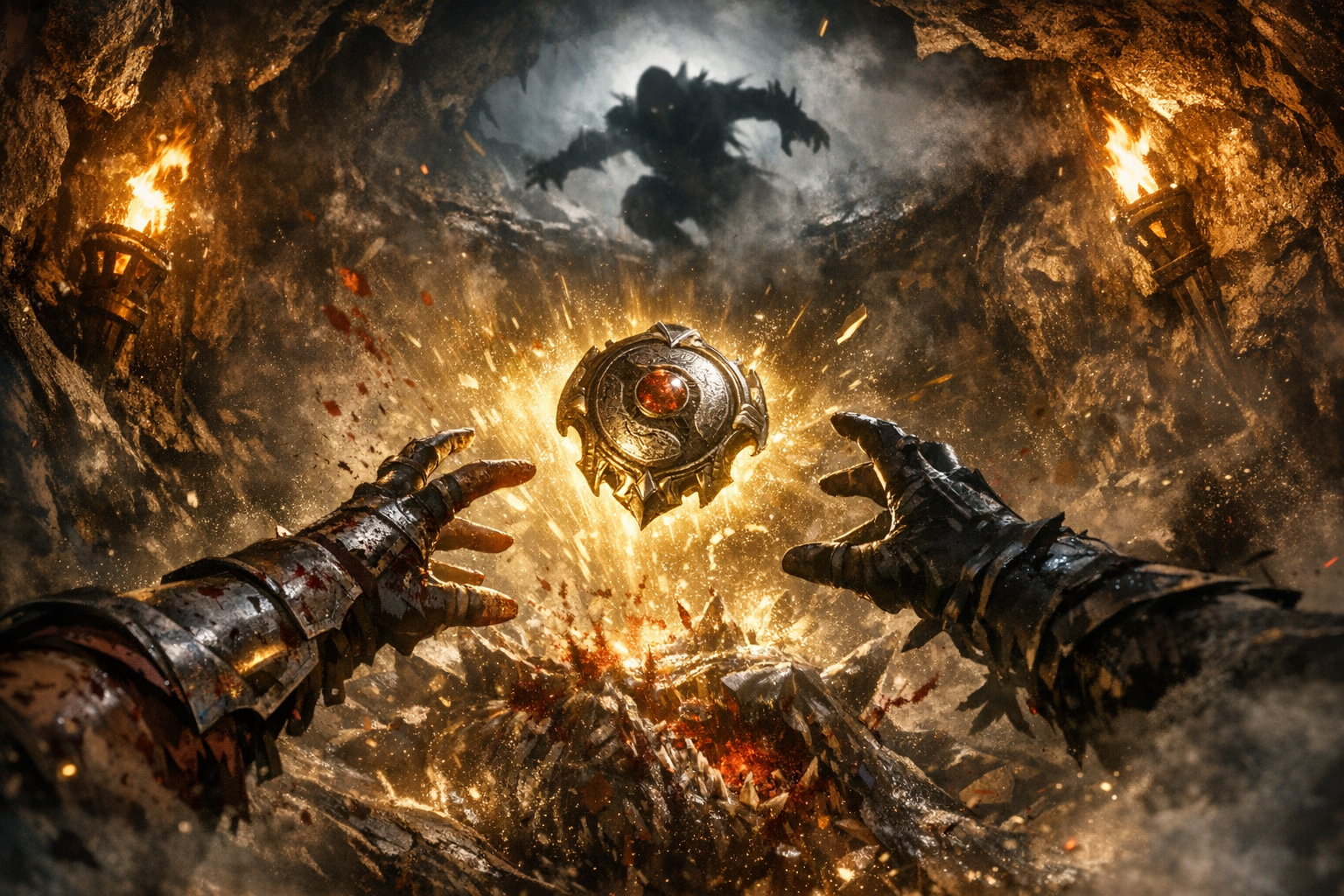
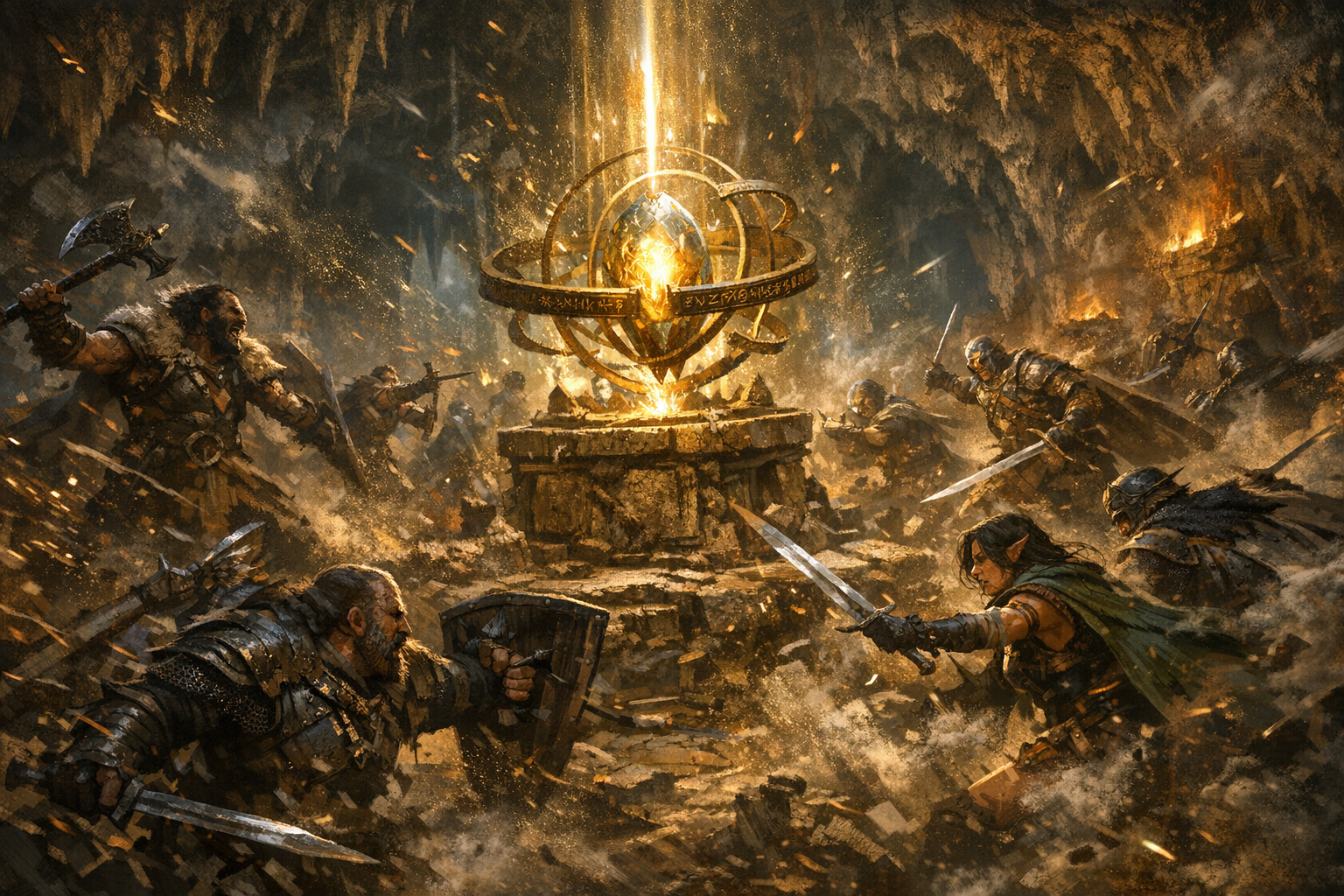
So you clicked this article expecting a clean answer to a familiar pub crime scene: enemy hero jumps into the pit from fog, Roshan dies, Aegis changes hands, and the immediate reaction is that somebody had to be cheating. Fair enough. You’ve lived this sequence. Your team is packed into the pit, spells are flying, everyone is pinging Roshan’s HP, and then some maniac times a blink or a high-ground leap so perfectly that it feels impossible without hidden information.
That feeling is real. It’s also where Dota gets slippery, because Roshan steals sit in the worst possible overlap of skill expression, blind guessing, and suspicious behavior. Some steals are textbook reads. Some are pure casino spins that happen to hit. Some deserve a closer look. The hard part is that from inside the game, all three can look identical.
Why Roshan steals feel supernatural
Roshan is the one objective in Dota that creates instant paranoia. Towers fall in plain sight. Smokes get broken on wards. Pickoffs leave obvious footprints. Roshan compresses the whole game into a hidden room with a tiny health bar and one prize that can flip the entire map.
That hidden room matters more than people admit. When you lose an Aegis to a hero who had no obvious vision, your brain fills in the gap. It starts with, "How did he know?" It quickly ends at, "He had to know."
A lot of the time, the answer is much uglier and much simpler: experienced players are very good at reading when Roshan is happening, very good at estimating how fast he’s dying, and very willing to throw their body into the pit if the upside is game-winning.
That doesn’t mean cheating never happens. It means Roshan is one of the few places where legal information and illegal information produce the same visible result. A perfect entry at one percent HP can be a read, a rhythm, or a radar.
The legal ways people "see" Roshan without seeing Roshan
Game state tells are louder than wards
You don’t need direct vision of the pit to know a Roshan attempt is likely. You need patterns.
A team wins a fight near mid and immediately vanishes from lanes. A carry with fresh item timing stops showing on the dangerous wave. The enemy support who was dewarding your jungle thirty seconds ago suddenly disappears. Your outpost area gets contested. Heroes with strong Roshan damage gather off map at the same time. That’s enough.
Good players build a running Roshan script in their head all game. They track lineups that kill it quickly. They notice when key ultimates are available, when enemy cores have lifesteal or minus armor, when a team desperately wants to break high ground and needs Aegis first. By the time somebody jumps blind into the pit, the jump often started a full minute earlier as a read on map movement.
Earlier vision is often enough
The most misunderstood part of a steal is that current vision isn’t always required. Brief information from several seconds earlier can do the job.
If somebody saw heroes entering the Roshan area, saw one summon nearby, saw a support place a ward before it got dewarded, or caught Roshan already missing a chunk of health, they can estimate the rest. Dota players do this constantly with creep waves, camps, teleports, and smoke paths. Roshan is no different. The only difference is the punishment for being wrong is much higher.
A player who glimpsed the start of the attempt can count forward based on lineup and items. Against some drafts, that countdown is rough. Against others, it’s basically last-hitting a very large neutral creep with extra steps.
Audio and fight tempo matter
Dota leaks information in weird ways. You don’t always need vision to know a team is clustered in the pit. Spell sounds around the area, hero silhouettes entering from common angles, delayed wave shove on nearby lanes, and the simple absence of enemy heroes from any productive map move all narrow the possibilities.
Then there’s fight tempo. If the enemy team just won a skirmish and your buybacks are down, Roshan is the default next move in a huge number of games. Once you understand the sequence, the pit becomes less of a mystery box and more of a metronome.
The mechanical side of the blind steal
Roshan HP can be estimated better than you think
Players dramatically underestimate how often Roshan HP is inferred rather than seen. If you know which heroes are in the pit and roughly what they’ve built, you can estimate the kill speed. You won’t get an exact number, and you don’t need one. A steal attempt only needs a workable window.
That window can be surprisingly wide. If you know Roshan started around ten seconds ago and the enemy lineup kills him at a medium pace, you can prep the path in. If they have faster damage than expected, you miss and die. If they’re slower because they fumbled positioning or used the wrong cooldowns, you arrive early and get a second chance to contest. Over many games, those attempts pay off often enough that strong players keep taking them.
The stealer usually isn’t trying to be perfect
This is where a lot of accusations come from. People imagine the enemy hero calculated the exact Roshan HP and arrived on a pixel-perfect frame. In reality, many steals happen because the contesting player commits to a range of outcomes.
Blink into the pit when Roshan should be low. Throw the nuke or mobility spell. Hope the enemy panics and mistimes the last hit. Force a stun, a reposition, or a half-second hesitation. Sometimes you don’t even need to get the last hit yourself. You just need to turn a clean secure into a messy one.
That’s why steals happen with such chaotic visuals. The defending team has all the information and still messes it up because Roshan contests are one of the highest-pressure execution checks in the game.
The best stealers practice the rhythm
Players who fish for Aegis steals every chance they get build intuition. That sounds soft, but it’s real. You develop a feel for how long Roshan lives against certain heroes. You learn common entry timings from river, triangle, twin gate paths, or high ground approaches. You get used to the exact moment teams become greedy and stop hitting enemy heroes to finish Roshan.
That repetition matters. A player who tries these steals in every bracketed game will look psychic once in a while. From your perspective it’s one impossible moment. From theirs it may be attempt number fifty, with forty-five failures you never remember because they ended in a quick death and no clip.
Why your team still loses the Aegis with full control
Secure discipline is bad in pubs
Most pub teams are awful at securing Roshan under pressure. They burn key spells too early. They split focus between finishing Roshan and hitting the intruder. They assume somebody else has the last hit covered. They forget that certain enemy heroes are built for chaos and can turn a half-second opening into a theft.
That sloppiness creates fake evidence. A stealing hero looks all-knowing when the pit team did half the work for him by making the finish vulnerable.
Everyone wants the highlight, nobody wants the boring play
The clean Roshan sequence is brutally simple: control the entrances, keep track of enemy jump angles, reserve the right spell for secure, and accept that sometimes you pause damage for positioning. Pubs hate that sequence. Pubs want the fast kill. The carry wants to finish the objective. The supports want to leave and reset vision. The offlaner wants to posture outside the pit and maybe catch someone. Those little fractures are where steals are born.
Aegis losses often look like information gaps. Plenty of them are execution gaps.
When suspicion is actually reasonable
It would be naive to pretend every blind Roshan steal is a genius read. Suspicion becomes reasonable when the steal is part of a larger pattern rather than a single miracle.
If a player repeatedly makes perfect movements into fogged areas with no setup, avoids ganks with uncanny timing, mirrors ward-free information across the map, or takes objective contests with confidence that never seems tied to visible clues, your eyebrows should go up. The Roshan play matters more when it fits a profile.
A one-off steal at low health is weak evidence by itself. A chain of perfect fog reads across the entire match tells a different story.
What actually makes a replay look bad
The most convincing replays are usually boring. A suspicious player changes pathing before any legal information appears. They drift toward hidden heroes too often. They hesitate exactly where danger is, then reroute. They check impossible angles at the right moment. The Roshan jump is just the flashy endpoint.
If you’re reviewing a game, watch the minutes before the steal. Did the player have enough map clues to suspect Roshan? Did they see heroes disappear in a way that made the call obvious? Did they scan likely paths, or did they move as if the answer was already known? That context matters more than the jump itself.
The pub lesson: play for the steal, defend against the steal
If you want to steal Roshan
Start by reading the map before you read the pit. Track the lineups that can kill Roshan quickly. Count enemy heroes off map. Respect timing windows after won fights and item spikes. Move early enough that you have options when you arrive.
Then accept the math. Most steal attempts fail. That doesn’t make them bad. If the reward is an Aegis swing and the cost is one hero who was probably dead on map anyway, the attempt can be correct even when it looks desperate.
Practice helps more than theory here. The more often you challenge Roshan from darkness, the more natural those timings feel.
If you want to stop losing Aegis
Treat Roshan secure as a real skill, because it is. Put someone outside the pit with a job that matters. Save the spell or attack timing that actually secures the kill. Keep vision on common jump routes. Stop tunneling on finishing when the enemy stealer is missing and known for this exact play.
And if your draft lacks clean secure, respect that weakness. Burn less health tanking the pit. Be willing to peel off Roshan and kill the intruder first. A delayed Aegis is still better than a stolen one.
The uncomfortable truth
Dota is one of the few games where a player can make the correct illegal read and the correct legal read look identical in the moment. That ambiguity is why Roshan steals generate so much salt. You can do everything right, lose the Aegis, and still have no satisfying answer.
The useful response is to get more specific. Ask what information the stealer could have had. Ask what your team exposed on the map. Ask whether your secure was actually secure. Ask whether the player’s earlier movements fit the same pattern. That process won’t catch every cheater and it won’t erase every lucky jump. It will make you much better at separating the incredible from the impossible.
Somebody is going to leap into your next Roshan from total darkness and rip the game open. Sometimes you got read like a book. Sometimes you got casinoed. Sometimes the replay deserves a long, unpleasant look. If you understand the difference, you stop being the guy screaming at the fog and start being the team that either steals the Aegis or makes the pit untouchable.