
Stop Playing Mirana 4 Like a Highlight Reel
The losing Mirana pattern is easy to miss because it feels active. You leave lane at minute three looking for the perfect angle, thread an Arrow through two trees, miss by a hero width, and return to find your hard camp blocked and your offlaner bleeding under tower. Six minutes in, you have brown boots, a dream, and a scoreboard that says you created pressure because you were technically off the map. That is the trap: treating Mirana as a playmaker when the draft needed her to be reliable.
Mirana’s higher success as position 5 makes sense once you stop judging her by the Arrow clips. Recent Dota2ProTracker samples have shown her performing better as a five than as a four, despite the hero historically feeling more natural in the roaming support slot. The reason is brutally practical. Position 5 Mirana gets easier lanes, better camp access, cleaner responsibility, and more drafts where somebody else starts the fight.
The Pos 4 Fantasy Is Expensive
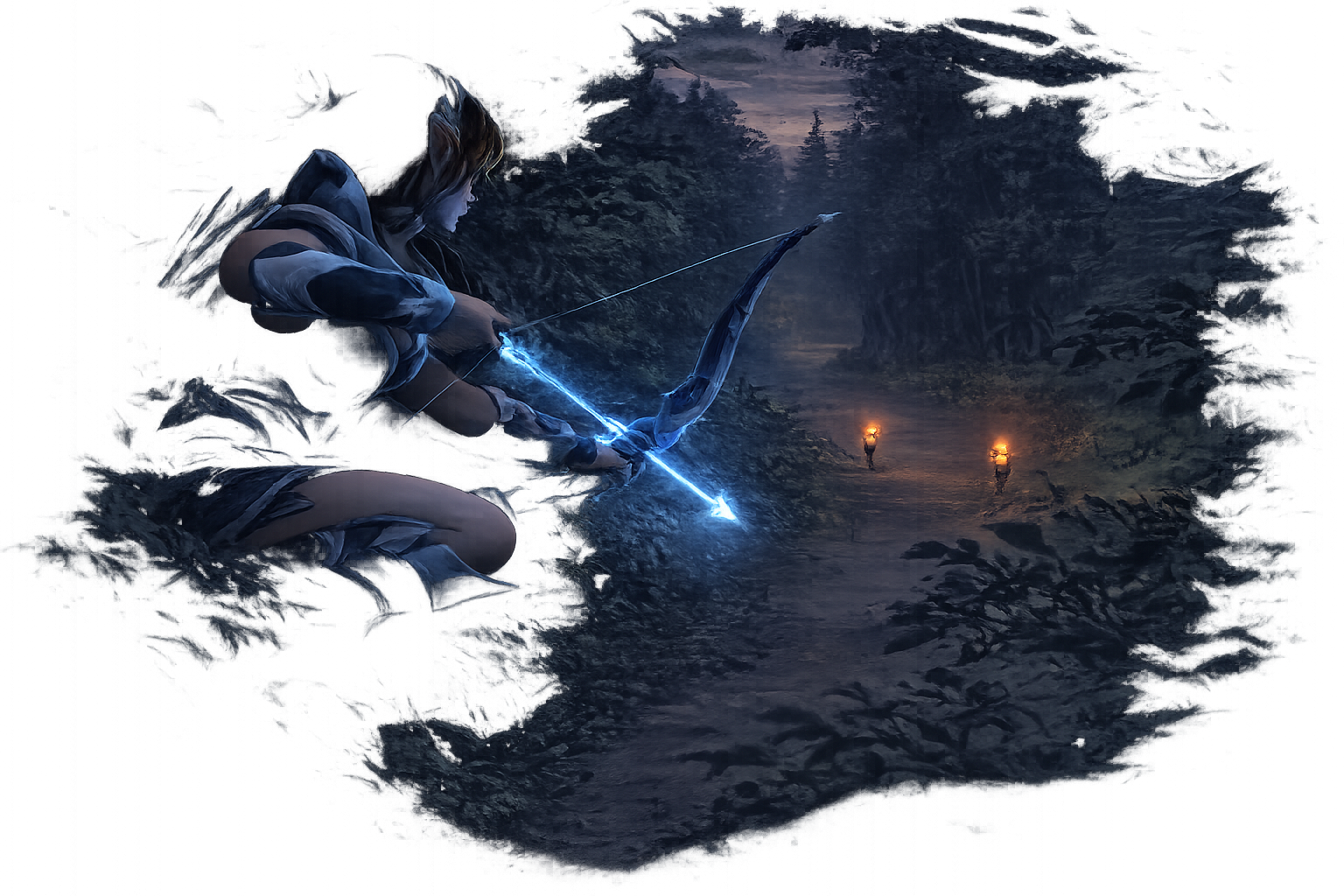
Position 4 Mirana has an identity problem in modern Dota. The role usually wants one of two things early: reliable lane control or reliable initiation. Mirana offers pieces of both, but only under conditions.
Sacred Arrow is one of the most punishing spells in the game when it lands at range. It is also one of the easiest spells to make look productive while doing very little. A missed Arrow costs mana, time, lane position, and often your offlaner’s health pool. A landed Arrow without follow-up can be a mild inconvenience. A landed Arrow after your teammate has already stunned someone can win the lane.
That distinction matters for position 4. When you queue Mirana as the four, your team often expects you to connect the map. You are compared against heroes that can walk at people and force reactions with far less setup. Spirit Breaker charges. Pudge threatens Hook from fog and punishes positioning. Bounty Hunter can harass, scout, and create gold pressure without needing a perfect projectile. Plenty of meta fours have a button that begins the conversation.
Mirana usually wants to answer the conversation.
That pushes her toward items that solve the problem. Eul’s Scepter has long been the classic crutch because it gives her a controlled setup for Arrow. The issue is the path to that item can be miserable from position 4 when your lane camp is blocked, your rotations do not convert, and your offlaner needed help five minutes ago. By the time you buy your setup, the enemy supports may already have saves, mobility, or enough levels to make your pickoff plan feel late.
You can still dominate games as Mirana 4. Good players always bend heroes around tempo and map sense. The average pub version is uglier: too much time spent fishing for a highlight, too little time spent guaranteeing lane resources.
Position 5 Turns Arrow Into Economy
The biggest mechanical reason Mirana feels cleaner as a five sits in the neutral camp battle.
Sacred Arrow can instantly kill non-ancient creeps. That line of text changes the safelane dynamic. As position 5, you can often leave the enemy hard camp unblocked and punish it instead. If the offlane duo uses the camp, you can Arrow the important creep and disrupt the pull. If they ignore it, you can convert the camp into experience and gold without committing a long farming pattern. If they block their own camp to deny you that option, they also remove one of their own lane tools.
That is a real dilemma.
As position 4, the situation flips. The enemy position 5 is heavily incentivized to block your hard camp because offlane pulls are already powerful and Mirana makes the camp even more valuable. The block hurts your lane control and cuts off one of your easiest Arrow targets. Your spell that should stabilize your lane economy becomes a dead button unless you spend time and sentries fighting for access.
As position 5, the enemy has to decide whether Mirana’s Arrow economy is scary enough to sacrifice their own pull game. In many lanes, that decision is awkward. Offlaners want the hard camp available. They want lane resets. They want ways to drag the wave away from your carry’s tower. Mirana standing near the camp with Arrow ready taxes all of that.
This is why the hero can feel strangely better in the role with less farm priority. She gets value without needing a farm pattern. A support that turns a neutral creep into a lane swing every so often does not need to cosplay as a semi-core.
Safelane Matchups Hide Her Weaknesses
Mirana also benefits from the shape of the current lane environment. Many offlaners are melee or at least willing to stand close to the wave. That gives position 5 Mirana more chances to right-click, trade around Leap, and threaten Arrow after a slow or stun from her carry.
Her base laning is playable when she is allowed to choose small trades. She can poke. She can reposition. She can avoid some all-in attempts with Leap. Starstorm gives her burst when enemies overcommit near the wave. None of that makes her a lane bully on demand, but it gives her enough tools to survive and punish mistakes.
The offlane version asks harsher questions. Against a safe lane duo, Mirana 4 is often dealing with a ranged position 5 whose entire job is to ruin her access to the hard camp and trade efficiently. If the enemy carry is hard to pressure, Mirana can end up floating between half-rotations and low-impact harass. The lane becomes dependent on the offlaner having the setup she lacks.
That dependency follows her into midgame. As position 5, your team is more likely to have a position 3 and position 4 that bring the first disable. Your Arrow becomes follow-up. Moonlight Shadow becomes a team movement tool. Your job is to layer spells, break smokes, protect vision, and turn catches into kills.
As position 4, the draft can accidentally double down on softness. If your offlaner picked a scaling aura carrier with limited catch and your mid wants farm, Mirana 4 leaves the team waiting for somebody to start. Nobody starts. Everybody farms. Then the enemy walks into your triangle with a stun that does not require geometry.
Farm Does Less for Mirana Than Players Want
The seductive part of Mirana 4 is the idea that farm unlocks the hero. Get a few kills, buy damage, scale into a hybrid threat, and become that annoying backline archer who also saves fights with Moonlight Shadow.
The problem is opportunity cost. Mirana can use items, sure. Almost every hero can. The question is whether support-level farm changes her job enough to justify taking it over another four that becomes terrifying with the same resources.
Some heroes gain a clean new phase of the game from one item. A Blink reveal. A save timing. A silence that guarantees kills. Mirana’s extra gold often makes her more comfortable rather than fundamentally different. Eul’s helps her create Arrow setups. Utility items help her survive and save teammates. Damage items can feel good when ahead. Yet the hero’s most consistent contributions still come from spell layering, vision play, and Moonlight Shadow timing.
That is why position 5 fits the honest version of the hero. You accept that you are a support with a high-impact follow-up stun and a teamwide invisibility ultimate. You stop chasing the fantasy where every rotation begins with a max-range Arrow from fog. You play for the moments that are actually repeatable.
The old joke about low-economy Mirana still has teeth: throw Arrow, press ultimate, drink clarities, be useful. The modern version has more map nuance and better item decisions, but the principle holds. The hero does not need to be rich to matter. She needs the game to give her reliable triggers.
The Real Value of Moonlight Shadow
Moonlight Shadow is a huge part of why Mirana can be a better five than her lane reputation suggests. Pubs often underrate team invisibility because detection exists. Detection existing has never made invisibility bad. It forces inventory slots, sentry placement, awkward movement, and panic reactions.
As a five, you are already playing the vision war. That makes Moonlight Shadow feel natural. You know where the sentries are likely to be. You know which lane is dark. You know when the enemy supports just showed with no dust or when a core is greedily holding damage items instead of detection. Pressing ultimate from the five role is often less about flashy ganks and more about changing the terms of the next thirty seconds.
Use it to cross a warded river when the enemy thinks they have the area locked. Use it to reset a fight after your carry gets jumped. Use it to turn a smoke that would be obvious into a cleaner wrap. Use it when your offlaner begins the fight and the enemy backline has to guess whether two more heroes are already on top of them.
Position 4 Mirana also has this tool, but the role pressure can distort its use. When you feel responsible for creating kills, you hold ultimate for aggression too often. Position 5 Mirana is freer to use it as a team resource because her value is already tied to protection and map control.
How to Fix Your Mirana Games
Start with lane intent. If you are position 5, decide before the horn whether the enemy hard camp should stay open. Against lanes that rely on pulls, you may still block it. Against lanes where Arrow can punish the camp repeatedly, leave it available and make them regret using it. The point is to choose, rather than auto-blocking because support muscle memory tells you to.
Track your Arrow targets. A neutral creep can be a better Arrow than a hero if it secures lane equilibrium, denies an enemy pull, or gets you a level timing without abandoning your carry. Hero Arrows become much stronger after a slow, root, stun, or forced movement. Throw fewer speculative shots through fog. Make the enemy commit first.
Respect your carry’s first waves. Mirana players love drifting because Leap makes movement feel free. The first few waves decide whether your carry gets to play Dota or spends ten minutes recovering from your adventure. Trade when the offlaner steps up. Use your body. Secure the small camp situation. If you rotate, rotate from a lane state that can survive your absence.
Build like your team needs a support. Arcane Boots, save items, detection, and utility will win more Mirana games than greed disguised as scaling. Eul’s has a place when your lineup lacks setup or the enemy gives you pickoff windows, but buying it every game can trap you into solving yesterday’s problem. If your team already has reliable initiation, your gold may be better spent keeping that initiator alive.
Play fights from the second layer. Mirana is excellent when she can see the first stun land and immediately add Arrow, Starstorm damage, or Moonlight Shadow for the reposition. She becomes much worse when she has to walk uphill and invent the opening herself. Let the durable hero show. Let the instant disable reveal. Then make the fight unfair.
Why the Winrate Gap Makes Sense
The position 5 version of Mirana removes pressure from the weakest part of her kit: being the first reliable catch. It gives her better access to Arrow economy through the enemy hard camp. It places her in lanes where melee offlaners can be harassed and punished. It also puts her into drafts where the three and four are more likely to supply the initiation she wants to follow.
The position 4 version can still work, especially with an offlaner that provides dependable setup and a player disciplined enough to prioritize lane resources over montage attempts. But the average pub Mirana 4 asks too much from a spell that enemies can dodge, creeps can block, and wards can see coming. The average pub Mirana 5 gets to be useful sooner and with less gold.
That is the lesson. Pick Mirana five when you want a low-economy support who manipulates camps, layers a brutal follow-up stun, and gives your team a map-wide movement threat. Pick Mirana four when the draft already covers initiation and your lane partner can make Arrow real. If your plan is to wander around hoping the enemy forgets how sidestepping works, the role badge will not save you.