Primal Beast Turns Pub Chaos Into Free MMR
Why does Primal Beast make so many pub games feel over before anyone agrees they are losing?
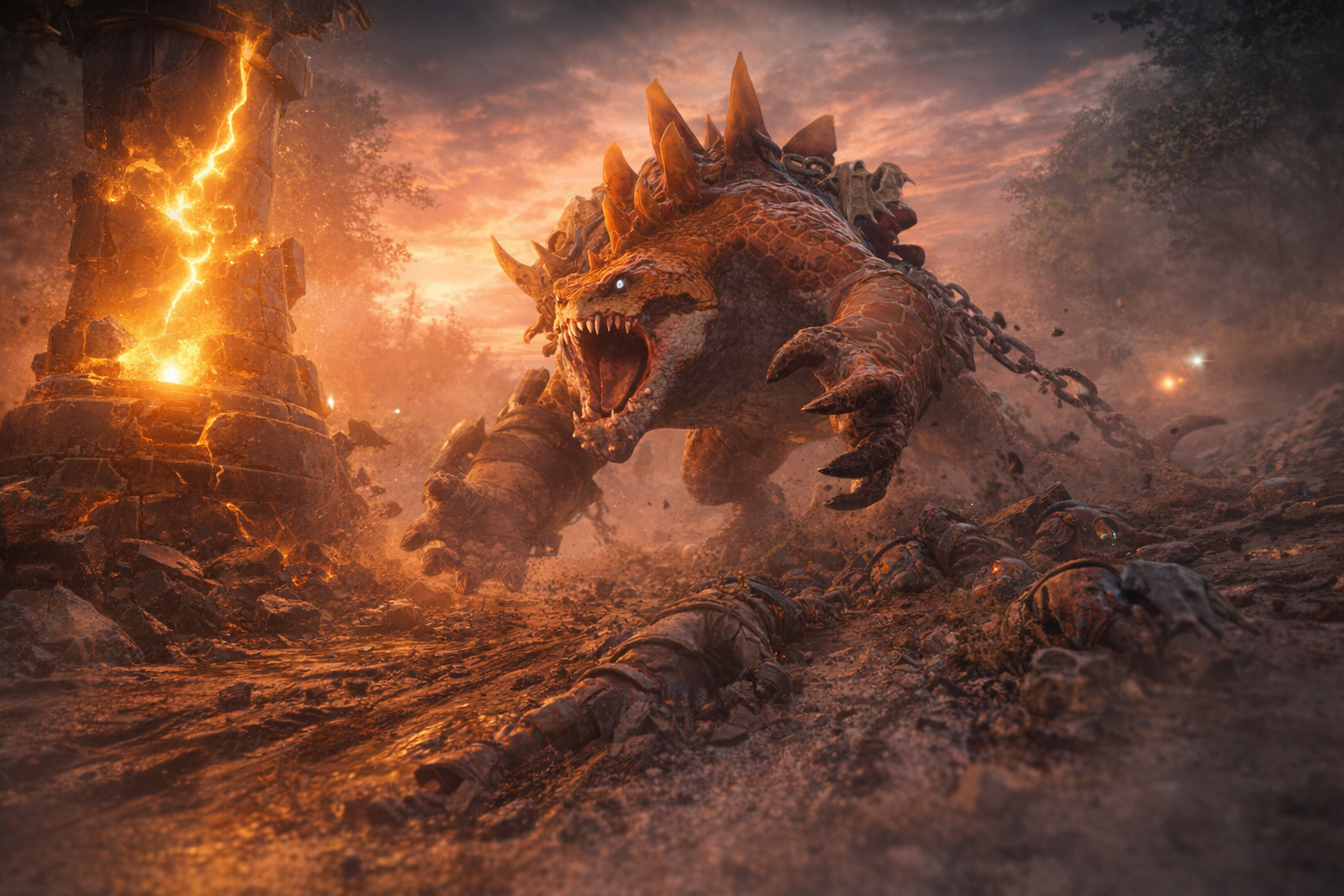
You queue into offlane, buy your starting items, and the first two waves already feel wrong. The Beast is behind your tier one dragging creeps like he owns the map, your carry is pinging the wave, and your support is half HP from trying to punish a hero who seems thrilled to be hit. Five minutes later he has Phase Boots, your safelane tower is bleeding, and every rotation at him somehow turns into more space for his team. That is the Primal Beast pub experience: loud, ugly, low-maintenance pressure that forces five strangers to solve the same problem at the same time.
The Pub Stomper Formula
Primal Beast works in pubs because he asks simple questions with violent answers.
Can your lane punish a hero cutting waves? Can your mid rotate before he gets out? Can your carry farm while a giant dinosaur repeatedly appears from fog and deletes the support standing behind them? Can your team save the target of Pulverize without overcommitting into Trample and Uproar?
In organized games, those answers arrive faster. In pubs, they arrive late, separately, and usually with someone typing. That delay is everything.
The hero has the best kind of pub strength: his baseline plan is obvious, but his ceiling is high enough that mastery keeps paying. A bad Primal Beast can still shove lanes, soak spells, and start fights. A good Primal Beast understands creep equilibrium, fog paths, spell sequencing, and the exact moment a carry goes from farming confidently to panic-clicking toward the tier two.
That combination is rare. Many stomp heroes need snowball kills. Primal Beast can win while killing nobody for the first several minutes. He wins by making the lane unplayable, then turning that lane advantage into map pressure.
Lane Cutting Is the Real Spell
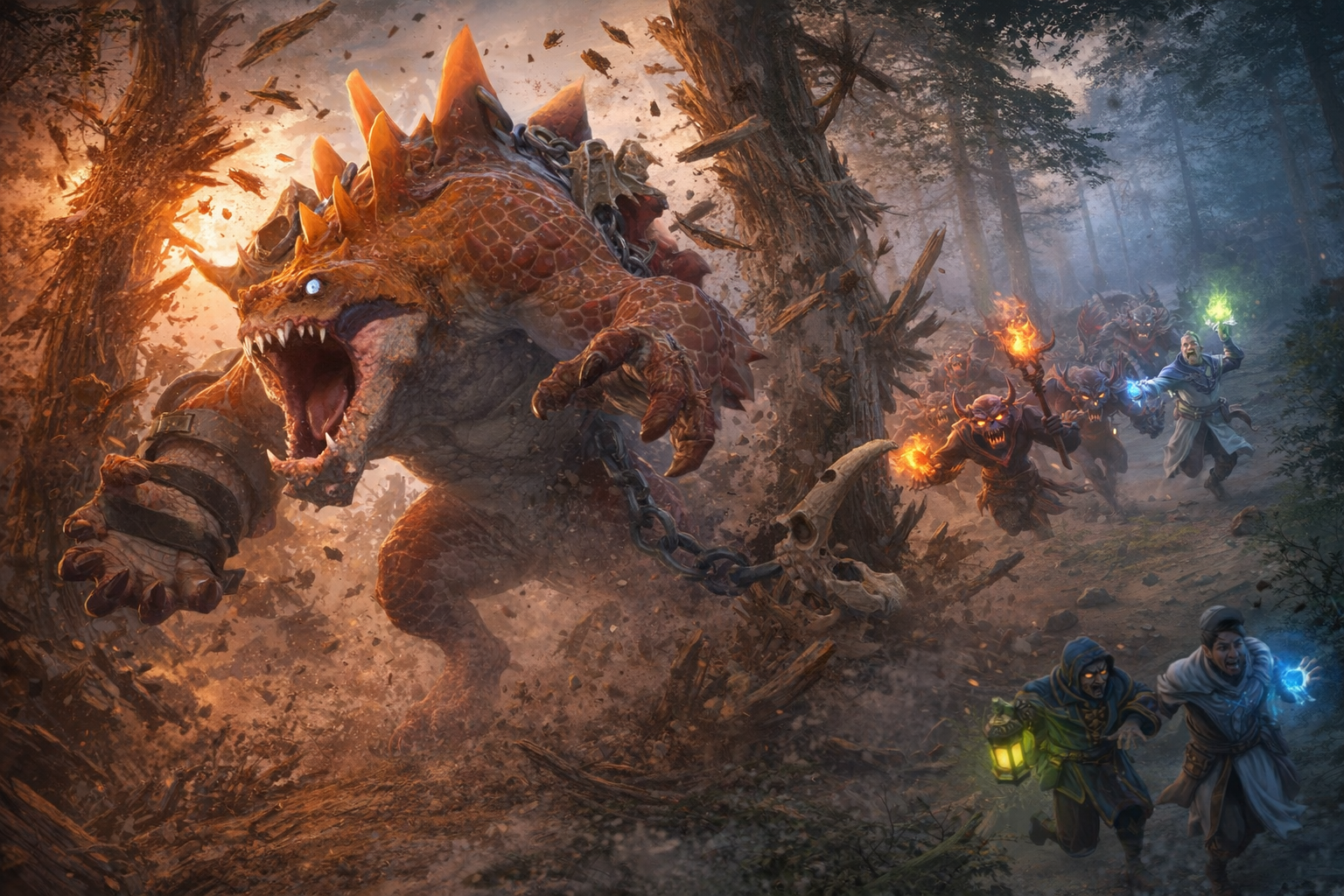
Primal Beast has four buttons, but his fifth spell is creep manipulation.
Lane cutting and dragging are what separate the annoying offlane Beast from the one that makes the safelane feel abandoned by Valve. When the lane matchup gets awkward, he can stop playing the normal last-hit game. He moves behind the enemy tower, collects the incoming wave, and drags it somewhere safer or more useful. The enemy carry gets a bad wave under tower. The support has to choose between chasing, pulling, protecting the carry, or watching the lane collapse.
That choice is brutal in pubs because it requires coordination. If both safelaners chase, they lose creeps and risk dying to turnarounds. If only one chases, Primal Beast often walks away with Onslaught or turns with Trample when the spacing gets sloppy. If nobody chases, he gets exactly what he wants: farm, experience, and a lane state that favors him.
This is why so-called hard lanes often feel less hard after the first wave. Outworld Destroyer can make a normal lane miserable by disrupting your ability to contest creeps and trade on your terms. The adjustment is to stop volunteering for the clean Astral Imprisonment lane pattern. You look for the next wave, drag it, force tower last hits, and make OD decide whether he wants to hit creeps or chase a hero built to waste his time.
The same logic applies against lane bullies like Monkey King, Ursa, or Slark. Fighting them straight up on their preferred wave can be grief. Pulling the wave away from their comfort zone changes the lane from a manfight into a map movement problem. Primal Beast loves that version of Dota.
Why Carries Hate Playing Into Him
Primal Beast gets called an anti-carry because he attacks the habits carries rely on in pubs.
Most pub carries want the game to follow a clean script: survive lane, hit jungle timings, show up when their first major item makes them strong. Primal Beast ruins the script early by pressuring the lane from strange angles, then ruins it later by making the carry farm under threat. He does not need to solo-kill the carry every time. He just needs to make every wave feel unsafe.
His spells also punish greed hard. Trample rewards movement through heroes, so clustered supports and immobile cores can melt faster than expected. Onslaught lets him enter fights from ranges and angles that make warding feel incomplete. Uproar turns enemy damage into a resource, making half-hearted pokes feel actively stupid. Pulverize gives him a direct way to hold a key hero in place while his team catches up.
The late-game value comes from disruption. Carries can outscale raw damage, but they still hate being forced to buy defensive items earlier than planned. They hate supports positioning deeper because Primal Beast can reach the backline. They hate waves shoved into dangerous areas because someone has to answer them. With Aghanim’s Scepter in the mix, the hero gains another layer of teamfight utility around Uproar, especially against lineups that depend on passives or standing their ground.
That is the nasty part. He pressures your early game, then still has jobs later. He can start fights, counter-initiate, break formations, and force BKBs in ugly places. The hero rarely becomes useless just because the game goes long.
Two Builds, One Threat
The appeal of Primal Beast itemization is how direct it feels.
The first path is the map-control build: Phase Boots into tempo items that help him move, fight, and keep lanes shoved. Drum-style movement items fit naturally because the hero wants to be active and close distance. Aghanim’s Scepter can turn him from a durable initiator into a larger teamfight problem. Octarine-style cooldown reduction, when the game allows it, leans into constant spell usage and map pressure.
The second path is the run-at-them build. Phase Boots still make sense, then the hero looks for the tools that let him force contact: Blink Dagger when the game demands instant reach, BKB when disables and magic damage would otherwise stop his entry, and aura or utility choices when his team needs a frontliner more than a solo playmaker.
The trap is autopilot. Primal Beast feels straightforward, which encourages lazy builds. Some games demand early BKB because one silence or stun ruins the only fight that matters. Some games reward greed because the enemy lineup cannot punish side-lane pressure quickly enough. Some games call for Blink because the real target is the Drow or Sniper standing two screens behind everyone else.
Good Primal Beast games look brainless from the outside. They are full of small decisions: whether to cut one more wave, whether to farm toward the enemy jungle, whether to show on a lane before Roshan, whether to hold Pulverize for the real core instead of grabbing the first hero in range.
The Skill Ceiling Hides in the Spell Order
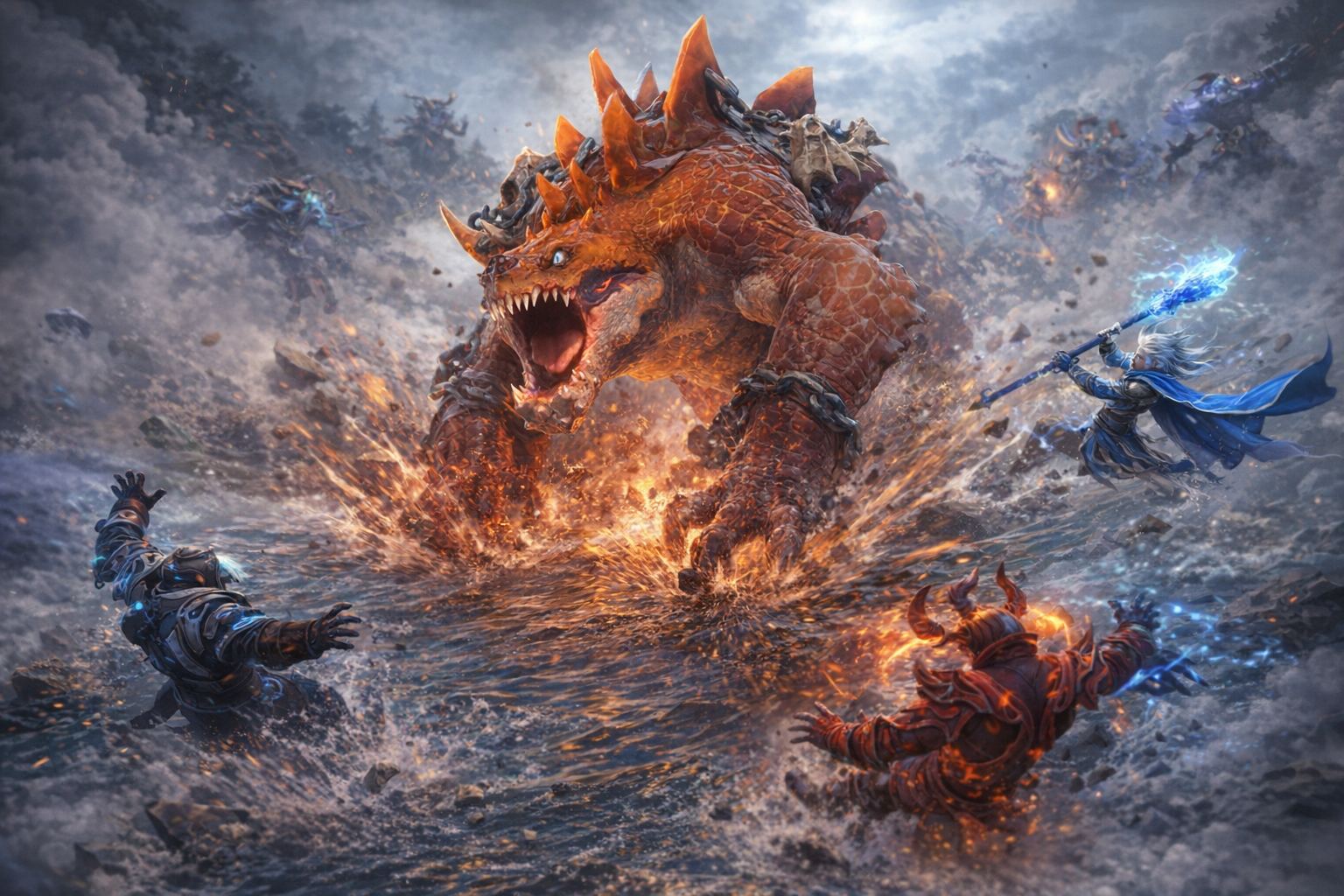
The hero’s reputation as a simple pub monster undersells how much mechanical texture he has.
Onslaught can be used as initiation, escape, repositioning, or a way to cross terrain and arrive from unexpected angles. Trample rewards pathing more than button-mashing; the damage comes from staying close while moving intelligently. Uproar timing matters because activating too early can waste the threat, while holding too long can get you controlled before the payoff. Pulverize looks like the obvious finisher, yet using it at the wrong time can pin you in a bad position and invite a counter-initiation.
The clean sequences are matchup-dependent. Sometimes you Onslaught in, Trample through the support line, and save Pulverize for the core who commits. Sometimes you walk in first, soak spells, build Uproar pressure, then charge after the real target once defensive buttons are spent. Sometimes the scariest play is showing on a side lane and daring two heroes to come, because your escape path is already planned.
His Shard deserves respect too. Rock Throw gives him a long-range way to contribute before full commitment, and that matters in messy high-ground pokes or fights where charging first would be suicide. Pub players often position as if Primal Beast only threatens the area directly in front of him. Shard punishes that assumption.
The Oracle Problem
Some heroes become disgusting with the right support. Primal Beast with Oracle is one of those pairings that makes the enemy lane feel cheated.
Oracle gives him what he wants most: the ability to keep going after the first round of punishment. Purifying Flames-style burst and healing patterns fit a hero who thrives in extended brawls. Fortune’s End can be timed around his entry so the Beast arrives with extra control layered into the collision. False Promise later lets him dive far deeper than a normal offlaner should be allowed to dive.
The result is a lane where trading into Primal Beast feels terrible. If you hit him, he may convert the brawl into Uproar pressure and run you down. If you ignore him, he drags waves and accelerates. If you commit too hard, Oracle has the tools to undo the punish and turn the lane into a highlight clip.
Duo queue makes this even more obnoxious because the timing becomes consistent. Random supports may hesitate or cast defensively. A coordinated Oracle knows when the Beast wants to enter, when he wants to bait, and when the heal window lets him cross the line from aggressive to criminal.
Why Position Five Players Suffer
The safelane support gets the worst seat in the house.
Against many offlaners, position five can stabilize the lane through pulls, trades, and body positioning. Against Primal Beast, every option carries risk. Stand near the wave and you can get trampled. Chase the cut and you may abandon your carry. Pull at the wrong moment and the wave state gets even weirder. Rotate too early and your carry gets bullied off the lane entirely.
This is why the hero feels like a free loss from the support perspective when your lane partner refuses to adapt. A carry who keeps trying to last-hit normally while the wave is being dragged behind tower is playing a different game from everyone else. The support burns regen, misses pulls, and eventually gets blamed for a lane that required both players to react immediately.
The counterplay starts with accepting the lane’s shape. You need vision where he actually moves, not where a standard offlaner stands. You need to punish his resources when Onslaught is unavailable or when he drags too far without backup. You need to protect pull timings and avoid feeding him the extended trades he wants. Most of all, the lane has to decide together whether it is defending the wave, chasing the hero, or trading farm elsewhere.
That last part is where pubs fall apart.
Why He Farms Wins Without Looking Fancy
Primal Beast is a perfect pub stomper because he monetizes confusion.
He does not need elegant drafts. He does not require four teammates to play around a fragile timing. He creates his own game by forcing lanes into motion, dragging heroes toward him, and turning every sloppy response into more tempo. If the enemy team ignores him, he farms and takes space. If they chase him badly, they feed time or kills. If they group too early, his team gets room to breathe.
The hero also gives the player agency from minute one. You are rarely waiting for the game to happen. You can cut, shove, invade, smoke, start fights, or sit in fog and threaten the wave. That agency is MMR fuel because pub games reward the player who gives everyone else a problem before they are ready to solve it.
Primal Beast will always have matchups and drafts that make him work harder. Heavy control, strong saves, disciplined spacing, and cores that punish his cooldowns can make the game uncomfortable. The difference is that pub opponents often own the tools without using them together. A stun comes late. A save gets held too long. A carry shows one wave too far. The Beast only needs one crack to start the avalanche.
If you want a hero that turns mechanical comfort and lane knowledge into steady wins, he is exactly that kind of monster. Learn the wave tricks. Learn when to stop brawling and start dragging. Learn which item lets you play the next ten minutes instead of copying the same build every game. Then queue offlane and make the enemy safelane answer the question every pub hates: who is actually dealing with this thing?