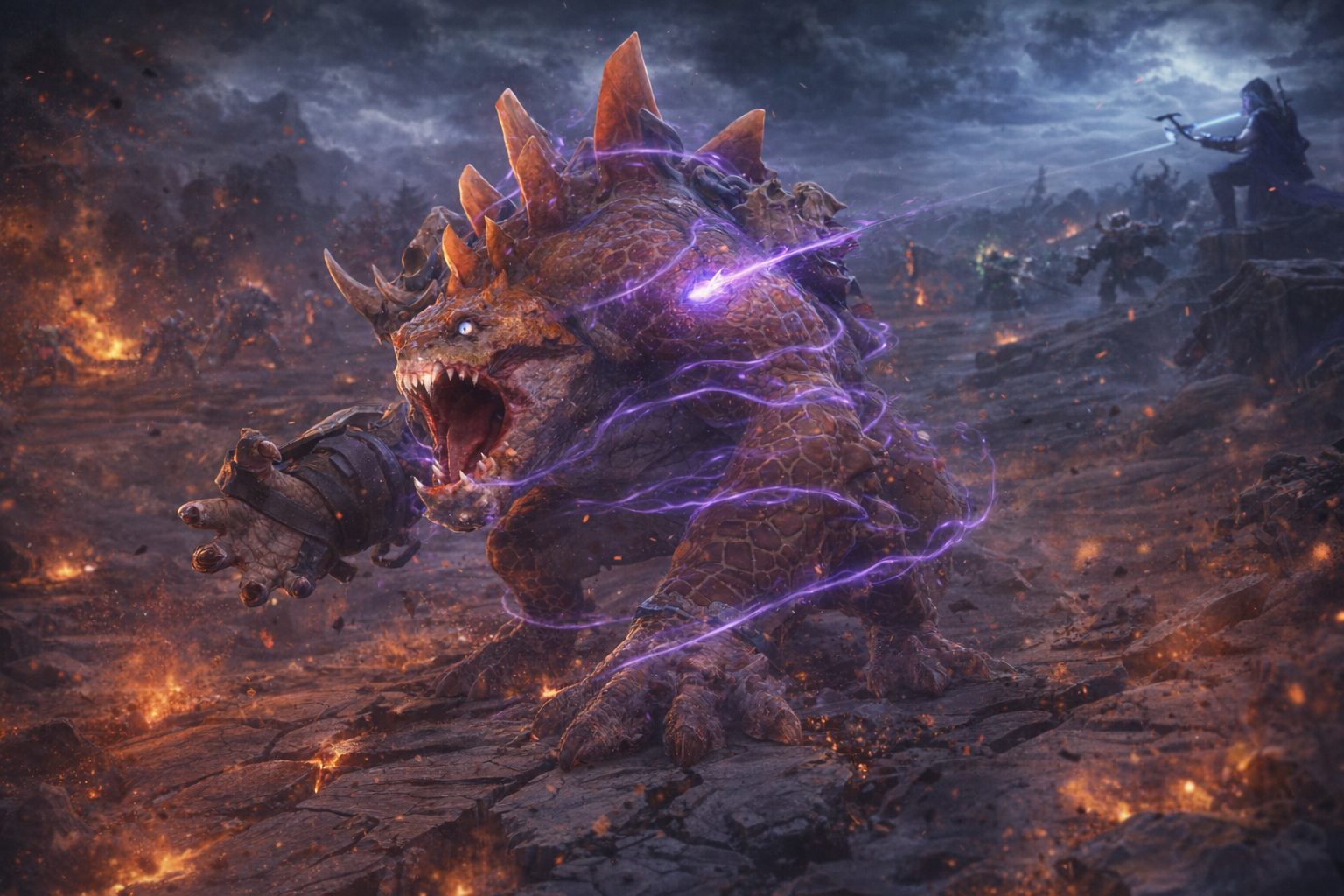
Mage Slayer Turns One Tag Into a Lost Fight
You blink in on Primal Beast, commit the full combo, catch two heroes, and the fight should crack open right there. Instead the damage feels mushy. Supports live on slivers, the enemy core stands his ground, and your second round never matters because the first one barely registered. Somewhere in the chaos, a ranged hero touched you once, and that tiny contact changed the entire fight.
That’s the real story of Mage Slayer. The item doesn’t feel oppressive because it deletes you on impact. It feels oppressive because one low-commitment application can hollow out an entire hero’s timing window, especially when your game plan depends on getting in first and forcing respect immediately.
Why This Item Feels So Much Bigger Than Its Price
Mage Slayer has always lived in a dangerous design space. Dota items are at their most polarizing when they combine broad efficiency with a debuff that specifically targets a whole class of heroes. When that package lands on heroes who already want cheap tempo, safe poke, and skirmish presence, the result stops feeling like a niche answer and starts feeling like a default purchase.
The frustration isn’t only the spell damage reduction. It’s that the item asks for very little to get value. You don’t need a perfect jump. You don’t need to commit your body into a dangerous position. You often just need one instance of attack contact from a hero who was already going to hit you anyway.
That changes the emotional texture of the game. Against many defensive tools in Dota, you can at least point to the moment where the enemy invested something meaningful. A save spell was cast. A big cooldown came out. A support stepped up. Mage Slayer often lands through ordinary gameplay. A sleight, a shield-bounce follow-up, a ranged poke, a casual hit during disengage. Suddenly the spell-heavy initiator is operating at a fraction of the expected threat.
The Heroes That Weaponize It Best
Safe application is the whole point
The item spikes hardest on heroes who can apply it without changing how they naturally play. That’s the dividing line.
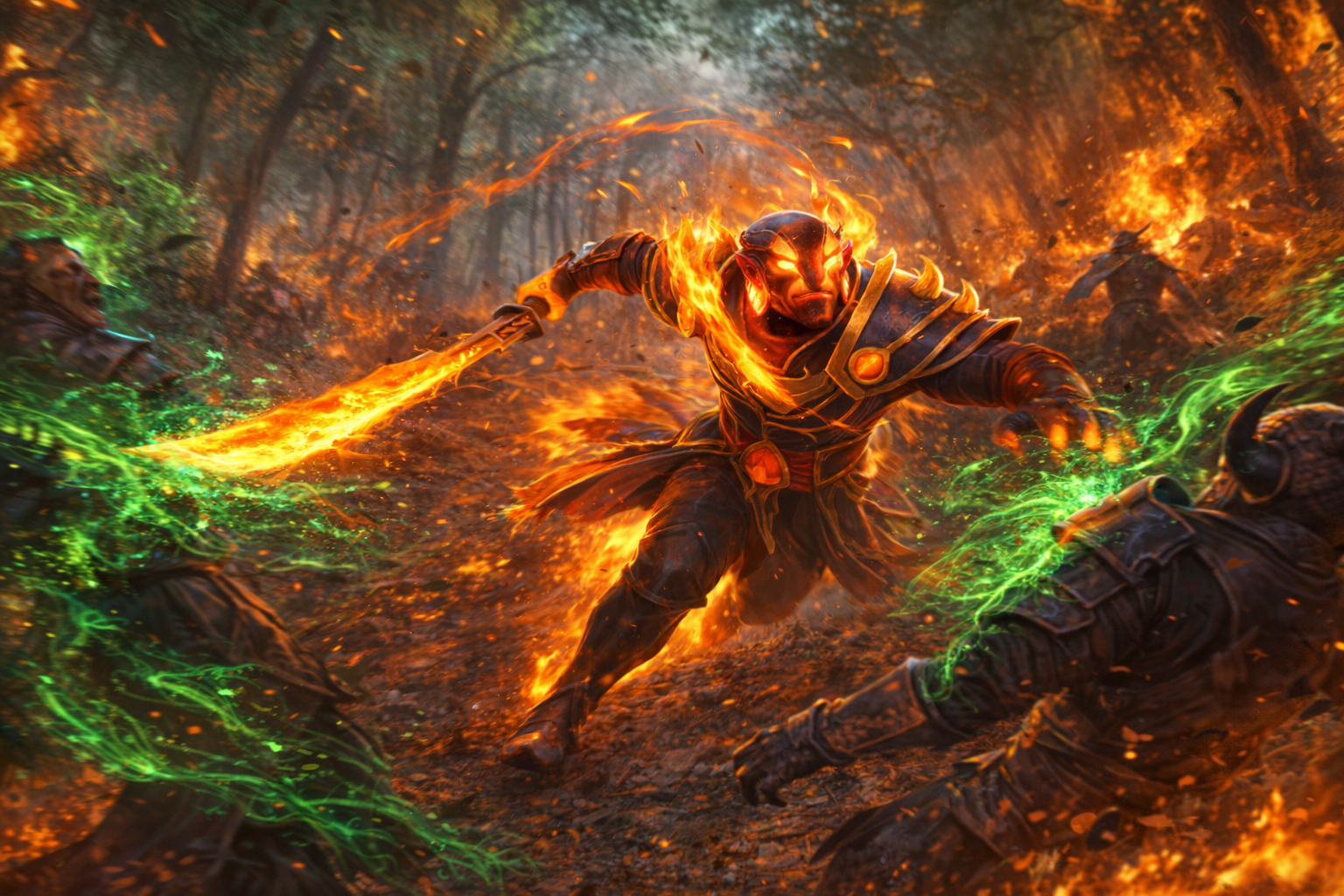
Ember Spirit loves touching fights from odd angles and spreading nuisance before fully committing. Pangolier spends fights in extended contact windows where incidental attacks happen constantly. Hoodwink thrives on tagging targets from outside the danger zone. Monkey King can threaten from trees, skirmish around edge positions, and punish clumped movement. These heroes don’t contort their game plan to make Mage Slayer good. The item just slides neatly into what they already do.
That matters because Dota usually balances powerful debuffs through risk. If a hero has to walk into your range and stay there, you can punish the application. When the best Mage Slayer buyers are evasive, mobile, or naturally elusive, that punishment window gets much smaller.
Multi-target value makes every fight lopsided
Single-target anti-caster tools are one thing. Dota is full of them. The balance problem gets sharper when one item starts influencing several heroes in the same fight.
Once the debuff spreads across multiple frontliners or spell-based cores, the entire shape of a fight changes. Your Death Prophet walks in with less pressure. Your Earth Spirit gets the jump but doesn’t threaten the same collapse. Your Timbersaw soaks space but can’t force the same retreat. Your Primal Beast commits a huge body and major cooldowns for output that suddenly looks negotiable.
That’s where the “one tag” problem becomes a strategic issue instead of a personal annoyance. It’s rarely about one hero being reduced. It’s about a fight opening with your side’s spell damage profile kneecapped across several bodies before real commitment even starts.
Why Spell-Based Frontliners Hate It So Much
These heroes need respect on first contact
A lot of spell-heavy cores don’t win through slow, patient scaling inside the fight. They win through immediate pressure. You enter, threaten lethal or near-lethal output, and force movement, panic, or resources. That respect is your armor.
When Mage Slayer cuts into that first wave of damage, the enemy gets to stand their ground for longer. That extra second is everything in Dota. It creates room for repositioning, saves, counter-initiation, and return fire. Heroes that once made the fight chaotic on entry suddenly look like they overcommitted.
Primal Beast is a perfect example of the problem in broad terms. The hero wants the opening to feel violent and undeniable. If that opening gets blunted, you’re left with a giant body inside the enemy team, taking focus, with much less payoff. The same principle hits Earth Spirit, who relies on explosive follow-up and layered control tied to meaningful spell damage. Timbersaw wants to stand in the middle of multiple heroes and make that proximity unbearable. Death Prophet wants her timing windows to overwhelm teams before they can calmly reset around her.
None of these heroes enjoy a fight where the enemy can shrug at the first commit.
BKB becomes less of a power spike and more of a tax
The worst gameplay pattern is when a defensive item stops feeling like a strategic choice and starts feeling mandatory just to function at baseline. Mage Slayer can push some matchups in that direction.
If your hero is heavily reliant on magic output and wants to enter contested space, BKB starts reading less like “now I’m strong” and more like “now I’m allowed to play.” That difference matters. Dota is healthiest when itemization opens several viable branches. It gets stale when one debuff pressures the same answer every game.
That doesn’t mean BKB is bad, or that every spellcaster should avoid it. It means a cheap enemy item influencing your purchase timing that heavily will always generate resentment.
The Hidden Strength: Mage Slayer Is Comfortable
A huge reason the item catches so much heat is that it doesn’t ask buyers to sacrifice much. Specialized counters are easier to accept when the buyer gives something up elsewhere. Mage Slayer often feels smooth on the way in and smooth after completion.
You get a useful combat profile. You get sustain-oriented comfort that helps heroes stay active on the map. You get stronger lane-to-midgame stitching. You get a debuff with real fight impact. That package makes the item attractive even before you account for the specific anti-caster angle.
And that’s when item discourse gets heated in Dota. Players can tolerate a brutal counter item when it’s narrow, awkward, or heavily situational. They get much less patient when the same purchase also improves farming flow, skirmish rhythm, and general survivability.
The Case for the Item Staying Strong
There is a real argument in its favor, and dismissing it misses the point.
Spell damage has to live under pressure from somewhere. Dota already has long stretches where magical burst and spell-based tempo define the pace of pub games. If every mobile universal-ish skirmisher or utility core lacked access to a meaningful anti-spell purchase, plenty of lineups would feel helpless the moment a midgame caster gets rolling.
The game needs friction. It needs ways to punish lazy drafting and one-dimensional damage profiles. If your whole lineup leans on magical output and none of your cores can threaten towers quickly, scale hard enough on physical damage, or force awkward item decisions out of the enemy, you should feel some draft pressure.
Mage Slayer also isn’t equally amazing on everyone. Plenty of heroes don’t want it. Plenty of games don’t revolve around it. There are matchups where the item is good rather than warping, and there are drafts where buying it early delays something more important. That’s why you don’t see every core mindlessly rushing it every game.
The issue isn’t that the item exists as anti-caster tech. The issue is that when it’s numerically generous enough, the line between “smart answer” and “automatic buy” gets very thin.
What Counterplay Actually Exists
Break the application pattern
If the enemy hero needs repeated, easy touches to keep fights under control, your job starts before the main spell combo. Vision, smoke angles, and initiation order matter more than usual.
Jumping the Mage Slayer carrier first can be worth more than jumping the greedier damage target. That sounds backwards until you watch an entire fight hinge on whether your spellcaster gets to operate at full value for the first few seconds. If the enemy Ember or Hoodwink is free to orbit the edge and spread the debuff, your ideal target priority on paper often collapses in practice.
Force them into real item decisions
Drafts and builds that spread damage sources naturally punish overreliance on anti-spell tech. If one core deals mostly physical damage and threatens objectives while another brings magical control, Mage Slayer still has value, but it stops solving the whole fight. The more your lineup can present mixed threats, the less one debuff can flatten your game plan.
This also applies at pub level in a simpler form: don’t let all your hopes sit inside one hero’s magic burst window. If your draft only functions when one spell-heavy core gets a clean first round, a single efficient counter item will feel suffocating every time.
Buy timing, not just immunity
The easy answer is always BKB, and sometimes that is the correct answer. But there are games where the better adjustment is tempo. Hit your item timing sooner. Take the earlier objective. Force the map while Mage Slayer is still on one hero instead of two. Dota punishes waiting around for the perfect inventory more than players like to admit.
The item gets nastier as fights become longer, cleaner, and more structured. Messy early map pressure can deny that comfort.

Why It Warps Pub Games Faster Than Pro-Level Games
Coordinated Dota can distribute responsibilities cleanly. Pub Dota rarely does.
In a stack or organized setting, you can draft around damage spread, assign jump priorities, protect the spellcaster’s first entry, and call target switches with discipline. In pubs, one debuff landing on the wrong hero often means half the team still commits as if nothing changed. The fight becomes disjointed immediately. Your frontliner goes in assuming kill threat that no longer exists. Your supports throw follow-up into a target that should be dying but isn’t. The enemy gets the easiest reset in the world.
That’s why Mage Slayer can feel more oppressive in everyday matchmaking than on paper. The item creates invisible fight-state changes, and pubs are terrible at reacting to invisible fight-state changes.
A Black King Bar activation is obvious. A big save spell is obvious. A Mage Slayer tag often registers only after the damage disappoints. By then the fight is already going sideways.
The Real Design Tension
Dota needs offensive answers to spell-heavy heroes. That part is fine. The tension sits in how interactive the answer feels for both sides.
The healthiest anti-caster tools create decisions. They invite positioning battles, timing windows, punish opportunities, and tradeoffs in itemization. Mage Slayer starts feeling ugly when it drifts toward passive certainty, where the buyer keeps all the convenience of a natural game plan and the target loses a huge portion of impact from routine contact.
That’s why the item provokes such strong reactions. It shrinks one of Dota’s most satisfying experiences: committing a spell-based hero into the middle of a fight and making everyone panic instantly. When a cheap, comfortable purchase turns that moment into a shrug, the game feels flatter.
And flat is the one thing Dota can never afford to be.