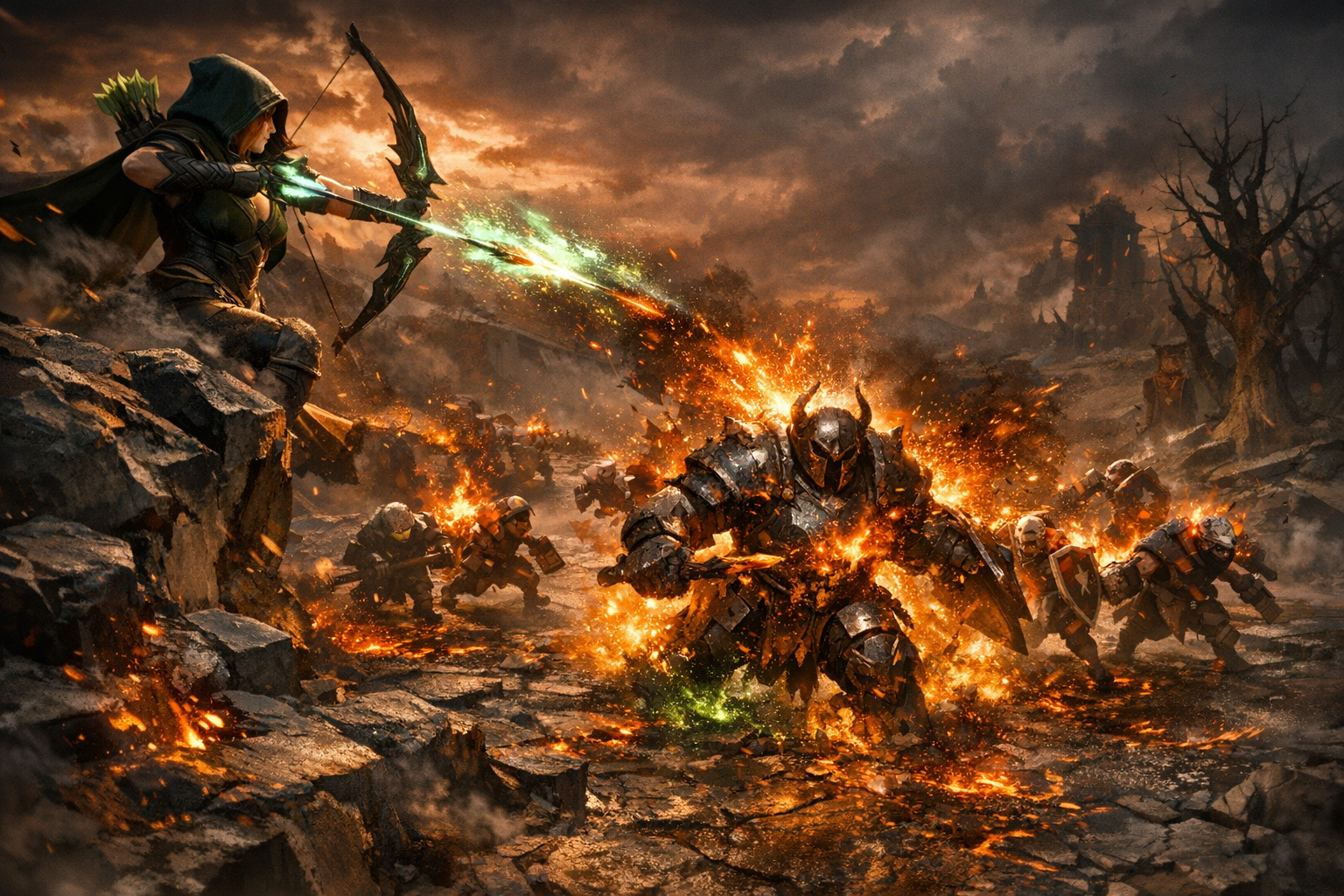
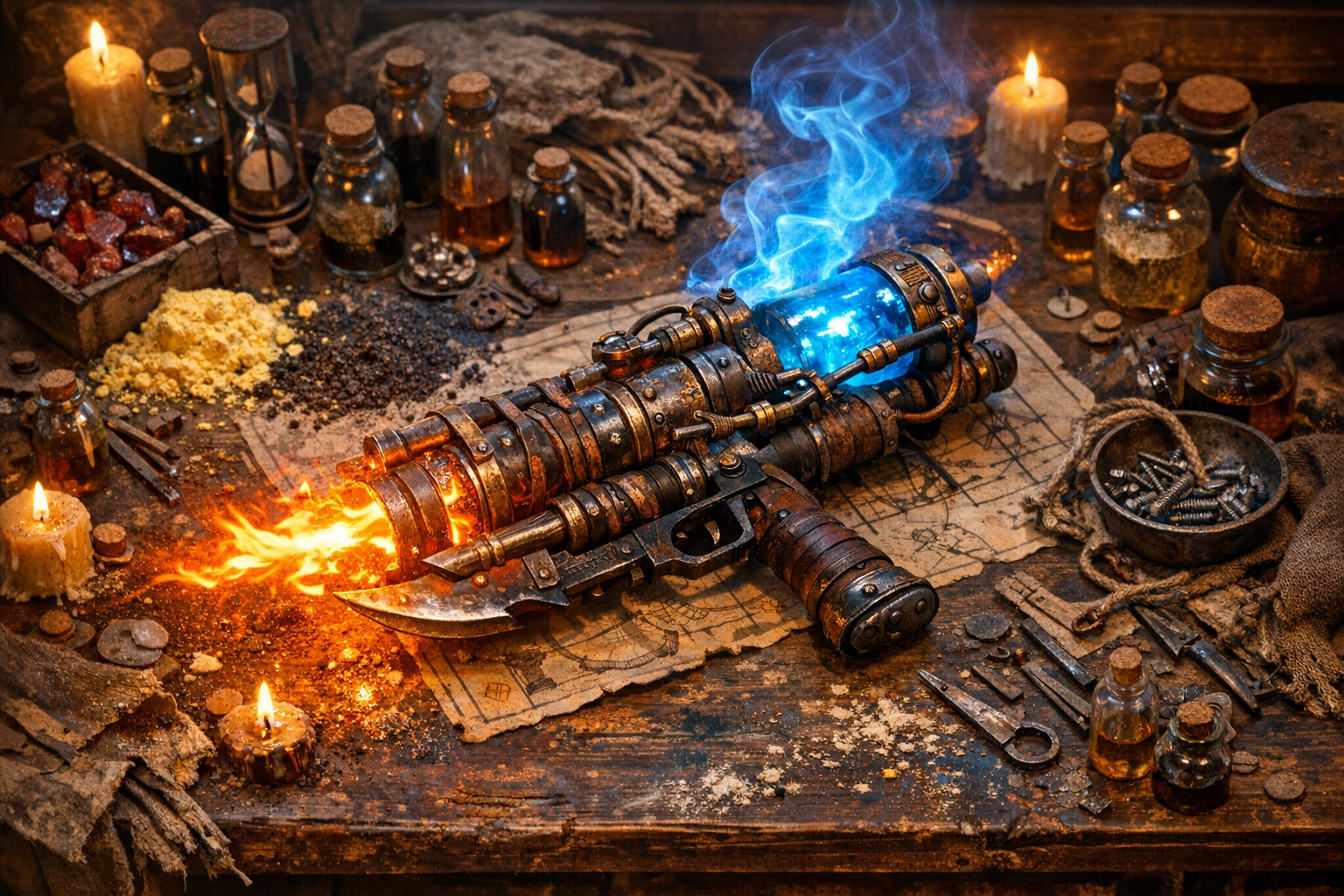
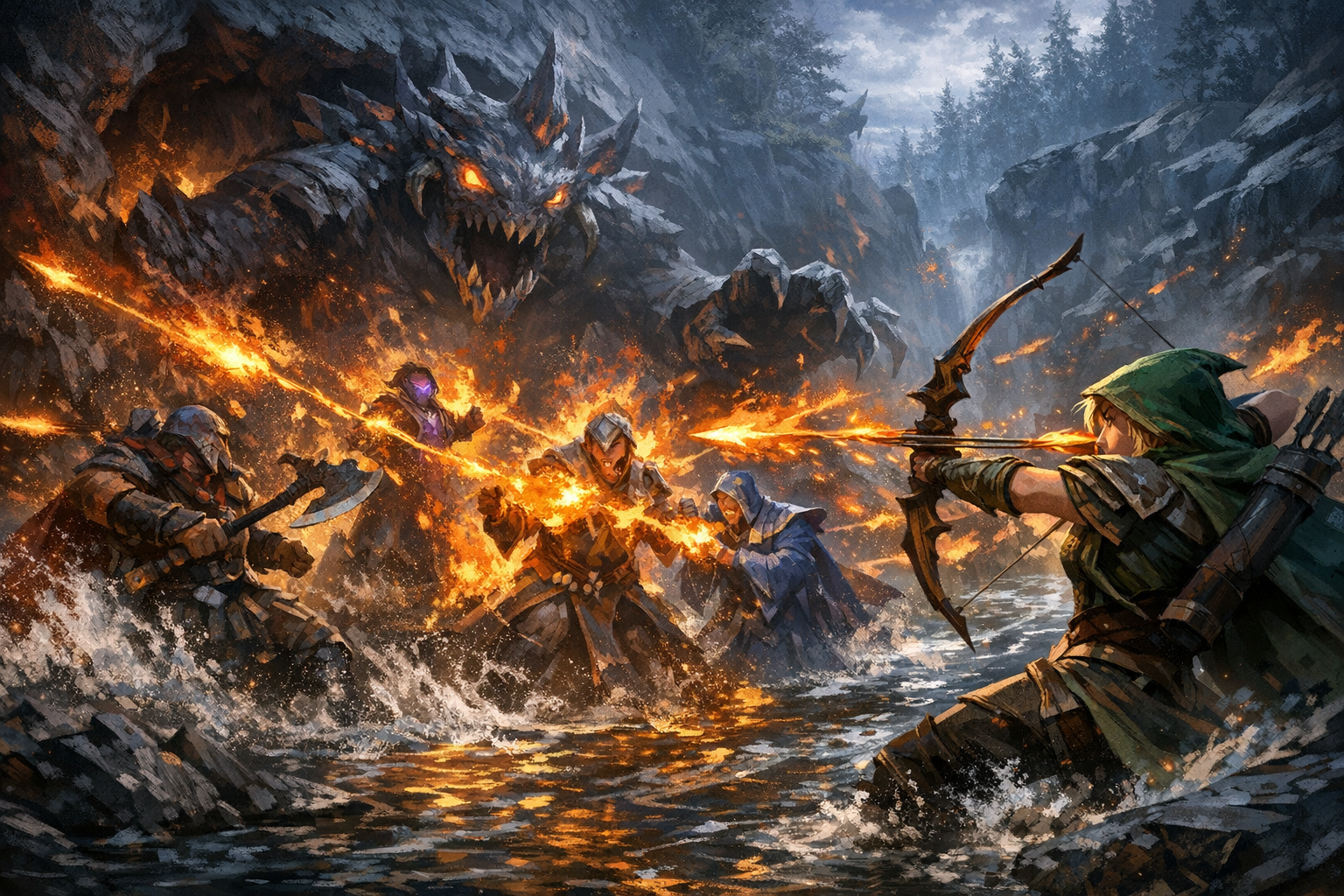
Everybody has had that game already. The enemy ranged core shows up with a new toy, your frontliner walks up like he always does, and suddenly every hit is painting the fight in splash damage and percentage-based burn. Your screen fills with extra particles, your tank starts melting faster than expected, and half the lobby decides the item must be busted. That read is too shallow. Hydra's Breath matters because it changes what ranged carries are allowed to buy early, what kinds of heroes they threaten, and what they give up to get there.
The easy myth is that Hydra's Breath turns any ranged right-clicker into an unstoppable siege engine. What it actually does is much more specific, and that specificity is exactly why the item is interesting. It opens a new lane between pure farming acceleration and pure survivability, then asks whether your game really needs mixed damage pressure on durable heroes more than it needs mobility, control, or raw tempo.
A New Item With a Very Familiar Temptation
Every time Dota gets a new carry item, the first week follows the same script. People see a clean build-up, stats that feel efficient, and one flashy line of text that looks absurd in a fight. Then pubs flood with copycat builds. Some of that sticks because the item is genuinely good. Some of it evaporates once players run into the real cost of an inventory slot.
Hydra's Breath landed squarely in the sweet spot for experimentation. The components are friendly. You don't feel like you're buying dead parts on the way to the finished item. That's a huge deal in actual games, where itemization lives or dies on the path as much as the destination. If your buildup gives you bits you can use immediately, people will test it faster and force it into more drafts.
That alone gives the item momentum. Ranged carries have spent a long time filtering their early and midgame options through a pretty narrow set of questions. Do you need Maelstrom-style farming and wave clear? Do you need Pike because positioning is the difference between dealing damage and feeding? Do you need Skadi because the enemy lineup demands anti-heal and stickiness? A new item doesn't need to beat all of those at once. It only needs to create one new lane where it clearly outperforms them.
Hydra's Breath creates that lane against high-HP targets and clustered fights where incidental spread matters.
What the Item Actually Changes
The damage profile matters more than the tooltip hype
The most important part of the item isn't that the effect looks dramatic. It's that it changes how your right clicks interact with health stacking. A lot of ranged carries naturally pressure heroes through sustained physical damage. That plan gets much worse the moment the enemy frontline is comfortable buying armor, raw HP, or both while your own item progression is still trying to cover farm, mobility, and survivability.
Hydra's Breath adds a layer of magical pressure tied to the target's maximum health over time. That means your clicks carry a second conversation. You're still doing your usual right-click job, but now every engagement also asks whether the enemy can keep shrugging off chip damage just because they built bulk. Against heroes whose whole game is to stand in your face and soak attention, that extra burn changes the math.
The splash angle matters too. Dota fights are rarely clean one-on-one damage tests. Frontliners stand in front of supports. Strength cores occupy ramps, chokepoints, tormentor areas, pit entrances, and tower approaches with at least one body behind them. If your attacks are pressuring more than one hero at a time, the item's value climbs quickly. You don't need perfect clumping for that to matter. You just need normal Dota spacing, which is often much sloppier than players like to pretend.
It gives ranged carries a different kind of utility
This is where the item gets genuinely healthy for the game. Ranged carries have often defaulted into one obvious farm accelerator because the alternatives felt too punishing for their pace. When one route becomes automatic, itemization gets boring and heroes blur together. Hydra's Breath offers a route where your early investment can contribute in skirmishes against durable cores instead of only chasing creeps and timing windows.
That doesn't make it a pure farming item. It doesn't make it a pure dueling item either. It sits in a middle space where your right clicks become more relevant in messy five-on-five engagements before your inventory fully comes online.
For some heroes, that middle space is exactly what they were missing.
Why the Build-Up Is Doing So Much Work
Players love to talk about finished-item power and ignore how matches are actually played. A clean buildup is often half the reason an item gets labeled overpowered in the first place.
If each component gives lane presence, smoother farming, or better early skirmishing, then the final item arrives without that awkward stretch where you feel weaker while assembling it. That's one reason Pike has remained so dependable for so long. Even before the active saves your life, the parts are useful. The same principle applies here. When a new item asks for affordable, practical pieces, you can slot it into uncertain games without feeling like you're griefing your timing.
That flexibility matters more in pubs than on a draft board. Most pub games don't hand you a crystal-clear item script. You don't always know in minute six whether the offlaner will become unkillable, whether your team will group early, or whether your support duo will create enough space for greed. An item with a forgiving path lets you keep options open while still progressing toward something that can matter in fights.
That is real power. It just isn't the same thing as being broken.
The Real Competition: Pike, Mjollnir, and Skadi
Hurricane Pike still solves problems this item never will
The biggest restraint on Hydra's Breath is simple: ranged carries live and die on positioning. Every theorycrafted damage spike gets embarrassed when a gap-closing core reaches you once and the fight is over. Pike remains one of the most reliable answers to that problem because it creates distance on demand and gives you a way to keep hitting.
Hydra's Breath offers no comparable panic button. If your games are being decided by jump threat, vision gaps, or heroes that punish static positioning, then damage spread and health burn won't rescue you. You'll just die with a nice-looking inventory.
This is why the item won't become universal, no matter how loud first-week reactions get. Some matches are simply asking one question: can your ranged core maintain spacing under pressure? If the answer is shaky, Pike keeps winning the slot.
Mjollnir still owns the classic farm-and-DPS lane
There is also a reason old farming staples keep surviving balance cycles. They do one job with brutal clarity. They speed up your map pattern, clean waves, and keep your net worth climbing. When your hero wants to hit a major timing through accelerated farm rather than through mixed damage skirmishing, that old path still makes perfect sense.
Hydra's Breath can pressure heroes in fights. That doesn't automatically mean it farms better, scales better in every game, or replaces the entire concept of lightning-based itemization for ranged cores. If your draft needs you to vacuum the map and show up with a larger inventory, direct farming acceleration remains a huge selling point.
That distinction matters because players often confuse "felt strong in fights" with "best first core item." Those are different claims.
Skadi still brings a different kind of late midgame control
Skadi has always been about more than stats. When your target needs to be slowed, kited, and cut off from sustain, that item changes the texture of a fight. Hydra's Breath doesn't do that job. It pressures HP pools and spreads damage through nearby units. Useful, yes. Interchangeable with Skadi, no.
If the enemy lineup depends on healing through your damage or escaping the moment you finally connect, then the cold orb still answers a more urgent problem. The item slot conversation gets brutal fast once you reach that stage of the game. Dota inventories aren't generous. Every pickup has to justify the opportunity cost.
Which Heroes Actually Like It
The best users are ranged right-clickers who can apply sustained attacks in extended engagements and don't immediately fall apart for skipping a mobility item. They want fights where a frontliner exists, another hero is standing nearby, and the battle lasts long enough for the burn to matter.
That makes the item appealing on heroes who naturally keep hitting from stable positions rather than heroes who rely on a one-window burst pattern. If your carry wants to stand, fire, and grind through layers of HP, Hydra's Breath starts to look coherent. If your hero's whole identity is jumping one target and deleting them before anyone reacts, the item often reads clunky.
It also favors games where the enemy team presents obvious body blocks. Strength offlaners, aura carriers, save supports standing too close, summons around objectives, crowded tower defenses. Any fight where one hit can produce value beyond the primary target boosts the purchase.
Why some melee carries secretly love seeing it
There is a sharp pub-level punishment baked into the item's popularity. When a flashy new damage piece enters the game, plenty of players start buying it in matches where they actually needed protection, status resistance, or repositioning. That creates a very familiar Dota problem: ranged carries with one more offensive tool and one less answer to being collapsed on.
Melee burst heroes love that. If the enemy backline skimps on defensive slots because they're chasing percentage burn value, they become much easier to reach and kill. This is how first-week item metas often self-correct. The item itself can be good while its blind adopters feed because they ignored what the game was asking for.
So yes, Hydra's Breath can make a ranged core feel terrifying when it's hitting freely. It can also turn that same hero into free gold when the inventory skipped the basics.
The Tank Question
A lot of the excitement around Hydra's Breath comes from one broad frustration: tanky heroes have been obnoxious in pubs for ages. When frontliners hit their item timings, many ranged cores feel forced into repetitive solutions. You either go around the tank and try to kill supports first, or you accept that your right clicks aren't doing enough until later.
This item gives a more direct response. You can start punishing the big body in front of you without fully committing your whole build to anti-tank specialization. That's why the effect feels immediately noticeable. Durable heroes are used to controlling the pace of contact. Once every attack is carrying extra burn and spread, just existing in front becomes less comfortable.
Still, anti-tank tools can be overrated in chaotic pubs. Plenty of games are decided by pickoffs, vision traps, and who loses buyback discipline around Roshan. If you buy Hydra's Breath every match because one opposing hero has a large HP pool, you're solving one line on the loading screen while ignoring the rest of the draft.
The item shines when the frontline problem is central to the game. When that problem is secondary, the slot gets much harder to justify.
Why Early Impressions Are Split
The item feels amazing when its conditions show up
Hydra's Breath has the exact profile of an item that creates polarized reactions. In the right game, every hit seems to overperform. You see spread value, visible burn, pressure on tanks, and a buildup that never felt painful. That produces instant believers.
The item feels mediocre when the game asks for something else
In a different match, the enemy spirits are on top of you, the offlaner is threatening initiations from fog, and your team needs wave clear or a defensive active more than extra burn. In those games the item can feel underwhelming fast. You paid for damage texture while the map demanded safety or speed.
Both reads can be true because the item is specialized in a way that doesn't look specialized at first glance.
What This Means for Pubs Right Now
Expect to see the item a lot for a while. New options with smooth components always flood matchmaking. Some heroes will keep it because it genuinely rounds out their damage profile. Some players will drop it after realizing they miss their usual farming pace or defensive button. The noise will settle once builds stop being aspirational and start being matchup-based.
If you're the ranged core player, the real lesson is simple: buy Hydra's Breath when your attacks are likely to connect for a long time against durable, layered targets. Buy something else when survival, catch, or map speed is the actual gate on your game.
If you're playing against it, don't panic over the particles. Punish the greed. Force awkward fights. Jump the backline before the item gets free value through your tank. Spread better around objectives. A lot of "OP" items look much fairer once you stop donating perfect conditions.
Hydra's Breath deserves attention because it widens a stale decision tree for ranged carries. That alone makes 7.41 more interesting. The strongest version of the item won't be the one spammed by everybody. It will be the one bought by players who understand exactly which fight they are trying to win.