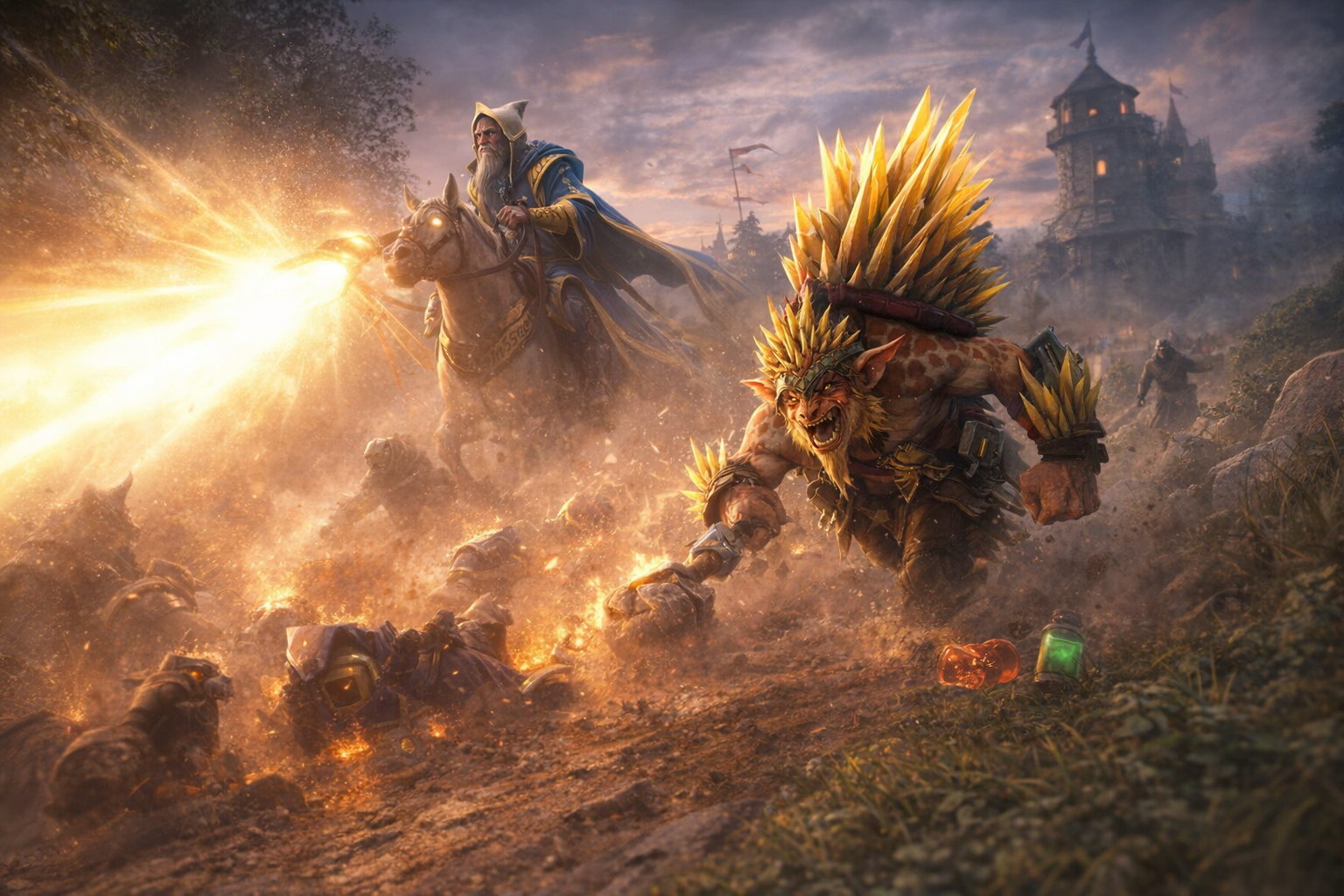
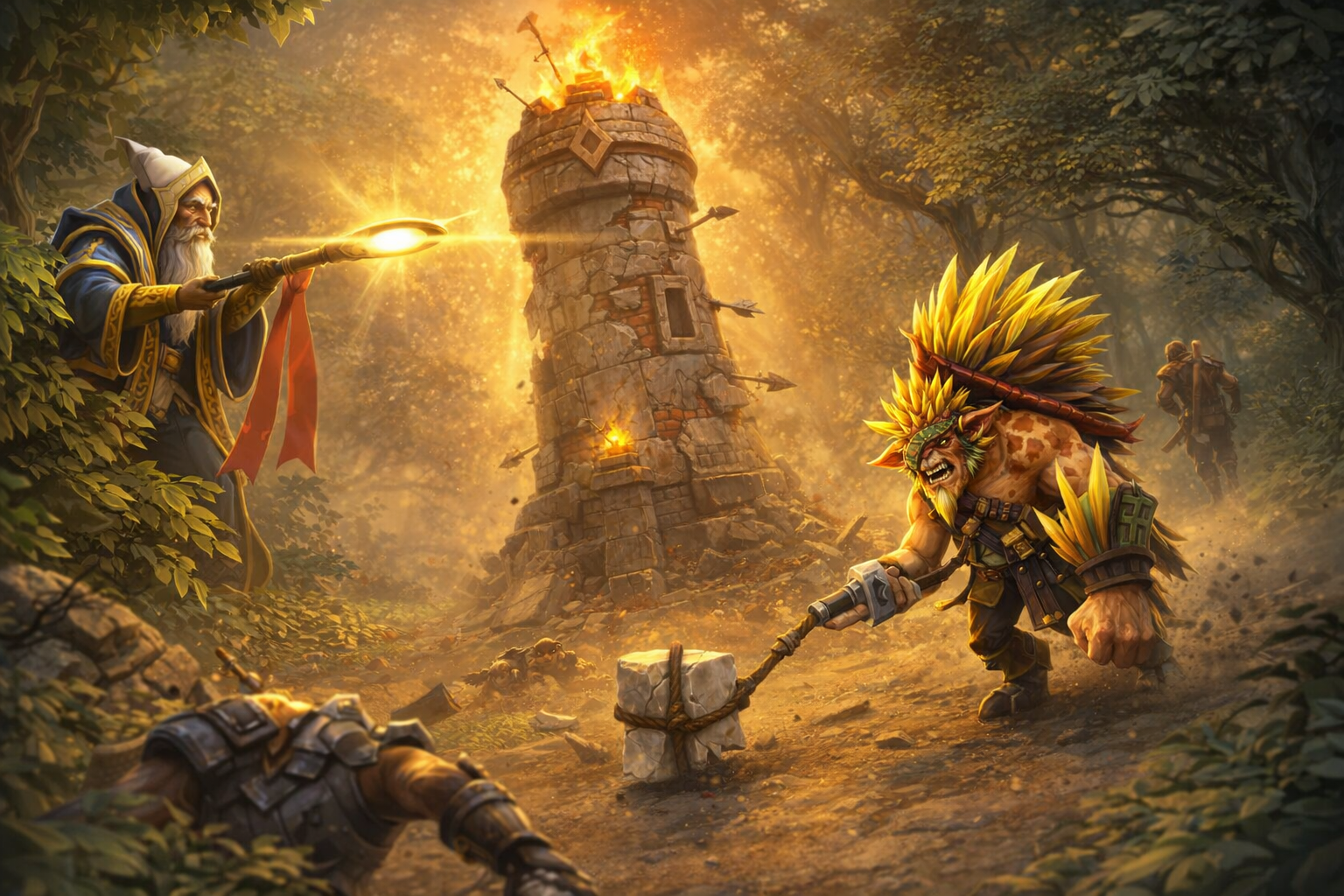
You know the lane. The first wave barely meets and your support is already chugging regen. Keeper of the Light is blasting the creep wave, the offlaner is sprinting at your tower with a stick full of charges, and five minutes in your carry has that familiar thousand-yard stare of someone preparing to jungle on half an item. If you walk into that lane with a normal pub script, you’re volunteering to get run over.
KotL with Bristleback or Undying wins games because it forces bad reactions. People panic, overtrade into stronger early spells, and keep trying to salvage a lane that has already stopped being playable. The answer starts when you stop treating these pairings like regular offlanes and start treating them like a timed map problem. You are dealing with a lane that wants to spike fast, convert lane control into stacked resources, and drag your safelane into the mud before your lineup comes online.
What These Lanes Are Actually Trying to Do
Keeper of the Light turns annoying offlaners into oppressive ones because he fixes the part of their lane that should be weak. Bristleback and Undying both love drawn-out skirmishes around creeps. KotL gives them the ability to keep the wave moving, refill pressure, and force you to farm in exactly the place they want to fight.
With Bristleback, the lane is about attrition and tempo. Bristle wants long trades, wants to get on top of the creep wave, and wants your support trapped in a lane where every spell cast turns into wand value and every extra second means more Quill pressure. KotL helps him reach the point where the lane stops being about CS and starts being about survival.
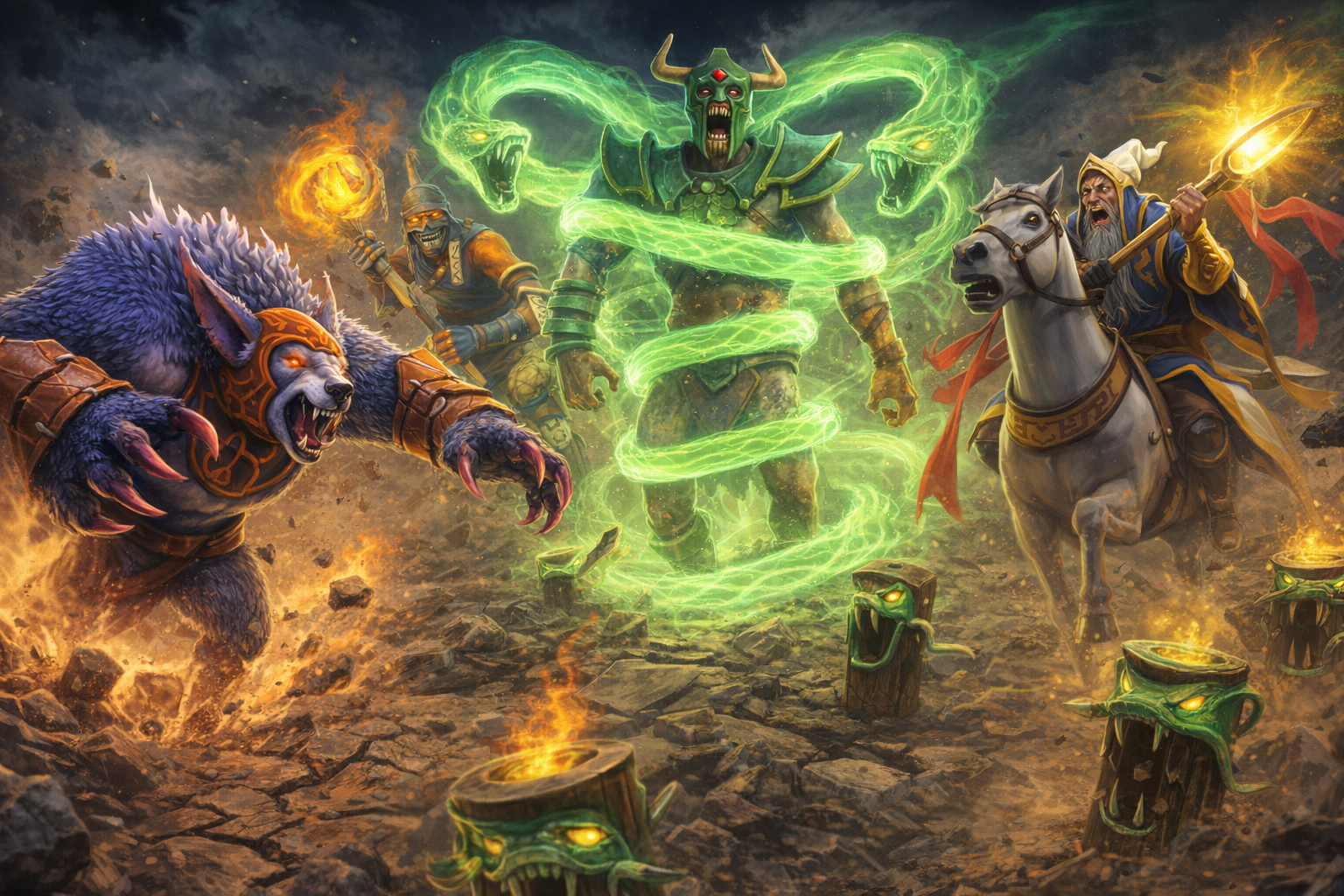
With Undying, the lane is more brute force. Decay makes stat trading miserable, Tombstone punishes overcommitment, and KotL’s wave shove creates repeated moments where you’re choosing between losing creeps or stepping up into a bad fight. That duo doesn’t need elegant execution. It needs you to stand where they can hit you.
The common thread is simple: they want to own the wave, own your pull options, and turn their early lane lead into stacks and tower damage. If you only plan for the first six minutes in lane, you’re already behind.
Draft to Survive, Then Draft to Punish
The biggest mistake in draft is picking a safelane duo that only functions if the lane is stable. Against KotL lanes, stability is the one thing you should never expect.
You want a carry who can do one of two jobs. Either he can stay in lane without becoming free food, or he can leave early and farm jungle without his game collapsing. If your carry needs a babysitter until minute ten and has no way to recover from a lost lane, you’re drafting directly into their win condition.
Carries That Refuse to Die in Lane
Weaver stands out because he can absorb a lot of lane chaos without feeding. He’s slippery, hard to pin down, and doesn’t hate being left alone for stretches if the map elsewhere is paying off. Ursa can also work when paired with a support that actually threatens kills instead of just trying to sustain. Juggernaut remains useful because he has built-in lane recovery through Healing Ward and can disengage from pressure with spin when fights get ugly.
The other route is early jungle access. Luna and Sven have historically been good examples of carries who can stop pretending the lane is normal and start extracting farm from the map. That matters because KotL lanes are strongest when you keep queueing up for the same losing trade. If your carry can step away efficiently, the lane loses some of its teeth.
Supports That Aren’t Dead Weight
Your five needs to do something concrete. Sustain helps, but sustain alone often just prolongs the beating. You need range creep control, a real disable, body presence, or the ability to threaten side angles.
Shadow Shaman gives you kill threat. Treant can trade through a lot of nonsense and protect the carry. Clockwerk can force awkward fights and punish overextension. Mirana helps secure ranged creeps and turns any committed enemy movement into a potential arrow punish. Dazzle can keep a lane alive longer than it deserves to survive if your carry understands how to trade around that sustain.
What you cannot afford is a support that loses every trade, can’t contest pulls, and contributes nothing if the lane gets shoved under tower. That kind of support gets erased by KotL lanes.
The Lane Starts Before the Horn
These duos are often planning a resource funnel, not just a lane win. That means your preparation has to include their camps.
One of the nastier patterns is using KotL’s wave control to create time for stacking nearby camps, then letting Bristleback or Undying convert those stacks into a second layer of advantage. A lane that already pressures your carry becomes much worse when it also has a private bank account sitting in the triangle or nearby jungle.
Block camps with purpose. Don’t throw a random sentry into the obvious pull spot and call it a day. Think about which camp their lane pattern actually depends on. If their support can quietly stack a nearby camp on the minute while still maintaining lane pressure, that camp matters. A hidden block on a high-value camp can remove an entire follow-up plan before they even notice it.
You should also be willing to cut trees in lane if the matchup depends on vision and approach angles. KotL loves weird fog positions. Dueling him from predictable paths is asking to eat free harassment. If opening the lane gives your support cleaner movement and your carry better reads on channeling positions, that’s worth the gold.
Stop Playing Their Mini-Game
A lot of safelanes lose here because they become obsessed with answering every shove. KotL blasts the wave, you try to drag it back. Bristle runs at you, you try to full trade. Undying drops Tombstone, you panic-commit into a bad area. You’re reacting to every prompt they offer.
That is exactly how these lanes snowball.
Secure the Important Creeps
Range and flag creeps matter more than your pride. If you can reliably secure those and avoid hemorrhaging deaths, the lane is often healthier than it feels. Pick spells and heroes that can contest those moments. Losing a melee creep is annoying. Losing the important creep while also eating half your HP bar is how the lane becomes unrecoverable.
Respect Their Level Windows
There’s a point where these pairings go from annoying to genuinely unplayable in a straight 2v2. You need to identify that timing before it hits, not after your carry dies under tower. Once they reach the level and spell threshold where every step forward becomes dangerous, your objective changes from winning lane to minimizing what the lane can take from you.
That’s where strong teams separate themselves. They don’t stay for an honorable final stand. They rotate, fake movement, protect jungle entrances, and make the enemy lane waste time defending a pressure that never comes.
Rotation Is the Real Counterplay
The cleanest answer to KotL plus Bristleback or Undying is often refusing to give them the game they drafted for.
These lanes are built to dominate one area early. They are much less elegant when forced to respond across the map. Keeper of the Light and Undying are terrifying when they’re already standing on top of your carry. They are much less impressive as proactive gankers chasing mobile cores into uncertain fights. Bristleback also prefers straightforward map states where he can occupy space and dare people to hit him.
If your carry can hold or abandon lane without collapsing, your supports and mid can punish other parts of the map. Attack the lanes that are actually vulnerable. Force teleports. Make their supposedly dominant offlane choose between sitting in place and winning less, or rotating and breaking their own pressure pattern.
This is where portals and quick map movement become especially useful. A lane that wants to grind one matchup into dust hates seeing kills happen elsewhere while it’s still posturing in front of a tower. If you can create repeated uncertainty around where your supports are showing, the enemy offlane starts using teleports defensively instead of snowballing freely.
Fake the Rotation, Keep the Farm
A smart trick against oppressive lanes is showing just enough movement to trigger a response, then disengaging and returning to your efficient farm pattern. You’re not trying to run a magic play every minute. You’re trying to make them waste time and cooldownless map resources on the wrong read.
That matters because KotL lanes are strongest when every second is spent converting lane control into the next objective. If they burn teleports or shuffle around the map to answer ghosts, your carry gets precious breathing room.
Kill Lanes Still Work, If They’re Real
There is another route: hit them first and hit them hard.
A genuine kill lane can crack KotL pairings before they stabilize, especially against Undying. The keyword is genuine. This does not mean “we have some slows and maybe enough damage if they mess up.” It means you have chain control, burst, and a carry who actually wants to fight early.
Ursa with a support like Shadow Shaman is a good example of the idea. If Undying steps too far for Decay stacks or KotL drifts into a vulnerable position after wave shove, you can turn the lane into repeated punish windows. Those heroes are oppressive when they’re dictating distance. They are much less comfortable when the response is immediate lockdown and lethal physical damage.
This approach demands discipline. If your lane is built to kill, every spell and every creep equilibrium decision should serve that purpose. Don’t draft aggression and then play for passive sustain. Don’t pick chain disable and then spend the first four waves ceding position. Commit to the lane identity.
The Pugna Question
Pugna deserves mention because he attacks one of the lane’s habits directly. A good Nether Ward placement punishes heavy spell usage and can make wave-shoving patterns feel awkward. He also contributes building damage and skirmish utility once lanes break.
The catch is that Pugna lanes need structure. If he is hiding a ward while your core is getting walked at with no backup plan, you’ve solved nothing. Pugna works when your duo is already prepared to let the lane push, play around spell punishment, and convert that friction into better trades or rotations.
He’s a tool, not a cheat code.
Small Edges That Matter More Than People Admit
Wand Charges Are Part of the Matchup
These lanes often hand out stick and wand value like candy. Pick heroes who can actually exploit that sustain. A lane that can turn enemy spam into survivability stretches the window before things become desperate.
Boots Timing Changes Everything
Movement speed matters a lot against KotL lanes because the entire matchup is about distance. Faster heroes dodge the worst follow-up, contest side pulls more reliably, and can disengage before attrition stacks too high. Greedy lane items that delay mobility can get punished hard.
Block the Hard Camp, Not Just the Easy One
People tunnel on the obvious support pull camp and miss the camp that fuels the next stage of the lane. If the duo’s plan includes post-lane farming through stacked neutral camps, denying that option can reduce how hard their lane win converts into a game win.
Don’t Feed Tombstone Fights
Against Undying pairings, the easiest way to lose control is taking a bad commitment around Tombstone because the lane already feels irritating. If you cannot kill the Tombstone quickly or kill a hero through it, disengage cleanly. Giving them a chaotic reset fight is exactly what they want.
What This Means in Your Average Pub
You don’t need flawless teamplay to beat these lanes. You need the right priorities.
Pick a carry with an exit plan. Pick a support who can either threaten kills or keep the lane functional without becoming a creep. Block the camps that matter. Secure the valuable creeps. Leave before the lane hits its ugliest timing. Force the enemy offlane to decide whether it wants to keep bullying one hero or respond to a map that is moving around it.
That last part is the one most players ignore. Pub teams keep trying to “solve” a dead lane with more bodies. Then the dead lane becomes a mass grave. KotL plus Bristleback or Undying wants attention. It wants overreactions. It wants your safe lane to become the center of the game.
Treat it like a trap, step around it, and make them prove they can play Dota once the script is gone.