You know this game. You win a lane hard, drag two supports top, force the enemy carry into the woods, and still watch the whole map catch fire because your team took a fight into their triangle without vision. Next game you absorb pressure for 15 minutes, hit every ugly timing you can, and your reward is getting flamed for having fewer kills than the mid. Offlane has always been the role where you do a lot of the dirty work and almost none of it shows up cleanly on the scoreboard.
That’s also why offlane is one of the clearest roles for climbing. The position touches every part of Dota that decides real games: lane control, map movement, tower pressure, fight structure, itemization, and the rhythm of when your team is allowed to play. If you want to move from long-term grinder to genuine high-MMR threat, the change usually starts with a brutal realization. You are not climbing because your hero pool is too small or because your carry griefed one more lane equilibrium. You climb when your offlane decisions start creating simple games for four other people.
Offlane MMR comes from game shape
A lot of players approach offlane like it’s a test of laning mechanics plus one signature initiator. Win lane, buy aura or blink, start fights, pray. That version of the role plateaus hard because modern Dota punishes one-dimensional offlaners. If your whole game is "jump first," you become readable. If your whole game is "survive lane," you drift into irrelevance once cores scale past your first timing.
Climbing on offlane means shaping the game in phases.
In lane, your job is to establish what kind of game the enemy carry is allowed to have. During the first map break, your job is to decide where heroes are forced to show. In midgame fights, your job is to create a front line that either isolates a target or makes key enemy spells awkward to cast. Different heroes do that in different ways, but the underlying skill is the same. You stop thinking only in terms of your own hero and start thinking in terms of what parts of the map become playable because you exist there.
That mindset shift changes hero choice too. You stop picking comfort on autopilot. You start asking cleaner questions. Does your lane need a ranged body that can secure creeps and threaten the carry? Does your team need tower pressure from summons or auras? Do you need a durable initiator who can start fights through vision disadvantage? Do you need a hero who cuts waves and buys time while your other cores farm? Once you filter your picks that way, your pool gets tighter and stronger.
Laning: stop trying to win every trade
The biggest trap in offlane laning is ego. Too many players think lane dominance means constant aggression. Real offlane pressure comes from making the lane expensive for the enemy carry.
That can mean beating him up, but it can also mean securing every ranged creep, dragging waves when the lane is broken, forcing support rotations, or making the wave sit in a place where the carry has to choose between farm and health. If you’re melee into a rough matchup, clean last hits matter more than proving you can click the carry six times before level three.
That’s a huge reason some players move toward ranged offlaners or lane-stable heroes when the patch punishes melee CSing. Death Prophet, Viper, and similar lane bullies reduce variance. You get to play Dota earlier. You force responses. You don’t spend the first five minutes begging the game for permission to approach the wave.
Secure your own game first
The lane has an order of operations.
First, get your own experience. Then secure the dangerous creeps. Then pressure the enemy carry when the wave state lets you. If you reverse that order, you end up with the classic offlane disaster: half HP, no resources, level behind, and telling yourself the lane was "close." It wasn’t close. You just spent your early game buying fights instead of buying levels.
Melee offlaners especially need discipline here. If the lane is hard, cut the greed out of your movement. Walk for the ranged creep. Accept the trade if it gives you the important CS. Pull aggro cleanly. Use your body to protect the equilibrium instead of roleplaying a position four. You don’t need a highlight. You need a path to your first real item and your first point where the map opens.
Macro wins more offlane games than combos do
The climb from high Ancient through Divine and into Immortal is full of players who know their hero spells. What separates the ones still climbing is macro discipline.
Offlane macro starts with lane assignment after the first tower falls or after the lane becomes unplayable. Too many offlaners stay in dead space because they feel responsible for that side of the map. You’re responsible for pressure, not geography. If your hero can occupy the dangerous lane safely, do it and force reactions. If your hero spikes with one more item and feeds if shown first, move into the area where your team can connect.
Force the map to answer you
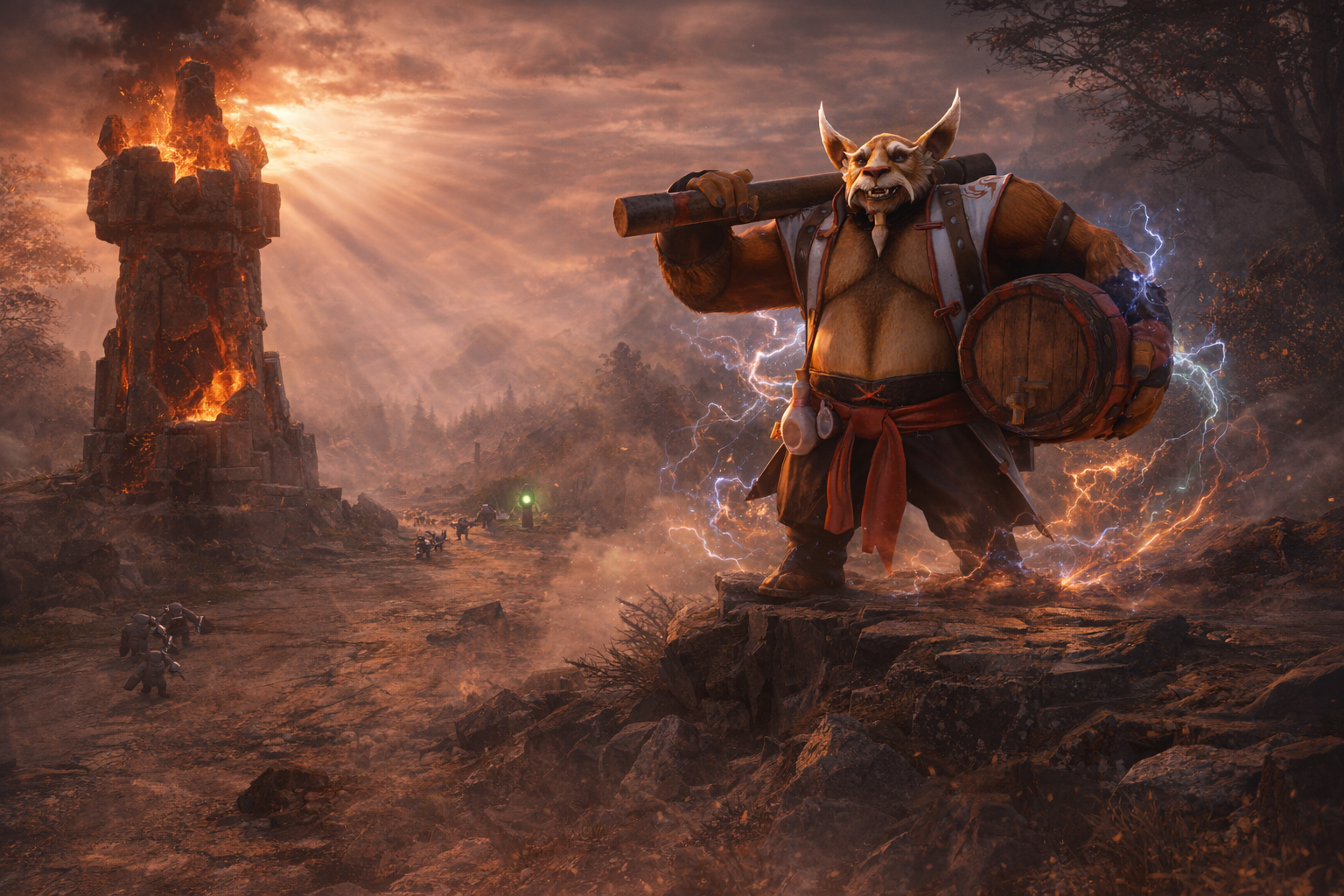
Heroes like Dark Seer, Timber, and Brewmaster are valuable because they create miserable questions for the enemy team. Leave them alone and they shove waves, farm dangerous areas, or threaten towers. Commit heroes to deal with them and the rest of your team gets breathing room.
That breathing room is one of the most misunderstood currencies in Dota. It doesn’t show up as net worth on your hero. It shows up as your mid getting one extra camp rotation, your carry farming one more wave before retreating, your supports walking into river with numbers instead of fear. Offlaners who climb consistently generate that space on purpose. They do not wander into it by accident.
When you hit your first timing, ask one question before every move: what response am I demanding? If the answer is "none," your move probably lacks pressure. Hitting the safest camp on your side while the enemy carry free-farms and their supports deward your jungle is not a move. It’s a pause.
Teamfights: your job is to simplify the screen
A lot of offlane advice around fights turns into generic noise about initiation. That misses the point. Your real job is to make the fight legible for your team.
Sometimes that means starting on the obvious target. Sometimes it means standing in front so the enemy can’t easily reach your backline. Sometimes it means splitting the fight in half so their carry and supports aren’t casting on the same screen. The common thread is simplification. You remove options from the other team.
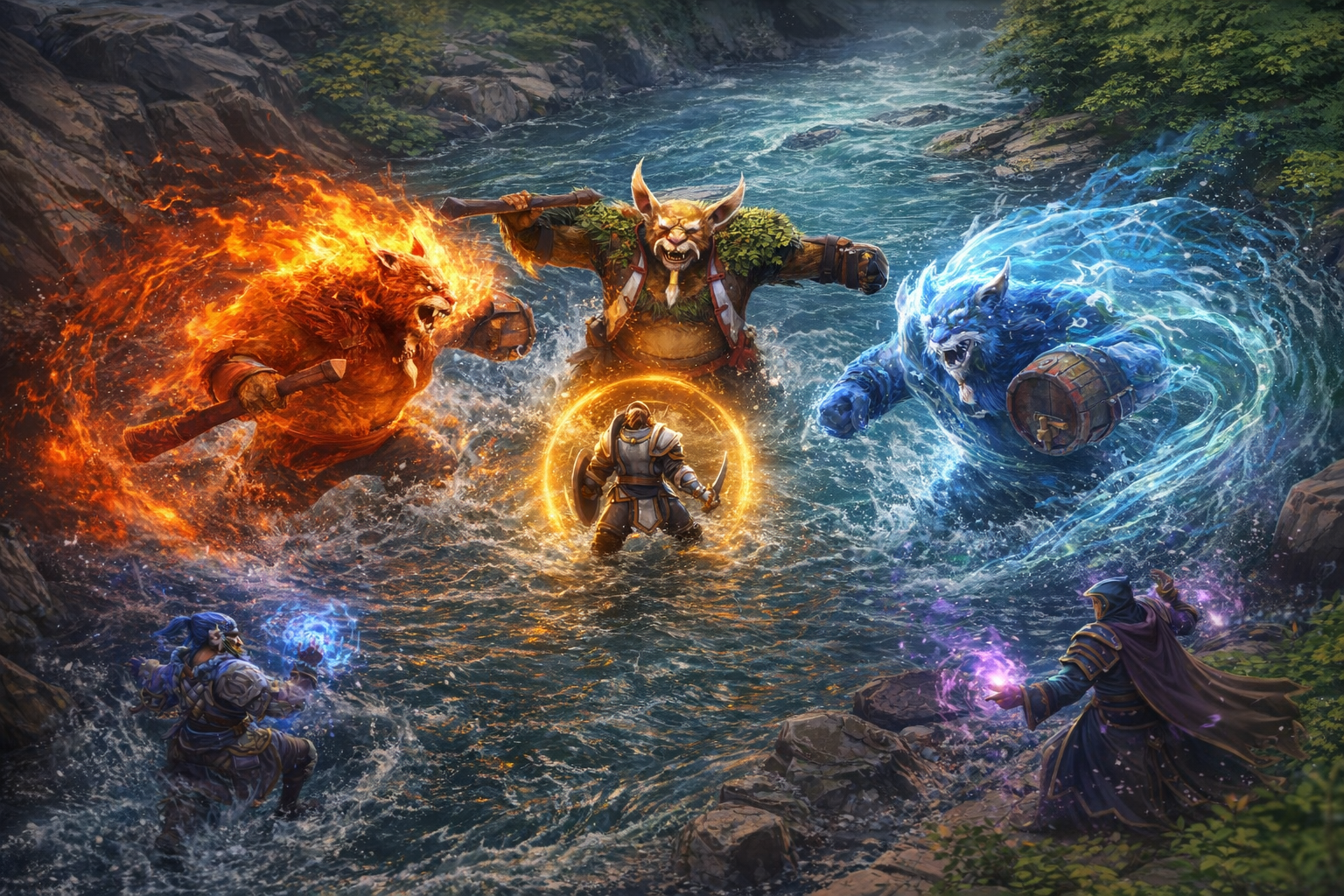
Brewmaster is a great example of this principle when played well. The hero can turn a messy fight into a sequence. One target gets controlled, one support gets chased out, one core loses access to the center of the fight, and suddenly your team is playing a clean numbers game. The mistake many players make with Brew is treating the split as a panic button or as a damage spell. It’s a structure spell. You’re rearranging the fight.
Brewmaster rewards clarity, not chaos
If you’re spamming Brew, your build only matters if the game plan behind it is coherent. Rushing a greedier item can look amazing in free games and miserable when the enemy lineup kites summons, disengages, or threatens your body before you can fully commit. Brew thrives when your item choices help you reach the first good split on time and actually connect it to a tower, a Roshan setup, or repeated map control.
The hero also exposes a common offlane flaw: overcommitting to one big button while ignoring the entry point. If you enter the fight late, split after your team already burned resources, or send brewlings chasing low-value heroes across half the map, you waste the hero’s best quality. Brew is strongest when you choose the axis of the fight immediately. Control the dangerous core. Zone the save hero. Occupy the area around the objective. Make every enemy movement feel cramped.
Against lane matchups that punish him early, the answer usually starts before items. Respect the lane. Fix creep equilibrium. Get the levels that make the hero function. If you survive to your active timings without donating the lane, Brew still gives you one of the best fight-shaping kits in the role.
The current offlane pool says a lot about the patch
Look at the heroes that keep showing up in climbing pools: Brewmaster, Mars, Timbersaw, Dark Seer, Lycan, plus ranged pressure picks when melee lanes feel miserable. That collection tells you exactly what the patch rewards.
It rewards offlaners who come online with purpose.
Mars gives you clean catch and fight control. Timbersaw punishes lineups that can’t remove him from contested lanes. Dark Seer accelerates map speed and fight entry. Lycan puts a timer on towers and punishes teams that refuse to answer side pressure. Brewmaster twists fights into shapes the enemy lineup hates. None of these heroes depend on your carry becoming active early. They create initiative on their own terms.
Why Lycan still terrifies unprepared pubs
Lycan is the purest expression of offlane punishment in pub Dota. If your lane is stable and your early game isn’t delayed, the hero starts forcing structural responses. Towers become fragile. Isolated heroes become food. Supports lose freedom to stand in lanes by themselves. Teams that drafted greed suddenly need to defend map space they never planned to protect.
That’s why Lycan works so well for climbers who understand when to hit buildings and when to hunt. The hero punishes hesitation from both sides. If the enemy is late to react, objectives fall. If your own team is indecisive, you can still convert side pressure into vision, farm denial, and forced TPs. You don’t need a perfect five-man move every minute to create value.
This style also teaches a broader offlane lesson: every push hero demands a read on enemy teleport patterns. The strongest Lycan players don’t just run at towers. They watch who can show, who already revealed elsewhere, and whether the next wave will chain into another objective or bait an overreaction.
Herald to high MMR: the advice changes less than people want
Lower-rank offlaners often hunt for advanced tricks when the biggest gains are painfully basic.
Pick heroes you can lane on. Heroes that secure creeps and survive bad support pairings are worth more than niche counters you barely play. If melee CSing feels awful in the patch, there is no shame in using ranged pressure picks or lane-stable cores while you tighten fundamentals. Climbing does not reward aesthetic suffering.
Keep your pool small enough that your early levels are automatic. If you still have to think hard about starting trades, spell usage, or how your hero recovers from a bad first wave, your pool is too wide. You want brain space for map reads, support positioning, and item adaptation.
The fastest improvements are boring
Watch your own first eight minutes. Count how many ranged creeps you lost because you wanted an unnecessary trade. Count how often you walked into fog without a purpose. Count how often you stayed in a lane one wave too long after the enemy support rotation. Those errors feel tiny while playing and enormous in replay.
Then look at your first two midgame decisions after laning. Did you push the dangerous lane and leave before the trap closed? Did you connect to your team around a real timing? Did you hit the tower with information, or because hitting towers feels productive? A shocking number of losses begin in that stretch, when offlaners either accelerate the game properly or disappear into random camps waiting for someone else to call a move.
You do not need flawless mechanics to climb from Herald or Crusader as an offlaner. You need lane stability, a hero pool that reaches items consistently, and enough map awareness to stop donating your strongest phase.
Counterpicking matters, but only after competence
A lot of offlane players get seduced by draft theory. They start chasing counters every game and end up on heroes they don’t actually understand. Counterpicking is powerful once your baseline is strong. Before that, it often just gives you a theoretically good lane and a practically useless midgame.
The better approach is layered. Start with a small pool of offlaners that cover distinct jobs. One lane bully. One teamfight initiator. One pressure hero. One recovery hero that can play dangerous lanes. From there, counterpick within your competence. If the game screams for Viper and you can actually convert lane advantage into tower pressure and map control, great. If the game suggests Earthshaker but your first 20 minutes on the hero are coin-flip chaos, the draft win evaporates fast.
Strong offlane drafting is less about owning the enemy carry in lane and more about making your team’s map easier to play after minute ten. You can lose a lane slightly and still own the game if your hero naturally fixes the next two phases better than theirs.
Immortal offlane is less glamorous than people imagine
There’s a romantic version of hitting high rank where every game becomes cleaner and every teammate understands your ideas. Reality is harsher and funnier. The games get faster. Punishment gets sharper. People recognize your windows sooner, and they punish your lazy habits with zero hesitation.
That’s exactly why the climb feels satisfying on offlane. You can feel your own game becoming more honest. The random dives disappear. The wasted TPs shrink. Your item choices line up with actual objectives. You stop measuring impact through kill count and start measuring it through map state, forced reactions, and whether fights happen on your terms.
That’s the real tutorial completion in Dota. Rank is just the receipt.