Dragon Knight's Spell Rush Is Crushing Pubs by Ignoring Right Clicks Entirely
You queue into another offlane game expecting the usual dance of pulls, harass trades, and slow creep equilibrium. Then Dragon Knight hits six. Dragon Form lands, the tower starts eating damage from an unreactable stun and repeated Breathe Fire casts, and your team is suddenly defending a free objective while the enemy carry still farms a lane away. The contrast hits hard: most players fixate on item slots and attack damage scaling, yet the games that slip away often trace back to early map pressure that never needed a single right click item to begin with.
Level Six Forces Reactions Before Carries Exist
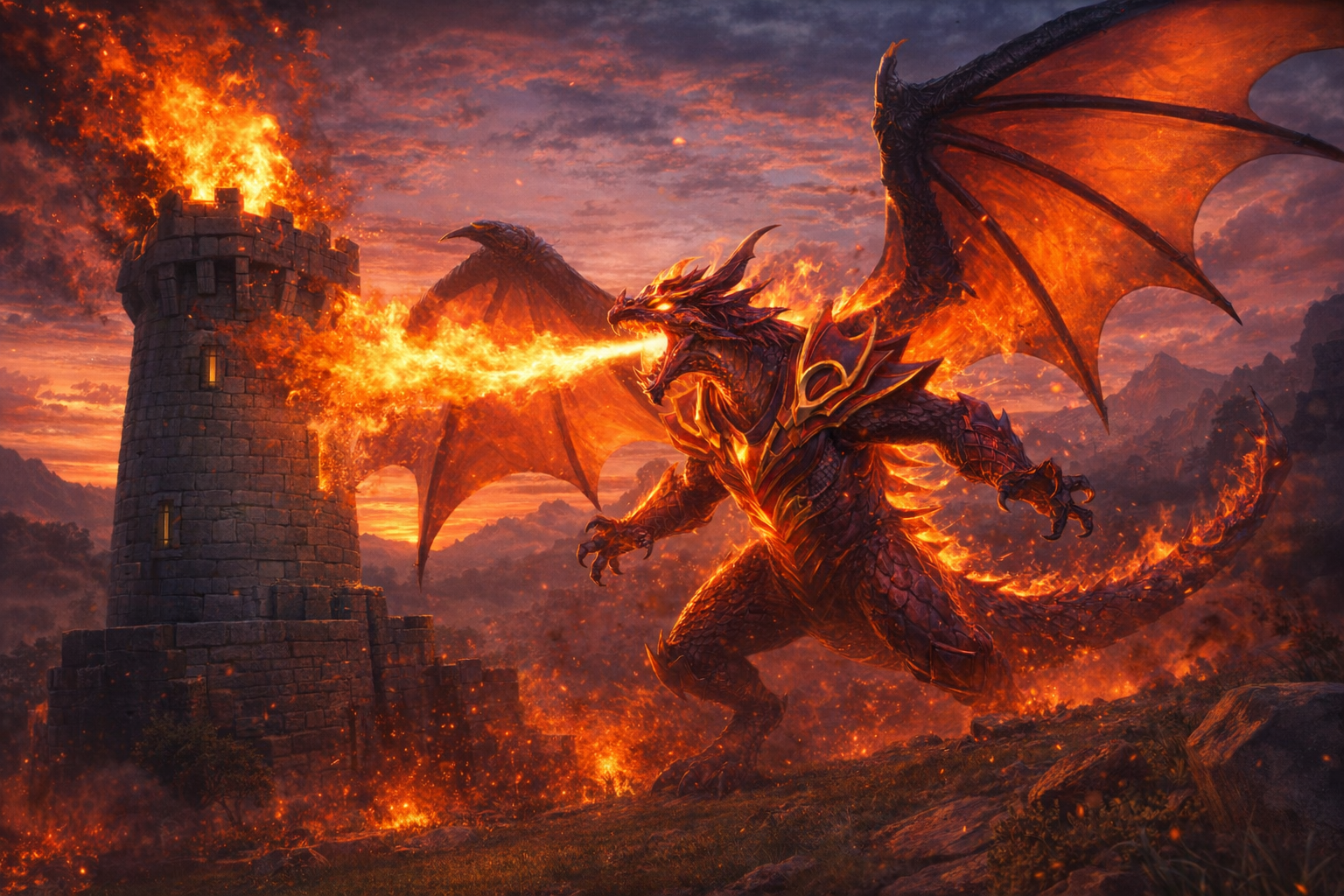
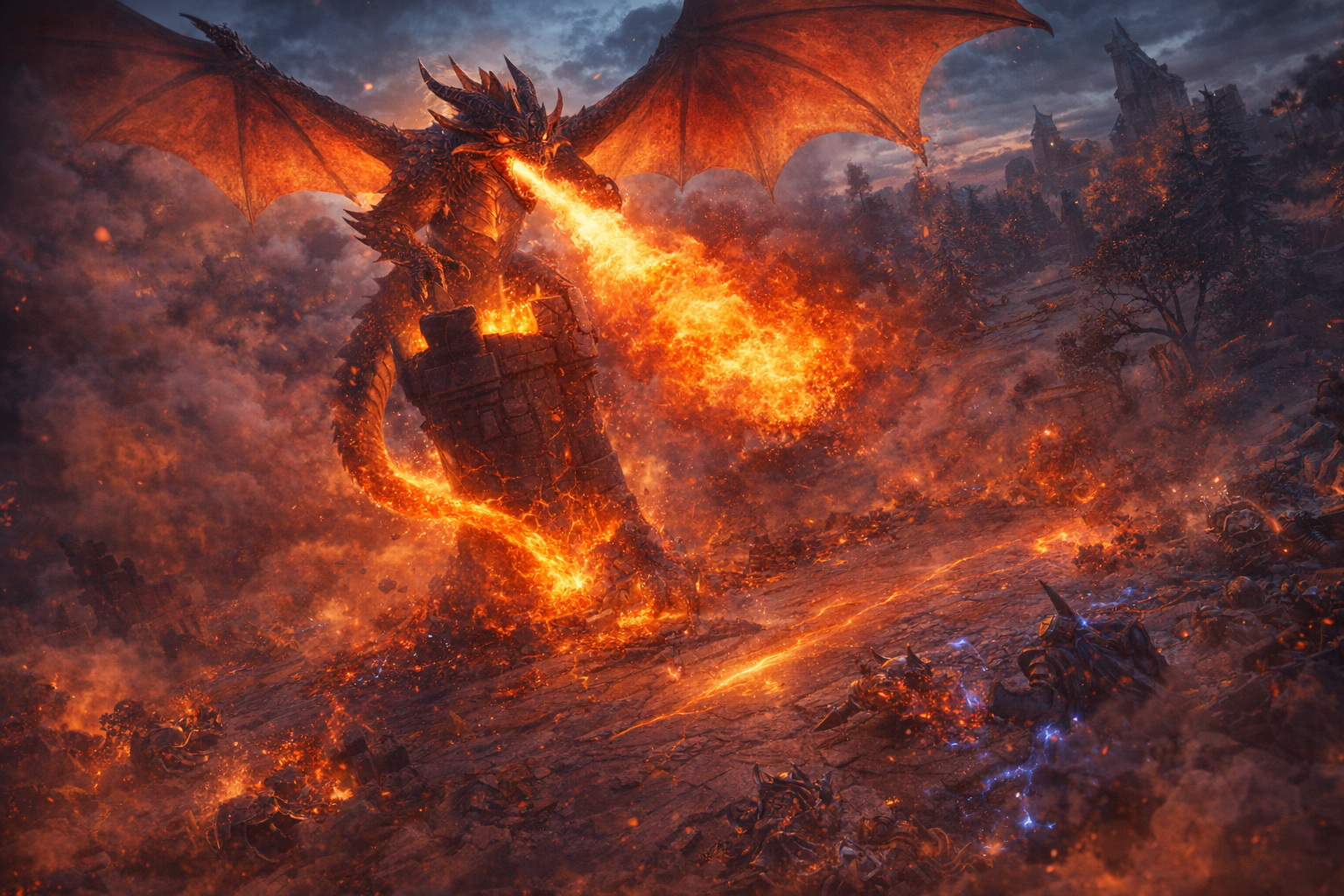
Dragon Knight's dragon form at six creates immediate tower threat because the transformation combines ranged attacks, a long stun, and area damage that melts creep waves. Cooldowns stay low enough that an organized push can repeat the threat multiple times before the opposing midlaner finishes core items. In pubs this timing punishes passive play; teams that do not rotate or trade towers lose map control fast. The hero stays relevant afterward because the same abilities scale into teamfights without needing attack speed or damage items.
Magic Items Deliver Tankiness and Damage at Once
The blink into octarine core path accelerates cooldowns on the stun and breath while adding spell lifesteal that keeps Dragon Knight alive through initiation. Black King Bar follows to secure the engage, and a strength blink later increases both mobility and durability. Dagon as a luxury pickup adds burst that stacks with the existing spell output. The result is high hero damage numbers even when the build skips every traditional right click purchase. Octarine's cooldown reduction turns the level twelve talent that grants wave clear into a near-constant farming tool, letting the hero stay relevant without relying on neutral camps or risky lane aggression.
Flash Farming Limitations When Behind
The same build struggles once the hero falls behind on levels or map presence. Without the level twenty talent that improves farming speed, Dragon Knight cannot recover quickly from lost lanes because the spell kit lacks built-in wave clear until that breakpoint. Teams that fall behind on objectives find themselves defending while the enemy carry accelerates, and the magic-focused Dragon Knight lacks the tools to contest neutral stacks or split push effectively. Supports who take farm from the offlane side compound the issue by starving the hero of the experience needed to reach the stronger talent tiers.
Draft Conditions That Decide Success
The hero covers multiple roles across lanes because the kit provides stun, wave clear, tower damage, and eventual durability. Its primary vulnerability remains break effects that remove the dragon form bonuses and turn the hero into a slow melee target. When supports coordinate to secure vision and take outer towers early, the build thrives by creating space for the rest of the team. When supports instead prioritize their own neutral camps, Dragon Knight loses the map control required to snowball the early advantage into a finished game before the enemy carry scales.