Climbing 500 MMR by Locking Into the Heroes the New Data Exposes
You queue for the first game after reset. The draft screen loads and three players on the enemy side instantly highlight the same carry whose recent high-MMR win rate sits near the top of the charts. Your supports hover between two meta staples that every tracker shows under 48 percent. The game starts, the lanes play out exactly as the numbers suggest, and twenty-five minutes later the post-game screen confirms the spread again.
If your goal this month is climbing 500 MMR by tightening your hero pool to the current high-MMR outliers, the path is straightforward: study the refreshed data, cut the underperformers, and queue only the heroes sitting on the right side of the 42.7 to 58.4 percent window.
What MMR Normalization Actually Revealed
Public trackers now pull from the same pool of 8500-plus players that used to be hidden. The win-rate range widened immediately. Heroes that looked balanced on mixed brackets suddenly show clear separation once the sample is restricted to the top end. That separation is the signal, not noise.
The spread is not uniform across roles. Certain carries and mids occupy the upper half while several supports and offlaners sit at the bottom. When the data stabilizes after normalization, the pattern repeats across multiple days rather than one outlier patch.
Cancer Lancer and the Heroes Sitting at the Top
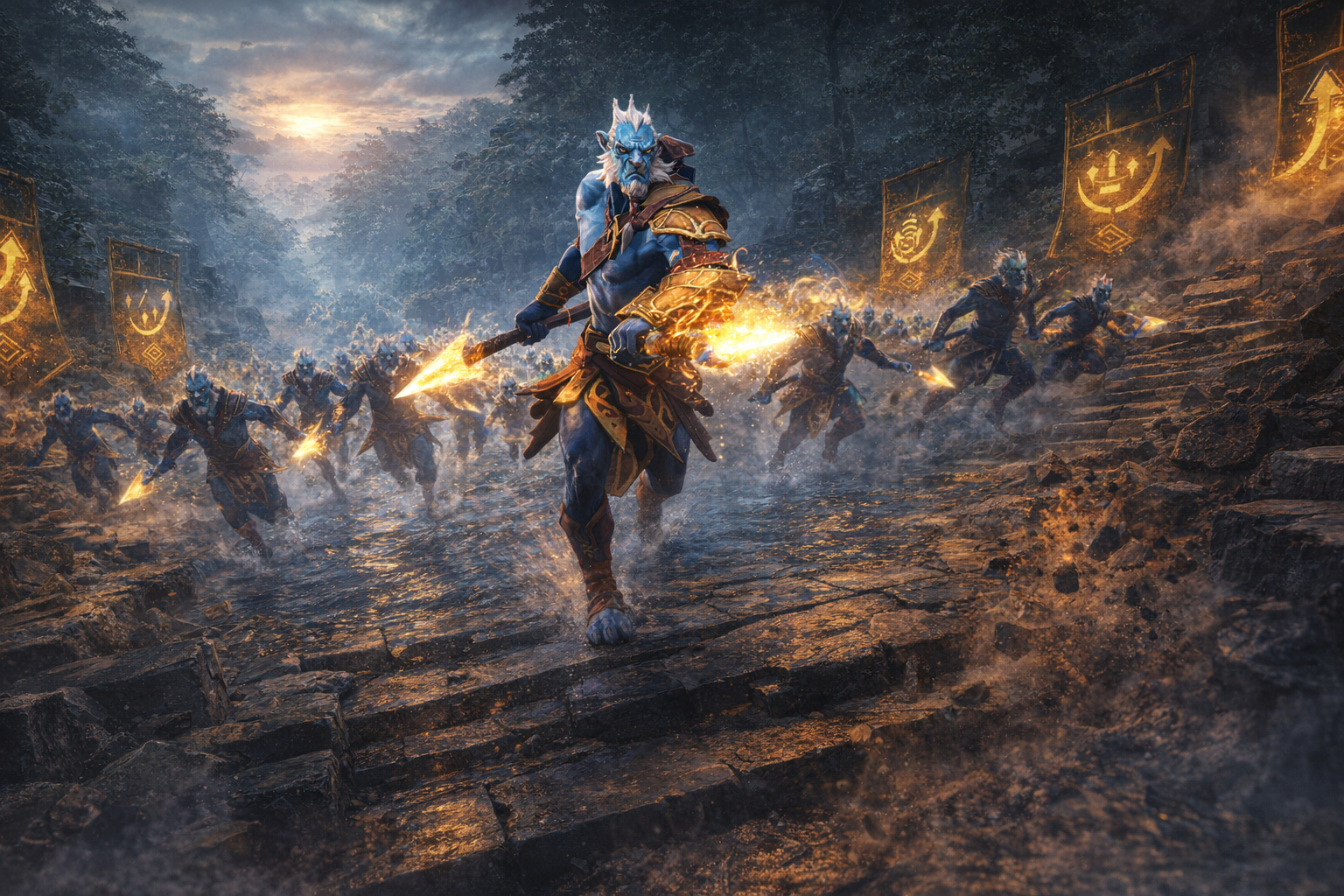
Phantom Lancer has returned to the upper tier. His illusions scale through the mid game in ways that punish uncoordinated responses, and the current item timings let him hit power spikes before most lineups can group. Players who blind-pick into him without specific answers lose the lane and then lose the map.
Other heroes follow the same pattern. A handful of mids and safelane carries post win rates above 55 percent when the sample is limited to high-MMR games. Their kits interact cleanly with the current map state and the most common neutral items. The mechanical edge is small but consistent across hundreds of matches.
The Bottom Half and Why It Matters
At the other end, several heroes sit near or below 45 percent. These are not unplayable in every bracket, but in the environment where players execute at the highest level the deficits become structural. Drafting them requires either extreme comfort or a very specific counter-pick strategy that rarely appears in solo queue.
The gap between the top and bottom cohorts is large enough that forcing comfort picks from the lower group costs MMR over volume. The repeatable system is to drop those heroes from the pool entirely until a balance change moves them.
Pub Impact and Draft Adjustments
In Ancient and Divine games the same heroes appear in most drafts. Teams that blind the strong side win more often because the statistical edge compounds through small decisions. Supports who know the overperformers start buying detection or saving disables earlier. Carries adjust their item builds to the common timings instead of defaulting to the previous patch.