7.41c Hits the Bullies: What This Patch Really Changed in Your Pubs
Everybody knows the feeling. You queue into a normal pub, see the same two or three lane dominators, and the draft already starts to smell bad. Mid gets handed over to a slippery spell-spammer, sidelanes revolve around one overtuned zoo hero or one greed machine that somehow still comes online on time, and by minute fifteen the map belongs to whoever abused the patch better. The myth is that a letter patch barely changes anything. 7.41c says otherwise.
This patch lands where players were already tilting: the heroes that kept showing up, squeezing lanes, dodging punishment, and turning average games into choreographed misery. You can feel the target selection immediately. The point of 7.41c isn’t spectacle. It’s to sand down the worst edges of the pub meta and force some oxygen back into drafting, laning, and timing windows that had become way too predictable.
Letter Patch, Real Consequences
Small patch notes get dismissed because they don’t usually reinvent Dota. That misses what actually matters in ranked. Most games are decided by pressure points that are way more sensitive than people admit: whether a mid hero can secure the first two rune fights safely, whether an offlaner still threatens your safe lane through sustain and summons, whether a greed core can skip early interaction without getting punished.
When a letter patch touches those pressure points, the effect is immediate. Draft priority shifts. Supports get to play different lanes. Mid suddenly has matchups where you can stand your ground instead of spending the first ten minutes pretending a bottle refill solves emotional damage. Pubs start breathing again.
7.41c looks aimed at exactly that. The heroes drawing the most heat before the patch shared a familiar trait. They compressed too much value into too few downsides. They had lane control, map access, scaling, and escape routes that covered mistakes. That kind of hero doesn’t just win games. It warps the decisions everyone else has to make.
Mid Finally Gets a Break
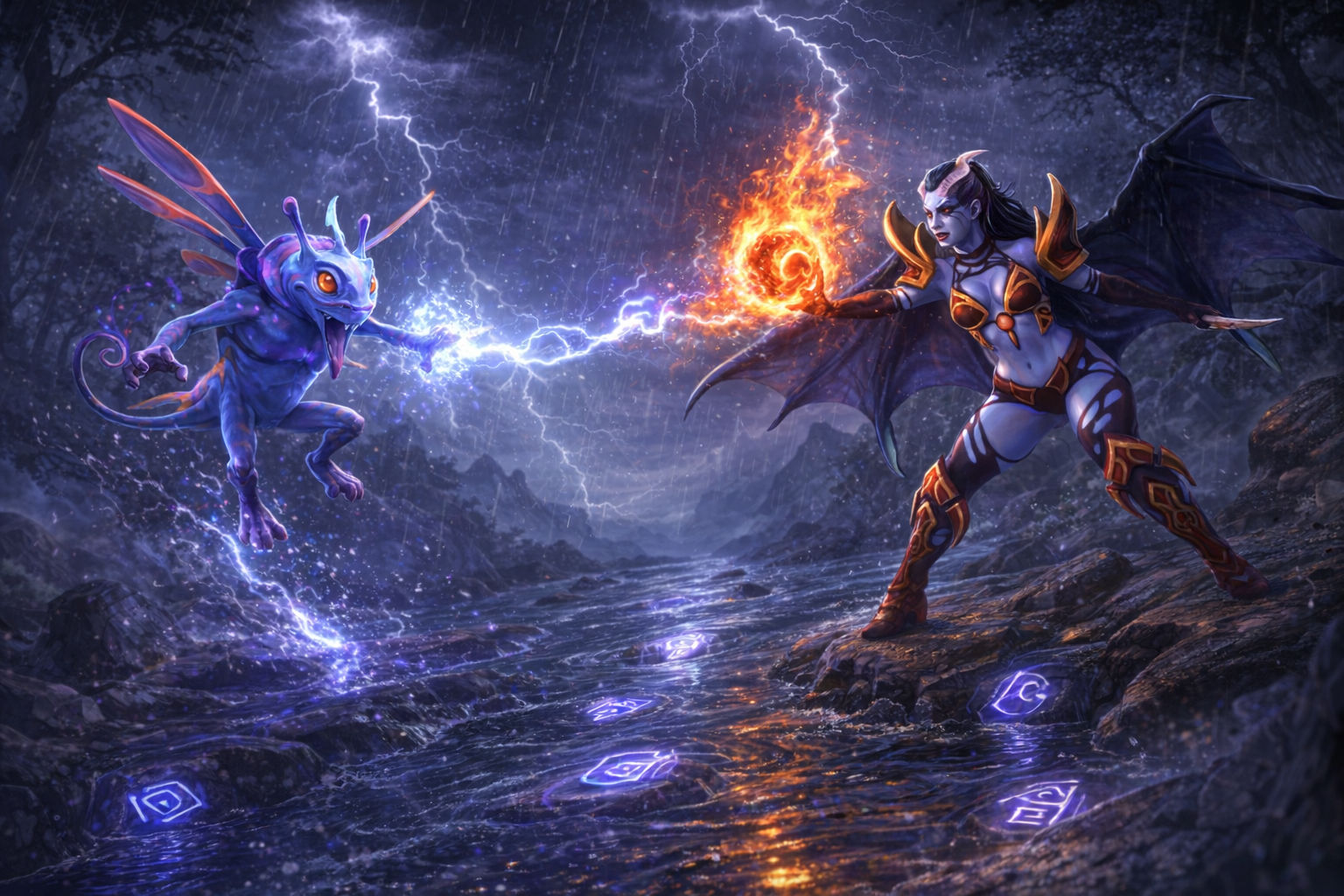
Puck and QoP had too much freedom
If you’ve played mid for any serious stretch, you already know why certain names trigger instant fatigue. Heroes like Puck and Queen of Pain create the same frustration in different ways. They pressure lanes without really exposing themselves. They threaten runes, side lanes, and power spikes from positions that are hard to pin down. They make support rotations feel late before the teleport even finishes.
That style is healthy when the numbers are fair. It becomes oppressive when the lane is too forgiving and the punishment windows are too narrow. You stop interacting with a hero and start managing its inevitability. Once that happens, mid matchups lose texture. The game turns into waiting for the slippery hero to decide where the first real play happens.
A patch that trims those heroes does more than lower win rates. It restores consequence. Miss a spell, take a bad trade, overextend for a ranged creep, shove one wave too greedily, and now there’s a chance the enemy mid can actually answer. That’s a huge improvement for pub quality because mid influence bleeds into every lane.
When these high-mobility mids are overtuned, side lanes feel drafted under hostage conditions. Supports hold spells too long because they expect a rotation. Offlaners overbuy survivability because they assume the first collapse is coming fast. Safe lane carries farm with one eye on the river instead of the wave. If 7.41c reduces that ambient pressure, the whole map opens up.
Why nerfing evasive mids changes pub psychology
There’s a mechanical piece and a psychological piece.
Mechanically, elusive mids punish imperfect coordination. That makes them naturally stronger in pubs than in organized games because the burden of execution falls on the team trying to catch them. One mistimed stun, one support showing on a ward for half a second, one core farming an extra camp instead of connecting, and the opening closes.
Psychologically, they make losing lanes feel worse. You can accept getting out-traded by a solid lane specialist. You can accept eating a gank if you ignored vision. Watching a hero dodge every clean punish attempt and still arrive first to every skirmish creates a different kind of tilt. Players start forcing moves. Forced moves feed games away.
A patch that tones down that pattern usually improves pubs even before anybody understands the exact strongest replacements. The game gets less slippery. That matters.
The Greed Tax Arrives
Alchemist pressure was about pacing, not just farm
Any time Alchemist rises too high, the same argument appears: just pressure him. That advice sounds good until you load into an actual pub with real lanes, real TP reactions, and one support who already left to secure wisdom or stack ancients or fix another lane that is also on fire.
Alchemist is never only about net worth. The real strain comes from the way he bends game pacing. Your team feels rushed to invade, forced to smoke, desperate to convert small skirmish wins into tower damage before his economy turns every trade into a future loss. Even when the Alchemist player isn’t dominating fights yet, he dictates your clock.
Nerfs to that kind of hero are healthy when they create room for normal Dota again. You want a state where Alchemist can still be a strategic pick with clear advantages, but where he has to earn his acceleration through lane execution, map reads, and team cover. Once the floor gets too high, every average Alchemist game starts looking like a good one. That’s when the hero needs to pay a tax.
Lone Druid’s pub oppression comes from reliability
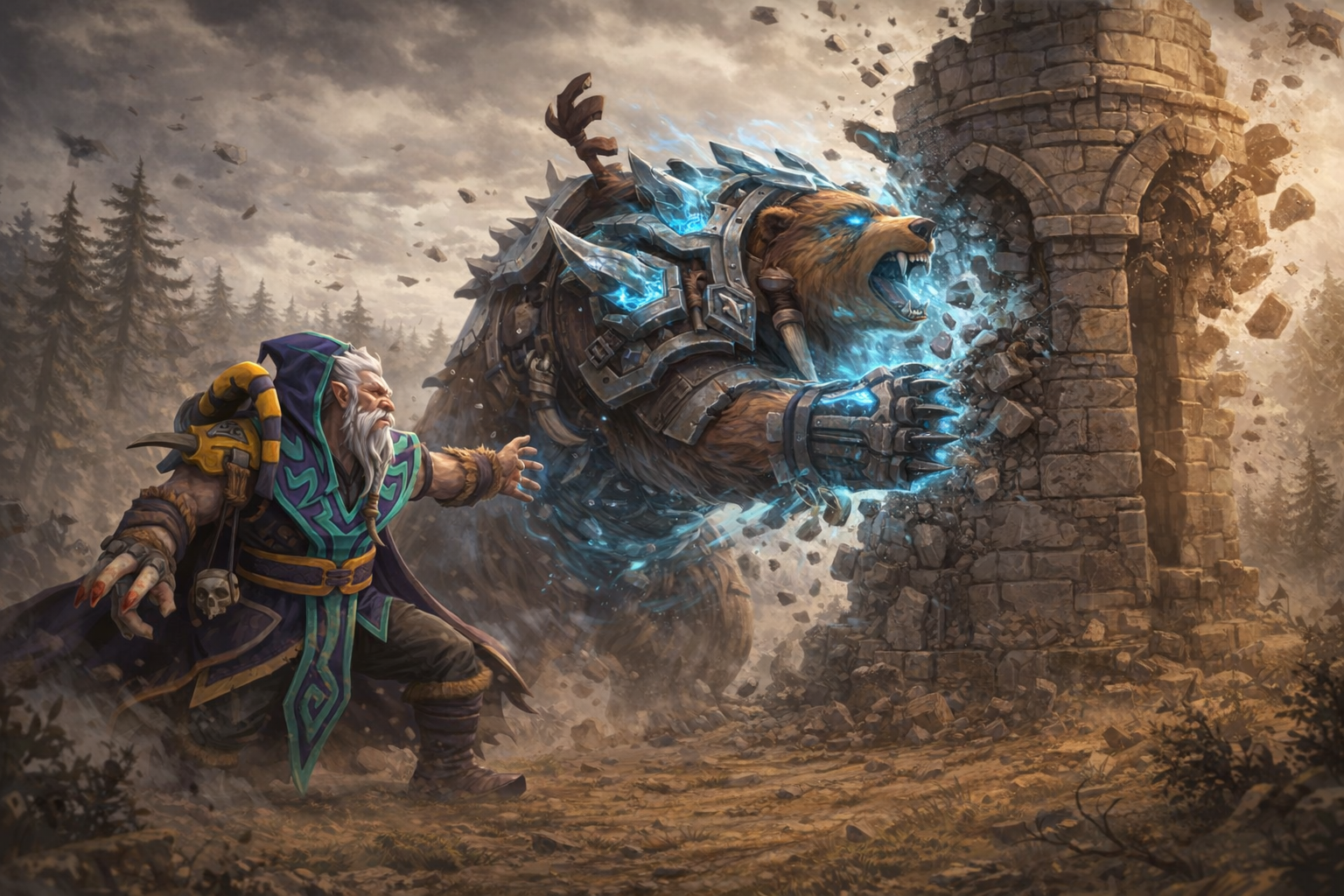
Lone Druid creates a different kind of annoyance. The hero doesn’t need chaos to thrive. He manufactures stable pressure through lane strength, objective threat, and a body-plus-bear setup that asks very specific answers from the enemy draft. If your lineup lacks the right tools, every move against him feels inefficient. If you do have the tools, using them cleanly still takes discipline.
That’s why Lone Druid often feels stronger in pubs than people want to admit. The hero rewards players who understand exactly how far they can push map pressure before opponents can really punish the split resources. He also punishes hesitation in a brutally practical way. One delayed reaction around a tower or one bad approach into his space and you donate tempo for free.
When a patch chips away at that reliability, the hero’s whole pub identity changes. He still threatens buildings. He still punishes weak lane setups. He still snowballs from advantage. What he loses is the sense that the game is being played on rails once he gets through the first stage intact.
The Elder Titan Joke Carries a Real Point
You always know a patch touched something meaningful when the immediate reaction turns into gallows humor. “Removed from the game” jokes land because some heroes rely on narrow tuning bands. Elder Titan has lived in that category for years.
The hero is one of Dota’s classic extremes. In the right game, with the right execution, he can make melee cores feel cursed and teamfights feel warped around his setup. In the wrong game, or after the wrong nerf, he can drift from specialist to burden very fast. He asks for good movement, clean spell usage, and teammates who understand the windows he creates.
That fragility matters when reading any nerf. A small hit to a hero with broad utility and forgiving play patterns often leaves it perfectly viable. A similar hit to a hero like Elder Titan can erase public confidence overnight. Once players lose the sense that a hero is worth the effort, pick rate craters first. Results follow after.
That doesn’t always mean the hero is truly dead. Sometimes it means the free games are gone and only the committed players keep finding value. For pub players, that distinction is huge. You don’t need to delete a hero from viability to remove it from your match history. You just need to make it stop being an easy recommendation.
What 7.41c Seems to Be Targeting
Less autopilot, more tradeoffs
The strongest thread running through this patch is a push against autopilot hero value. The heroes taking heat were the ones giving players too many default lines that worked in too many states of the game.
Puck and Queen of Pain could smooth over dangerous mid situations with mobility and initiative.
Alchemist could convert time into inevitability with less friction than opponents wanted.
Lone Druid could turn lane competence into structural damage with punishing consistency.
Elder Titan, if he got clipped hard enough, becomes a reminder of the other side of balancing: some heroes exist on a razor, and even deserved tuning can knock them out of casual rotation.
That collection tells you what Valve is trying to do. The patch pushes more decisions back onto players. You should have to expose yourself to gain map control. You should have to pick your greed windows carefully. You should have to work harder to turn lane pressure into a game script the enemy can’t escape.
The likely winners are the heroes with honest buttons
Whenever evasive mids and high-efficiency macro cores lose ground, the next beneficiaries are usually heroes that can take and return a direct fight. You get more room for mids that like stable trades and clearer power spikes. You get more value from supports whose rotations actually convert into kills. You get offlaners who can play the lane in front of them instead of drafting every first wave around future emergency responses.
That doesn’t mean the meta suddenly becomes slow or noble. It means more heroes have a chance to function without being built specifically to survive the old top tier. That’s a healthier place for pubs because the draft opens beyond hard counters and comfort bans.
What You Should Change in Your Own Games
Stop banning yesterday’s patch after two days
Letter patches create a weird trap. Players keep acting like the old threats are still untouched while also overreacting to the first few post-patch stomps they see. Both habits waste MMR.
If a hero you hated got nerfed, test whether the lane actually feels different before burning a ban every game. Some heroes stay annoying after nerfs because their pattern is inherently irritating. That doesn’t make them top tier. It just makes them annoying. There’s a difference.
If a greed hero got hit, don’t force desperate invasions out of habit. Look at how fast they really recover. Punish when you have catapult timing, lane priority, and support connection. Random smoke marches into triangle are how pubs donate comeback gold and then blame the patch.
Mid players should relearn damage windows
If your old comfort pool relied on slippery spellcasting and low-commitment map access, 7.41c may demand cleaner lane fundamentals. Last hits matter more when you can’t erase mistakes with movement. Rune fights matter more when your hero no longer dictates every tempo exchange by default. Support calls matter more when the kill actually depends on chaining damage instead of assuming escape tools will carry the reset.
If you play against those heroes, stop assuming they still own the lane by reputation. Test trades. Bring extra resources. Pressure cooldown windows. Force the issue when your power rune timing and support positions line up. A patch can make players vulnerable before they emotionally accept they’re vulnerable.
Offlane and support duos get more agency
This is where pub impact gets underrated. When the most abusive mids and macro cores lose some reliability, side lanes regain a little sovereignty. Your offlane duo gets to play for lane wins that matter, not just survival until the map gets hijacked. Pulls, body blocks, spell trades, and early tower pressure carry more weight because the game is less likely to be overwritten by one overtuned archetype hitting its default timing.
Support players should love that. Your first rotation can shape the map instead of merely delaying disaster. Your lane presence means more when every matchup isn’t drafted in fear of the same two mids or one economy monster.
The Meta After the Nerfs
The next phase will be messy, which is exactly what a good correction patch should produce. Some players will keep first-picking old comfort heroes and discover they’re merely fair now. Others will jump to the next annoying thing before understanding why it works. A handful of heroes will quietly gain win rate because the predators keeping them down just lost teeth.
That’s the sweet spot. You want a patch where game flow has to be rediscovered in actual matches, where lane edges matter again, and where draft screens stop feeling pre-solved by the same repeat offenders. 7.41c looks built for that kind of reset.
Dota gets better when strong heroes still have to respect the game in front of them. This patch leans in that direction. Good. You’ve had enough matches decided by who abused the least interactive nonsense more efficiently.